7-Day Botswana Itinerary
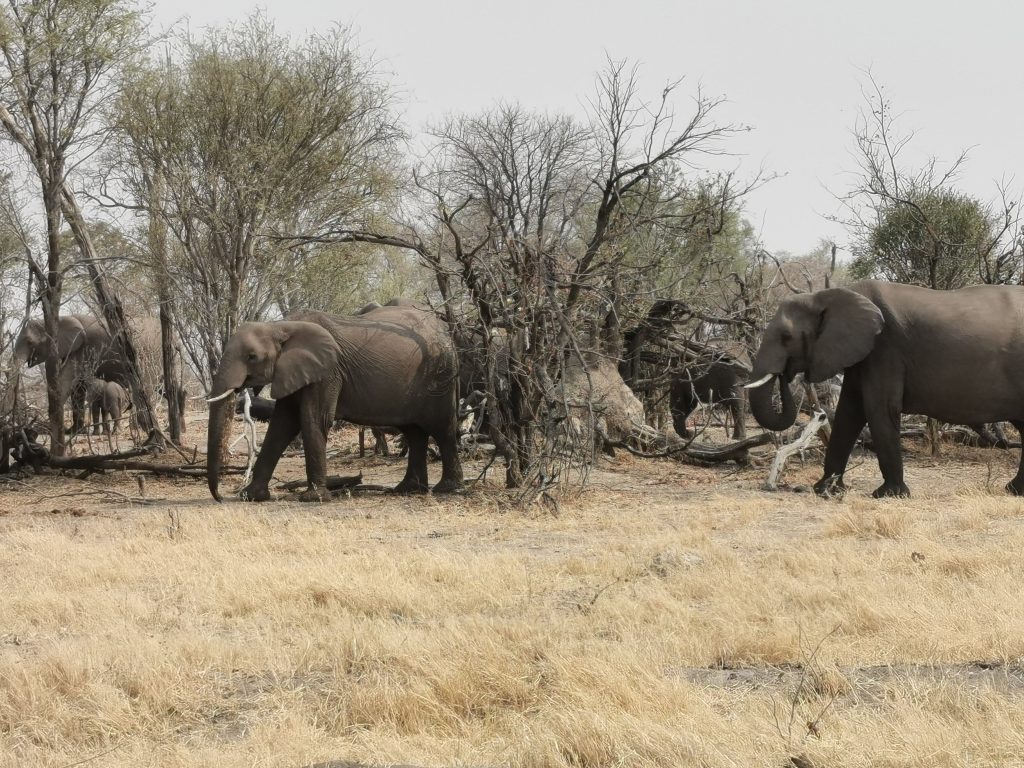
Seven days is the length most Botswana safaris are built around, giving three nights each in two regions with a single flight between them, or three regions at two nights each for travellers who would rather cover ground. The classic route pairs the Chobe riverfront with a private concession in the Okavango Delta. Botswana is a southern African safari country where three nights per camp is the point at which a guide starts finding what you actually came for.
Why Seven Days Works So Well in Botswana
Three nights is the number that changes a safari, and seven days is the shortest trip that delivers it twice.
On a two-night stay, the arrival afternoon and departure morning are partly consumed by transfers, leaving one full day. On a three-night stay you get two complete days plus two partial ones, which is enough for a guide to learn what you want and enough for the bush to surprise you.
Seven days means six nights. Three plus three across two regions, with one internal flight, is the standard shape and the one most operators sell.
The alternative is two plus two plus two across three regions, which adds the desert or a third northern area at the cost of two flights and less depth anywhere.
Both are defensible. The first suits a first visit, the second suits someone who wants contrast above continuity.
The Classic Seven-Day Fly-in Route
Arrive into Kasane, spend three nights on the Chobe riverfront, fly to a private concession in the Okavango Delta for three nights, and depart from Maun.
The order matters. Kasane requires no charter flight from the airport, so your arrival afternoon becomes an activity rather than a wait. Ending at Maun avoids doubling back, and Airlink permits multi-leg bookings so the whole thing can sit on one ticket.
The contrast is the point. Chobe is a river with the highest elephant density in Africa and boat safaris that put you at eye level with drinking herds. The Delta is channels, islands, mokoro and the country’s best predator odds. Neither substitutes for the other.
Choosing a private concession rather than a camp inside Moremi is worth the difference on a seven-day trip. Concessions permit off-road driving, night drives and guided walking, all of which are prohibited inside the national parks, and vehicle numbers at a sighting are capped by agreement.
On a seven-day trip, spending the Delta leg in a private concession rather than inside the park buys you off-road tracking, night drives and walking. That is three activity types the parks cannot legally offer.
Three Nights on the Chobe Riverfront
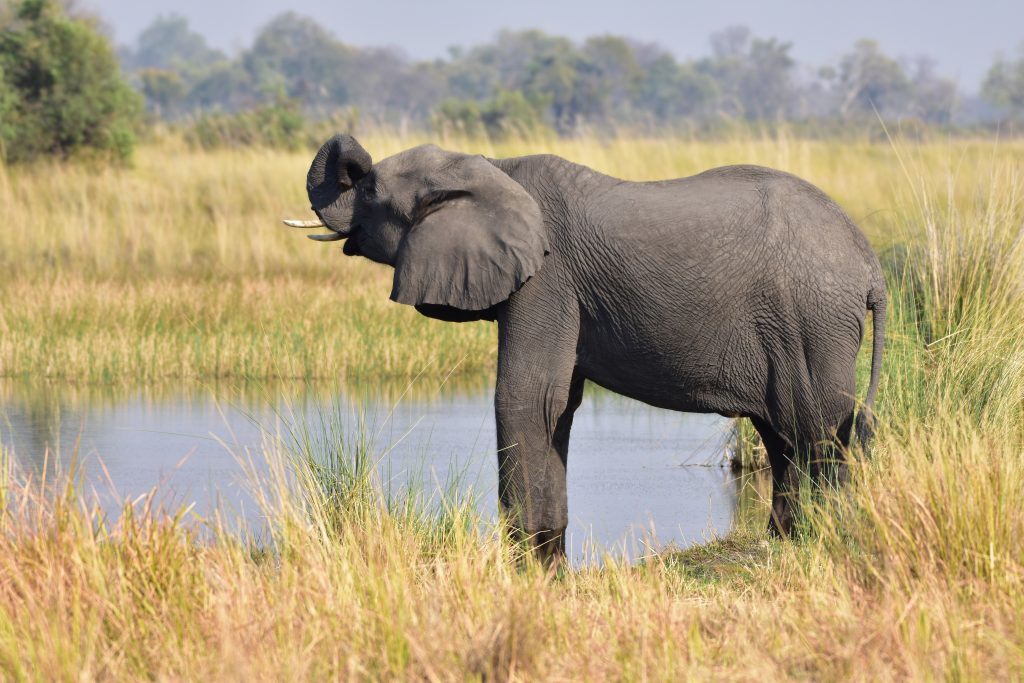
Land at Kasane, transfer by road to your lodge, and take the afternoon boat safari on arrival day. It needs no early start and delivers immediately.
The two full days that follow allow a proper mix. Morning game drives along the riverfront and into the woodland behind, where sable and roan hold. Afternoon boat safaris among elephant crossing to the islands, hippo pods and crocodiles on the sandbanks. Buffalo arrive in the hundreds during the dry months and lion follow them.
Three nights here is enough to see the river in different light and different conditions, which matters more than covering new ground.
If Victoria Falls appeals, a day trip fits without disrupting anything, at around 80 kilometres by road or twenty minutes by light aircraft.
Three Nights in the Okavango Delta

Fly from Kasane to a Delta airstrip, a leg of roughly an hour to an hour and a half depending on routing.
Ask before booking whether the camp sits on permanent inner Delta water or seasonal water at the eastern edge. Permanent water camps run mokoro and boat activities year round. Seasonal ones switch to game drives when channels drop, which disappoints people who booked for the dugout canoe.
Three nights allows the full rotation: a mokoro morning, a game drive, a guided walk on an island and a night drive if you are on a concession. That variety is what the Delta does better than anywhere.
Predator viewing here is the strongest in the country, with lion prides, leopard along the treelines and wild dog packs that Botswana holds in better numbers than most of the continent.
Nothing is promised on any drive, and any guide who promises is selling rather than guiding.
The Three-Region Version of a Seven-Day Safari
For travellers who would rather see more of the country than more of one part, two nights each across three areas works.
One common shape runs Maun to Moremi or Khwai, then to Savuti or Linyanti, then finishing on the Chobe riverfront at Kasane. That gives floodplain, predator country and river in one trip, all in the north. The classic packaged version of this week is the 7 day Okavango, Moremi and Chobe safari.
The other version substitutes the desert for one northern leg, adding Nxai Pan or the Central Kalahari for a habitat that looks nothing like the Delta.
The cost is two internal flights rather than one, which consumes roughly a full day across the trip, and two nights per camp means one complete day in each. You will see more and know less.
Photographers usually prefer the two-region version. First-timers wanting variety often prefer this one.
Two regions, three nights each. Chobe and a Delta concession, one flight. Maximum depth, a guide who learns your interests, full activity rotation. The standard and the best first-visit shape.
Three regions, two nights each. Moremi or Khwai, Savuti or Linyanti, then Chobe. Or substitute the Kalahari for one leg. Two flights, more contrast, less depth in any single place.
Mobile camping overland. Maun through Moremi, Khwai, Savuti and on to Chobe by 4×4 with a crew moving camp. One guide for the week, no luggage limit, far lower cost, longer travel days.
Seven Days on a Mobile Camping Safari
The overland route is where seven days genuinely shines, because a week is long enough for the continuity to pay off.
A typical route runs from Maun into Moremi, through the Khwai community area, on to Savuti and finishing at Chobe near Kasane. The crew travels ahead, pitching and striking camp while you are out on a drive.
Khwai is the addition worth noting. Sitting outside the national park boundary, it permits night drives, which Moremi and Chobe prohibit, opening up aardvark, porcupine, civet, genet and hunting cats.
You get one guide for the full week, which after three days means somebody who reads your interests without asking. You also see the country between the parks rather than flying over it.
Fully serviced operators run walk-in Meru tents with proper beds and en-suite bush bathrooms. Participation trips, where you pitch your own dome tent, cost less again.
Seven Days Self-Driving Botswana
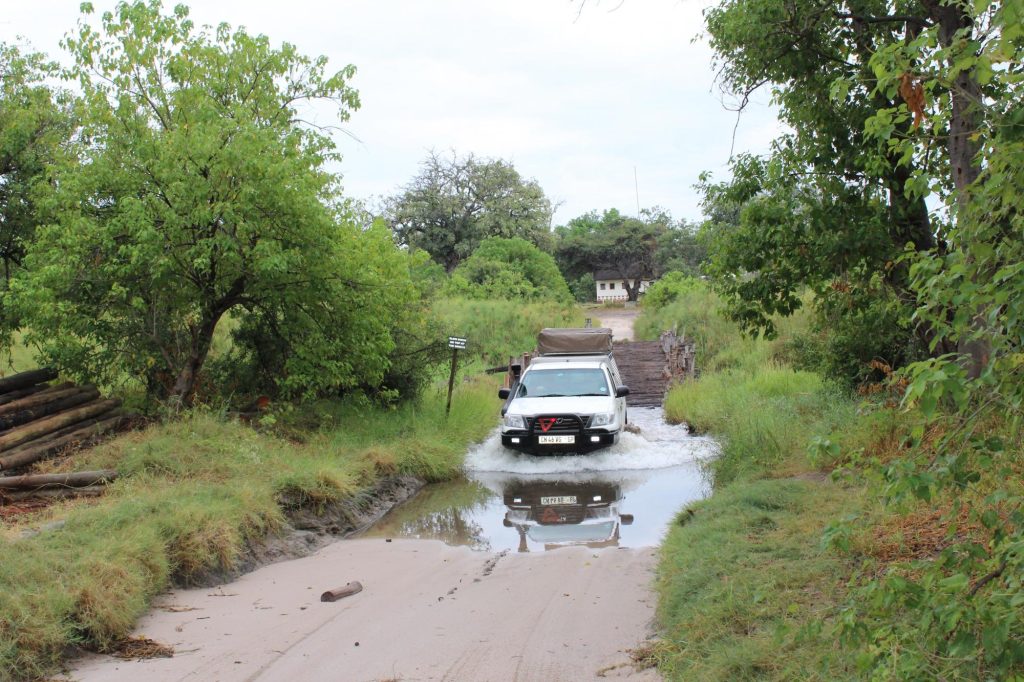
Possible, demanding, and only for people with real deep sand experience.
A week allows a Maun circuit through Moremi, Khwai and Savuti, or a northern run finishing at Chobe. Average driving time on such a route runs under two hours a day excluding game drives, which sounds modest until you are doing it in sand.
Campsites must be booked well ahead through a patchwork of private operators, park fees are settled separately with the Department, and entry has been refused at gates for paperwork errors.
Fuel is not sold inside the parks and there is none on the bush routes between Maun and Kasane. Recovery help can be hours away.
Handing the campsite bookings, permits and vehicle to a Maun-based operator is worth the small premium on a first self-drive.
Seven days is long enough that camp choice starts to matter more than region choice. Two well-chosen camps in one concession will out-perform four mediocre ones spread across the country.
Best Time for a Seven-Day Botswana Safari
July through September is the peak window for this route and the reason is straightforward. The Okavango flood peaks around July, so water activities are at their best, while Chobe’s elephant concentrations build as surface water elsewhere disappears.
September and October deliver the sharpest predator viewing of the year, with October also the hottest month at a Maun average maximum near 37°C.
May and June are quieter and cheaper, with rising flood and mild conditions, though mornings in June drop to around 6°C to 7°C on an open vehicle.
Green season from November to April cuts rates by up to 40 percent and moves the best game viewing south to the Kalahari and the pans, which changes which three-region version makes sense.
Frequently Asked Questions About a 7-Day Botswana Itinerary
How much does a 7-day Botswana safari cost?
Mid-range lodges run roughly 600 to 1,100 US dollars per person per night all-inclusive, putting six nights around 3,600 to 6,600 before international flights. Luxury private concession camps start near 1,500 per night and reach beyond 4,000. Mobile camping safaris sit at 350 to 550 per person per day. Internal charter legs add roughly 250 to 500 per person per leg where not bundled, plus park entry at 120 Pula per person per day and a 30 dollar arrival levy.
Is 7 days enough for a Botswana safari?
It is the length most Botswana itineraries are built around, and for good reason. Seven days gives six nights, which supports three nights each in two regions with one internal flight, or two nights each across three regions with two flights. Three nights per camp is the point at which arrival and departure transfers stop dominating and a guide has time to learn what you want to see. Most first-time visitors find it the right balance.
What is the best 7-day Botswana route?
Three nights on the Chobe riverfront from Kasane, then a light aircraft to a private concession in the Okavango Delta for three nights, departing from Maun. Starting at Chobe means no charter is needed on arrival day, and finishing at Maun avoids doubling back. The two regions offer genuinely different safaris: river and elephants at Chobe, channels, mokoro and predators in the Delta.
Should I visit two regions or three in seven days?
Two, for a first visit. Three nights per camp gives you two complete days in each place and a guide who knows your interests by the second drive, whereas two nights gives one full day and a lot of transfers. Three regions suits travellers who value contrast over continuity, particularly if one leg is the Kalahari or the pans, which look nothing like the Delta. Photographers usually prefer the two-region version.
Can I self-drive a 7-day Botswana itinerary?
Yes, if you have genuine deep sand driving experience. A week allows a Maun circuit through Moremi, Khwai and Savuti, with average driving under two hours daily excluding game drives. The obstacles are administrative rather than mechanical: campsites must be booked ahead through a patchwork of private operators, park fees settled separately with the Department, and entry has been refused for paperwork errors. Fuel is not sold inside parks.
Is a mobile camping safari good for seven days?
It suits seven days particularly well, because a week is long enough for the continuity of one guide to pay off properly. A typical route runs Maun, Moremi, Khwai, Savuti and Chobe with a crew moving camp ahead of you. Khwai permits night drives that the national parks prohibit. Costs run 350 to 550 per person per day against 600 or more for lodges, and you see the country between the parks rather than flying over it.
Booking Your Botswana Trip
The safari companies and tour operators listed on this website put trips like this together for a living and know which camps, guides and routes actually deliver. We are an independent guide to Botswana; we do not book or sell tours ourselves.
When you are ready, arrange your safari, tour or holiday with one of the recognised operators listed here. Tell them your dates and what matters most, and a real person, not a form, will handle the itinerary, park bookings and logistics for you.