Botswana Park Fees and Opening Hours
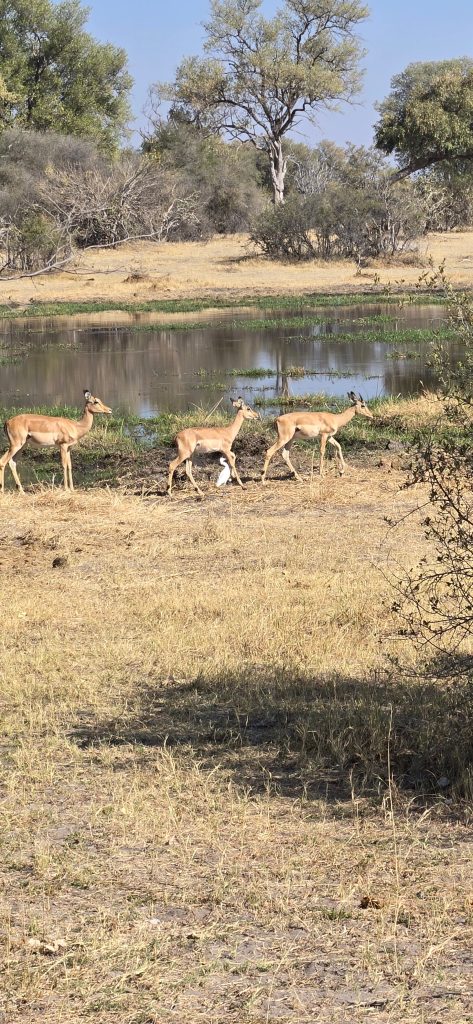
Botswana park fees are set by the Department of Wildlife and National Parks and were increased substantially in reports from early in the current year, with major parks such as Chobe and Moremi now cited at 270 Pula per adult per day for international visitors and desert parks at higher rates again. Fees are charged per day rather than per night, including your departure day. Confirm current figures with the Department before travelling.
Confirm the Current Rates
This page opens with a warning rather than a table, and the reason matters.
Botswana park fees change, and they have changed recently. Reports indicate a substantial increase effective from the start of the current financial year, and published figures across guidebooks, operator websites and travel forums now disagree with each other considerably.
Older sources widely cite 120 Pula per person per day for non-residents at the major parks. More recent reporting gives 270 Pula per adult per day at Chobe and Moremi, and around 500 Pula per adult per day at Makgadikgadi, Nxai Pan and the Central Kalahari.
Operators themselves note that fee increases are beyond their control and are excluded from bookings, whether provisional or confirmed, which tells you how routinely this happens.
Treat every figure on this page as indicative. Confirm with the Department of Wildlife and National Parks or with your operator before you travel, and budget for more than you are quoted.
Operators exclude park fee increases from confirmed bookings as a matter of course. If the people selling the trip will not fix the price, no website should pretend to.
How the Fee Structure Works
The principles are stable even when the numbers are not.
Botswana operates a tiered system based on residency and nationality, with citizens paying least, residents more and international visitors most.
Fees are charged per person per day, and a change of policy means you now pay for the departure day alongside the arrival day. Each day’s entry counts as a full day regardless of whether you are in the park for an hour or twelve.
Children under eight enter free, and children aged eight to seventeen receive a fifty percent discount.
Vehicle fees are charged separately and vary by size and registration, running from around 115 Pula for a small foreign-registered vehicle to well over 1,500 Pula per day for large ones. The burden of proving which category a vehicle falls into rests with the owner, and without proof the more expensive rate applies.
Camping fees are separate again, and are set by whoever operates the campsite rather than by the Department. A bed levy of a small amount per person per night applies at some sites, and tax may be excluded from quoted rates, so the figure you are shown is not always the figure you pay.
Where and How to Pay
The mechanics catch people out more than the cost does.
Standard park entry can be paid at the gate on arrival. Entering Chobe from Kasane means paying at Sedudu Gate; entering from Maun means paying at the Department of Wildlife offices on the main road in town before you set off.
Card machines exist at some payment points and are widely described as unreliable and frequently non-functional. Carry cash.
Some gates accept Pula, South African rand, US dollars and pounds sterling in notes only, with no coins, though other guidance states that payment at gates must be in Pula cash. Assume Pula and carry it.
ATMs in Kasane dispense Pula on international cards, and Maun, Francistown and Gaborone all have banks.
Fees are non-refundable.
Campsite Bookings
This is the part that most often derails a self-drive trip and it is a separate process entirely.
Most public campsites inside Botswana’s parks have been run by private concessionaires since 2009, each with its own booking system and rates, and only a few remain with the Department.
That means booking a campsite and paying park fees are two distinct transactions with two different parties. Book the campsite first, then handle park fees.
Advance booking is required and no entry is permitted without a valid campsite reservation. Wilderness campsites, observation hides and fly camps all need booking through the Department in advance rather than at a gate.
Sites in the popular parks book out months ahead for the dry season, with Third Bridge and Xakanaxa in Moremi going first.
Double bookings have been reported, so carry printed confirmations for everything. Entry has been refused at gates for paperwork errors.
Park entry. Paid to the Department per person per day including departure day, at the gate or at Department offices in town. Cash, ideally Pula. Non-refundable. Children under eight free.
Vehicle fees. Charged separately by size and registration, from around 115 Pula for a small foreign vehicle upward. Proof of category rests with the owner, and without it the higher rate applies.
Camping. Booked and paid separately with whichever private operator runs the site, months ahead for dry season. No park entry without a valid reservation. Carry printed confirmations.
Gate Hours and Park Rules
The operational rules are consistent across the parks and enforced.
Gates open and close at set hours, broadly around sunrise and sunset, and all vehicles must be off the roads and at camp or outside the park by closing. That is what makes night drives impossible inside national parks.
Campers must exit the park by eleven in the morning on their departure day.
The speed limit is 40 kilometres per hour throughout.
Off-road driving is prohibited, and vehicles must stay on designated tracks whatever the sighting.
Only designated campsites may be used, and wild camping is not permitted anywhere.
Maximum three vehicles per campsite at most sites, with strict noise control expected.
The Department enforces these strictly, with substantial fines and expulsion from the park both possible.
A few areas sit outside this framework entirely. The Khwai community area, the private concessions in the Delta, Linyanti, Selinda and Kwando, and the forest reserves around Kasane are not national parks, so Department gate hours and rules do not apply and night drives, off-road driving and walking are all permitted. That is the single most consequential difference in Botswana safari planning and it turns on which side of a boundary a camp sits.
Booking Through an Operator
Worth considering, and the discount is the smaller reason.
Clients of a licensed Botswana tour operator have historically paid a reduced park entry rate, which is one reason guided trips cost less than the sum of their parts.
The larger argument is administrative. Assembling a self-drive itinerary means booking campsites across multiple private operators in a workable order, then handling park fees separately, and getting the sequence wrong can mean being turned away at a gate. We check these figures against published schedules, and you can read more about how this guide is researched.
A good operator arranges the whole thing in a couple of days, including activities such as Delta flights, mokoro trips and Chobe boat cruises, alongside accommodation.
Where park fees are included in a package, confirm that in writing, since operators routinely exclude fee increases from confirmed bookings.
For a first Botswana self-drive, the operator fee is usually money well spent.
Fly-in guests rarely need to think about any of this, since park and concession fees are almost always folded into the nightly rate at camps, alongside conservation levies. It is worth confirming that at booking rather than assuming, since the phrase all-inclusive is used loosely across the market, but for most fly-in itineraries the gate is somebody else’s problem.
Budget above whatever figure you are quoted. Park fees in Botswana have risen sharply and operators exclude increases from confirmed bookings, so a trip priced today may cost more at the gate. Carrying a reserve in Pula cash removes the problem entirely.
Frequently Asked Questions About Botswana Park Fees
How much are Botswana park fees?
Figures differ across sources following a reported increase. Older guidance widely cites 120 Pula per person per day for non-residents, while more recent reporting gives 270 Pula per adult per day at major parks including Chobe and Moremi, and around 500 Pula at Makgadikgadi, Nxai Pan and the Central Kalahari. Children under eight are free and those aged eight to seventeen pay half. Confirm current rates with the Department before travelling.
Are park fees charged per night or per day?
Per day, and the policy changed so that you now pay for your departure day alongside your arrival day. Each day’s entry counts as a full day regardless of whether you are in the park for an hour or twelve hours. Fees are non-refundable. Vehicle fees are charged separately by size and registration, and camping fees are separate again and set by whoever operates the campsite.
Can you pay park fees by card?
Sometimes, and do not rely on it. Card machines exist at some payment points and are widely described as unreliable and frequently non-functional. Carry cash. Some gates accept Pula, rand, US dollars and sterling in notes only with no coins, while other guidance states payment must be in Pula cash, so assume Pula. ATMs in Kasane dispense Pula on international cards, and Maun, Francistown and Gaborone have banks.
Do you need to book campsites in advance?
Yes, and no entry is permitted without a valid campsite reservation. Most public campsites have been run by private concessionaires since 2009, each with its own booking system, which means booking a campsite and paying park fees are two separate transactions with two different parties. Sites book out months ahead for the dry season, with Third Bridge and Xakanaxa going first, and double bookings have been reported.
What are the gate hours in Botswana’s parks?
Broadly sunrise to sunset, with all vehicles required to be off the roads and at camp or outside the park by closing, which is why night drives are impossible inside national parks. Campers must exit by eleven in the morning on their departure day. The speed limit is 40 kilometres per hour, off-road driving is prohibited, and only designated campsites may be used, with wild camping not permitted anywhere.
Is it cheaper to book through a tour operator?
Clients of licensed Botswana operators have historically paid a reduced park entry rate, so guided trips can cost less than the sum of their parts. The larger argument is administrative: assembling a self-drive itinerary means booking campsites across multiple private operators in a workable order and handling park fees separately, and getting the sequence wrong can mean being turned away at a gate. Confirm in writing whether fees are included.
Booking Your Botswana Trip
The safari companies and tour operators listed on this website put trips like this together for a living and know which camps, guides and routes actually deliver. We are an independent guide to Botswana; we do not book or sell tours ourselves.
When you are ready, arrange your safari, tour or holiday with one of the recognised operators listed here. Tell them your dates and what matters most, and a real person, not a form, will handle the itinerary, park bookings and logistics for you.