Maun
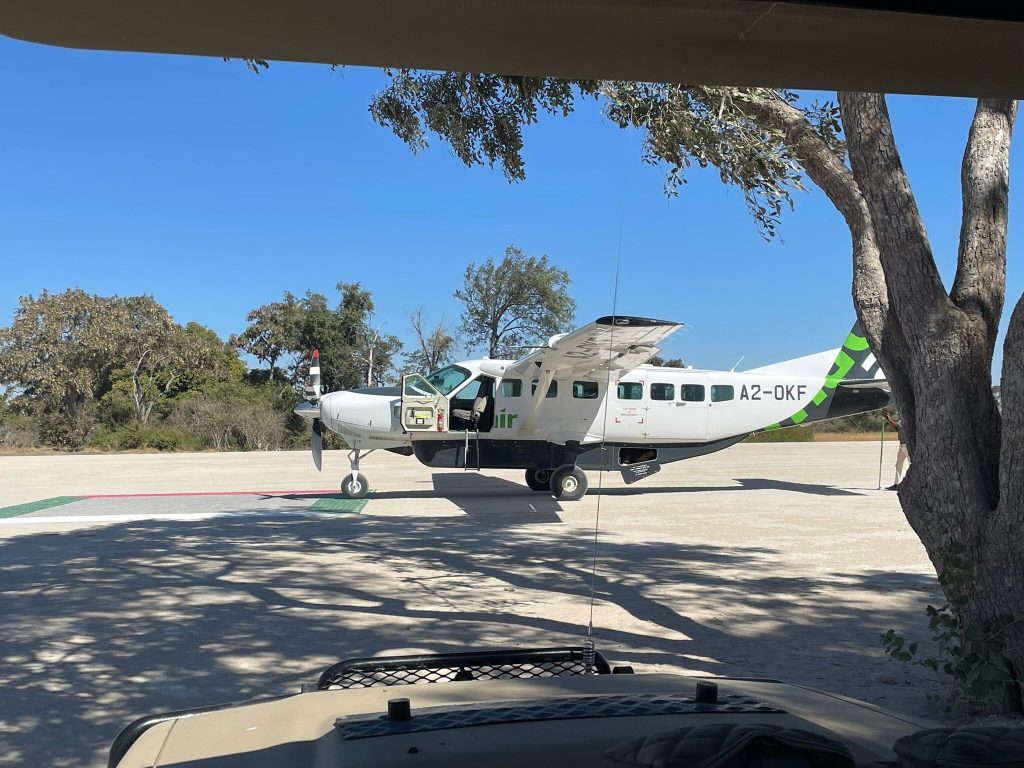
Maun is Botswana’s tourism capital and the gateway to the Okavango Delta, a dusty, spread-out town on the Thamalakane River where almost every safari to the Delta, Moremi and the Kalahari begins. Its airport ranks among the busiest in southern Africa by aircraft movements, almost entirely because of the light aircraft ferrying guests to bush camps. Maun was founded as the tribal capital of the Batawana people and still functions as their seat.
What Maun Is Like
Set expectations honestly, because Maun surprises people who arrive expecting a resort town.
It is a frontier town, and it looks like one. Traditional thatched buildings sit beside modern shopping centres, garages, banks and bars. Donkeys wander the roads in numbers that visitors always comment on, with goats not far behind. The air is dry and dusty for most of the year.
Maun is what geographers call a dispersed settlement, meaning it has no real urban core. The town spreads broadly along the banks of the Thamalakane River, with the airport, the old hotel and the offices of tour operators and charter companies forming the closest thing to a centre.
The country immediately around it is Kalahari rather than Delta. The wetter, greener parts of the Okavango only begin a few kilometres north.
What you get is a crossroads between wilderness and ordinary life, with bush pilots, safari guides, cattle farmers, backpackers and residents sharing the same handful of bars.
A great many visitors never leave the airport, walking straight from a scheduled flight onto a charter and out to camp. Maun is a place most people pass through rather than visit, which is a shame and also entirely understandable.
The History of Maun
The town is younger than most visitors assume and its origins explain its character.
The Batawana are an offshoot of the Bangwato of Serowe. Following a chieftainship dispute in the late eighteenth century, Kgosi Tawana and his followers left Serowe and settled in Ngamiland.
Maun itself was founded in 1915 as the new Batawana capital, a decision taken by Chief Mathiba I. From the start it functioned as a supply base for cattle farmers and hunters across the surrounding country.
It had a long reputation as a hard-living frontier town, and older residents will tell you about it.
Two developments changed everything. Moremi Game Reserve was proclaimed by the community rather than by colonial authorities, shifting the regional economy from hunting toward conservation tourism. Then the tar road from Nata was completed in the early nineteen nineties, ending the isolation, cutting freight costs and opening the town to self-drive travellers.
Population figures vary widely, from around 30,000 to over 55,000 depending on the source and the boundary used.
Maun Airport and the Charter Network

The airport is the reason Maun exists in its current form.
Maun International sits within a few kilometres of the town centre and receives direct scheduled flights from Johannesburg and Gaborone, with Airlink and Air Botswana operating the main services.
What makes it unusual is the light aircraft traffic. By number of arrivals and departures per hour it ranks among the busiest airports in southern Africa, and the apron in peak season is a queue of Cessna Caravans loading soft duffel bags.
From here charters run out to camps across the Okavango Delta, Moremi, the Linyanti concessions, Chobe, the Central Kalahari and the pans. Flight times to Delta camps run fifteen to forty-five minutes.
Scenic flights over the Delta also depart from Maun and are worth doing in their own right, giving you the channels, islands and herds from a few hundred feet.
One scheduling point that costs people a night at camp: most international arrivals land around midday and shared charters run to a fixed afternoon cutoff, so a late arrival means overnighting in town.
Things to Do in Maun

More than the town’s reputation suggests, particularly if flight schedules have left you a spare afternoon.
The Nhabe Museum occupies a colonial building that served as a surveillance post during the Second World War, and covers the regional history, art and culture of Ngamiland, with material on the Delta ecosystem, traditional crafts and photography. It is small and worth an hour.
The Maun Educational Park, sometimes called the Environmental Education Centre, sits along the river and holds lechwe, wildebeest, giraffe and warthog. It is a gentle introduction rather than a safari.
Boat trips and mokoro excursions run on the Thamalakane from town, giving a taste of the Delta without a flight.
Basket buying is the other reason to linger. Botswana’s finest basketry comes from Wayeyi and Mbukushu women in the northwest, woven tightly enough that some were historically used to hold beer. The Shorobe basket cooperative north of Maun is among the best places to buy, and some operators run weaving classes.
Horse riding, quad biking and scenic flights are all bookable from town.
A spare morning. Nhabe Museum for regional history and craft, then coffee at one of the cafés along the main road. The Maun Educational Park if you want something outdoors.
A spare afternoon. A scenic flight over the Delta, or a boat trip on the Thamalakane. Both give you the Okavango without committing to a camp.
A full day. Drive north to Shorobe for baskets bought directly from the cooperative, or take a day trip toward the Delta’s eastern fringe.
Eating and Staying in Maun
Maun has the widest choice of anywhere in Botswana outside Gaborone, with one oddity: it is genuinely hard to find a Setswana restaurant here.
Most places serve international or Western food, catering to expats, pilots and tourists. The Dusty Donkey is the social hub as much as a café, known for good coffee and cake. Il Pomodoro is Italian-owned and widely rated for pizza. Marc’s Eatery has a strong local following, and Hilary’s is the vegetarian option.
The Bull and Bush is the expat pub. The Buck and Hunter near the airport is among the country’s oldest watering holes and popular with flight crews, which makes it a good place to hear how the day went.
For local cooking, look for the fried chicken places and the roadside takeaways rather than the restaurants, or ask at your lodge.
Accommodation runs from riverside lodges along the Thamalakane to guesthouses and campsites, with rates geared to safari travellers passing through.
Restaurants close earlier than visitors expect and several shut on Mondays.
Practicalities in Maun
Maun is where you sort everything out before heading into the bush, and it is the last place to do so.
Banks and ATMs operate here, including one across the road from the airport. Withdraw Pula before flying out, since there are no machines in the Delta or the Kalahari.
Supermarkets are adequate for provisioning a two-week self-drive trip, and there is no shopping of any kind inside the parks.
SIM card kiosks operate at the airport and in town, though hours are limited and a Sunday arrival can find them shut.
4×4 rental companies are concentrated here, and Maun is the main hub for self-drive hire in the country.
Luggage storage is available at the airport for anything exceeding the roughly 20kg charter limit.
Seasonally, Maun is worth thinking about too. The town sits at the dry southeastern edge of the Delta and gets hot, with October averaging a daily maximum near 37°C and readings above 40°C in some years. June and July mornings drop to around 6°C or 7°C. Roads within the town flood during the heaviest rains, which can make getting around harder in January and February and is one more reason a 4×4 is the sensible rental here whatever your onward plans.
Build a night in Maun into the start of a trip rather than the end. It absorbs a delayed international connection without costing you a camp night, and it gives you a chance to buy anything you forgot before the shops disappear entirely.
Frequently Asked Questions About Maun
Is Maun worth visiting?
As a destination in itself, modestly. As a base and a gateway, entirely. It is a dusty, spread-out frontier town rather than a scenic one, though it holds the Nhabe Museum, boat trips on the Thamalakane, scenic flights over the Delta and some of the best basketry in southern Africa nearby at Shorobe. Most visitors spend a night here at either end of a safari, and that is usually the right amount of time.
How big is Maun?
Population estimates range widely, from around 30,000 to over 55,000 depending on the source and where the boundary is drawn, which reflects the fact that Maun is a dispersed settlement without a real urban core. It spreads broadly along the Thamalakane River rather than clustering around a centre. It is commonly described as Botswana’s third largest urban settlement and the administrative centre of Ngamiland.
Why is Maun airport so busy?
Because of light aircraft rather than scheduled flights. By number of arrivals and departures per hour, Maun ranks among the busiest airports in southern Africa, almost entirely due to charter traffic ferrying guests to bush camps across the Okavango Delta, Moremi, Linyanti, Chobe and the Kalahari. Scheduled services from Johannesburg and Gaborone are comparatively few. Flight times to Delta camps run fifteen to forty-five minutes.
What is there to do in Maun?
The Nhabe Museum covers Ngamiland history, art and culture in a colonial building that served as a wartime surveillance post. The Maun Educational Park along the river holds lechwe, wildebeest, giraffe and warthog. Boat trips and mokoro excursions run on the Thamalakane. Scenic flights over the Delta depart from the airport. The Shorobe basket cooperative north of town sells some of the finest basketry in southern Africa.
When was Maun founded?
In 1915, as the new capital of the Batawana people, a decision taken by Chief Mathiba I. The Batawana are an offshoot of the Bangwato of Serowe who left following a chieftainship dispute in the late eighteenth century and settled in Ngamiland. Maun functioned as a supply base for cattle farmers and hunters for decades before tourism transformed it, helped by the tar road from Nata completed in the early nineteen nineties.
Where should I stay in Maun?
Riverside lodges along the Thamalakane are the pleasant option, with guesthouses and campsites also available and rates geared to safari travellers. If you have an early charter, staying near the airport saves time. Build a night in Maun into the start of a trip rather than the end, since it absorbs a delayed international connection without costing you a camp night and gives you time to buy anything forgotten.
Booking Your Botswana Trip
The safari companies and tour operators listed on this website put trips like this together for a living and know which camps, guides and routes actually deliver. We are an independent guide to Botswana; we do not book or sell tours ourselves.
When you are ready, arrange your safari, tour or holiday with one of the recognised operators listed here. Tell them your dates and what matters most, and a real person, not a form, will handle the itinerary, park bookings and logistics for you.