Central Kalahari Game Reserve
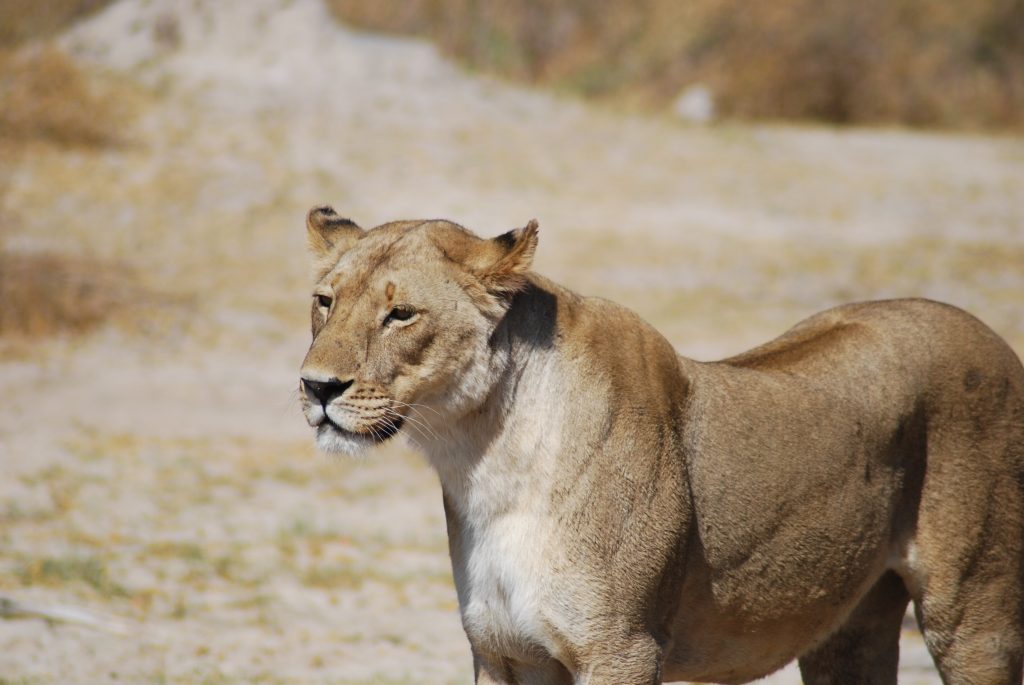
The Central Kalahari Game Reserve covers 52,800 square kilometres of Botswana’s Ghanzi District, making it the second largest wildlife reserve in the world and roughly a tenth of the country. It was created to protect the hunter-gatherer way of life of the San alongside the wildlife they depended on, and its fossil river valleys hold black-maned Kalahari lions, gemsbok and brown hyena. The reserve is larger than the Netherlands and among the emptiest places a visitor can reach.
The Scale and Setting of the Central Kalahari
Nothing quite prepares a first-time visitor for the size of it, and the size is the point.
At 52,800 square kilometres the reserve occupies over 40 percent of the Ghanzi District and close to a tenth of Botswana’s total land area. It is bigger than the Netherlands and comparable to Belgium and the Netherlands combined.
Even so, very few people visit in any given year, which produces the sensation the reserve is best known for: the impression of having the whole place to yourself.
The ground is mostly flat and gently undulating, with waist-high golden grasses running to the horizon, punctuated by dwarfed trees and scrub. Silver terminalia sandveld, Kalahari sand acacia and Kalahari apple leaf dominate, interspersed with vegetated dunes, wide white pans and shallow fossil valleys.
At night the stars dominate completely, which is a cliché everywhere else and simply accurate here.
This is not a sand-dune desert. The Kalahari is semi-arid sandveld with thorn trees, grass and vegetated dunes, and it supports far more wildlife than the word desert leads people to expect.
Deception Valley and the Fossil River Valleys

Four fossilised river systems wander through the reserve, and they are where the game concentrates.
Deception Valley is the best known, an ancient dried riverbed running around 80 kilometres, which began forming roughly sixteen thousand years ago. Its name comes from an optical illusion that makes the dry channel look as though it holds water. After good rain it greens up and fills with springbok, gemsbok and hartebeest grazing the old riverbed, which is exactly the scene it has produced for decades.
Passarge Valley lies to the northwest, smaller than Deception and named after a Swedish botanist. It was closed to the public for many years and remains far less visited, with good concentrations when the rains have come.
Piper Pan sits further south and is remote enough that reaching it is a serious undertaking, with self-drivers reporting eight hours of sandy, badly corrugated track from the main road near Rakops.
Deception Valley is also where Mark and Delia Owens conducted seven years of research on brown hyena and Kalahari lions, published as Cry of the Kalahari, which remains the best introduction to this country in print.
The San and the History of the Reserve
The reserve’s origins and its recent history are both unusual, and it is worth setting out plainly.
A survey of the central Kalahari in the late nineteen fifties recommended protecting both the Basarwa people, also known as San or Bushmen, and the game they depended on. The reserve was established on that basis at the start of the nineteen sixties, intended as much as a home for around five thousand San as a wildlife area. They had lived there for thousands of years as nomadic hunter-gatherers.
From the mid nineteen nineties the government began relocating San communities out of the reserve into resettlement camps, citing the cost of servicing remote populations and the aim of providing the same education and development opportunities available elsewhere. Critics argued the relocations were connected to diamond deposits within the reserve.
A Botswana court ruled the evictions unlawful and affirmed the right to return, though access to traditional lands has remained restricted in practice, and only a small number of people live permanently inside the reserve today.
Several lodges employ San guides, and walking with them is the most direct way a visitor meets that knowledge.
Wildlife in the Central Kalahari Game Reserve
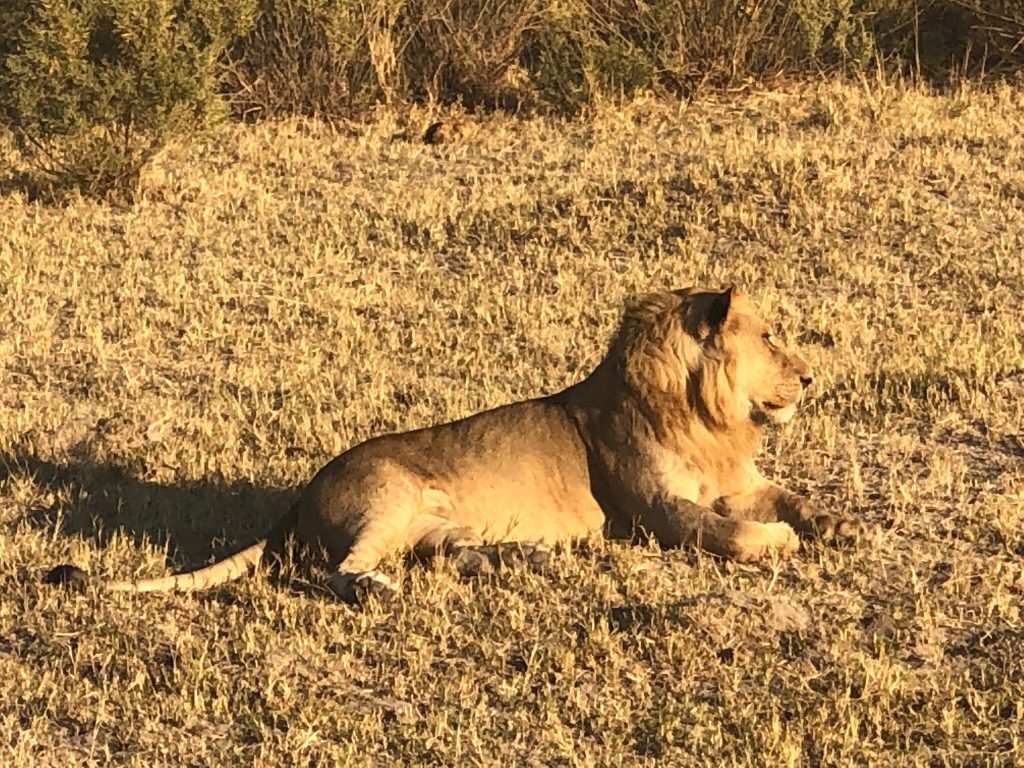
Game is thinner here than in the northern parks and correspondingly harder won, which shapes what a good day looks like.
Black-maned Kalahari lions are the species most people come for, and they range widely across the open country. Cheetah do well in this terrain, and brown hyena, which are genuinely difficult to see elsewhere, are resident.
Gemsbok are the emblematic antelope, superbly adapted to going without surface water, alongside springbok, eland, red hartebeest, kudu and giraffe.
What the Kalahari offers that the Delta does not is the smaller desert species that rarely make anybody’s list: bat-eared fox, aardwolf, aardvark, honey badger, caracal and African wildcat. Meerkats occur in the northern reaches. Our Kalahari itinerary shows how the reserve fits into a wider desert route.
Birdlife includes kori bustard, secretary bird and large raptor numbers, with the open country making them easy to see.
Deception Valley. The best-known and most accessible of the fossil valleys, in the north near Matswere Gate. Strong plains game after rain, and the setting for Cry of the Kalahari.
Passarge Valley. Northwest, smaller and far quieter, closed to visitors for many years. Good concentrations when rains have fallen, with meerkats alongside the usual desert species.
Piper Pan. Deep in the south and genuinely remote, reached by many hours of sandy corrugated track. A waterhole draws game, and very few vehicles get this far.
Getting to the Central Kalahari Game Reserve
Three main gates serve the reserve and the choice determines a great deal about your trip.
Matswere Gate in the north is reached through the village of Rakops, roughly 210 kilometres from Maun, and is the usual entry for visitors heading to Deception Valley.
Xade Gate on the west comes off the Ghanzi to Kang road.
Khutse Gate in the south connects to Khutse Game Reserve, which borders the Central Kalahari and is the closest desert reserve to Gaborone.
Fly-in access is now available, with light aircraft serving airstrips at lodges inside and on the edges of the reserve. Concessions were allocated for lodge construction as part of a wider effort to spread tourism across the country, following decades in which the reserve was largely closed.
Camps in and around the reserve include Tau Pan in the north, Kalahari Plains further south, and Deception Valley Lodge just outside the northeastern boundary.
Self-Driving and Camping in the Central Kalahari
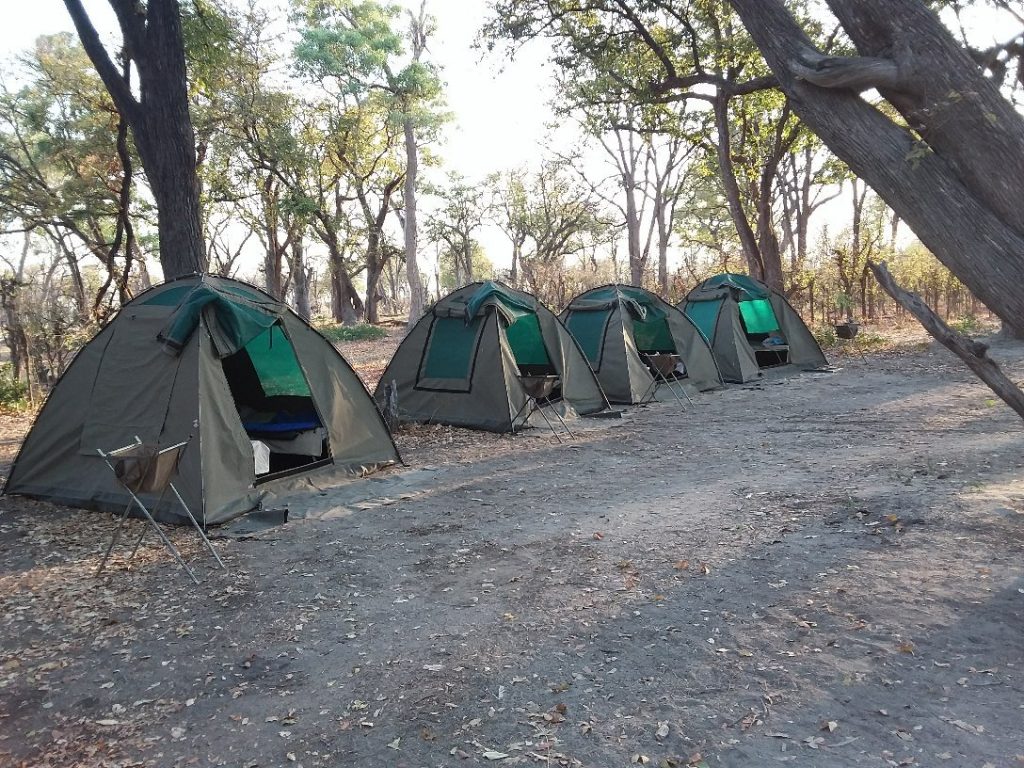
This is where Botswana self-drive stops being adventurous and becomes genuinely demanding.
Campsites are standalone pitches scattered across enormous distances, at Deception, Passarge, Piper Pan, Letiahau, Kukama, Sunday Pan, Lekhubu and Motopi among others. Facilities amount to a drop toilet and sometimes a bucket shower frame. You carry all your own water, and some sites have none at all.
Tracks are deep sand and heavily corrugated. Journeys that look short on a map take many hours, and temperatures above 38°C while driving them are normal in summer.
Bookings run through private operators rather than one system, with park fees settled with the Department afterwards. Double bookings have been reported, so carry printed confirmations.
No fuel is sold inside the reserve and recovery help can be many hours away. A satellite phone is a sensible precaution rather than an indulgence, and travelling in convoy is the safer choice.
Time your visit to the rains rather than around them. The Central Kalahari peaks from December through April, when the fossil valleys green and pull in game that has been dispersed for months. This is exactly when the Okavango and Chobe are at their weakest, so the reserve rescues a green season trip. Most visitors reach the reserve as part of a wider route such as the 7 day Delta and Kalahari safari.
Best Time to Visit the Central Kalahari
December through March or April is the strongest window, which inverts the rest of Botswana.
Summer rain greens the flat grasslands of the northern reaches, and wildlife gathers on the best grazing. Predator sightings peak because the herbivores have concentrated. Springbok drop their young, which draws the cats into the open.
The trade is heat, with summer temperatures regularly pushing high into the thirties, and tracks that can become difficult after heavy storms.
The dry months from May to October deliver thin game across enormous distances, though the emptiness has its own appeal and nights are cold enough for frost. Some camps stay strong year round by pumping waterholes.
For a first Botswana safari where reliable Big Five sightings matter, the northern parks load the odds better. For a second or third trip, the Kalahari is the one people remember.
Frequently Asked Questions About the Central Kalahari Game Reserve
How big is the Central Kalahari Game Reserve?
52,800 square kilometres, making it the second largest wildlife reserve in the world and the largest, most remote reserve in southern Africa. That is larger than the Netherlands, close to Belgium and the Netherlands combined, and roughly a tenth of Botswana’s total land area. It sits entirely within the Ghanzi District, forming over 40 percent of that district’s territory, and is bordered to the south by Khutse Game Reserve.
Why was the Central Kalahari Game Reserve created?
Primarily to protect the Basarwa or San people and the wildlife they depended on. A survey in the late nineteen fifties recommended protecting both, and the reserve was established at the start of the nineteen sixties as a home for around five thousand San who had lived there for thousands of years as nomadic hunter-gatherers. From the mid nineties the government relocated communities out of the reserve, and although a Botswana court later ruled the evictions unlawful, access has remained restricted in practice.
When is the best time to visit the Central Kalahari?
December through March or April, which inverts the rest of Botswana. Summer rains green the fossil valleys and northern grasslands, drawing in game that has been dispersed for months, and predator sightings peak as herbivores concentrate. The dry season from May to October delivers thin game across enormous distances, though nights turn cold enough for frost and the emptiness has its own appeal. Camps with pumped waterholes hold up year round.
What wildlife lives in the Central Kalahari?
Black-maned Kalahari lions are the headline species, alongside cheetah and brown hyena, which is genuinely hard to see elsewhere. Gemsbok are the emblematic antelope, adapted to survive without surface water, with springbok, eland, red hartebeest, kudu and giraffe also present. The reserve is particularly good for smaller desert species that rarely appear elsewhere, including bat-eared fox, aardwolf, aardvark, honey badger and caracal, with meerkats in the northern reaches.
Can you self-drive in the Central Kalahari Game Reserve?
Yes, with real deep sand experience and preferably in convoy. Campsites are standalone pitches spread across enormous distances with at most a drop toilet and bucket shower frame, and you carry all your own water since some have none. Tracks are deep sand and heavily corrugated, with self-drivers reporting eight hours to reach Piper Pan from the main road. No fuel is sold inside, recovery help is many hours away, and a satellite phone is a sensible precaution.
How do you get to the Central Kalahari Game Reserve?
Three main gates. Matswere in the north via the village of Rakops, roughly 210 kilometres from Maun, which is the usual route to Deception Valley. Xade on the west off the Ghanzi to Kang road. Khutse in the south, connecting to Khutse Game Reserve and the shortest run from Gaborone. Fly-in access is also available now, with light aircraft serving lodge airstrips inside and on the edges of the reserve.
Booking Your Botswana Trip
The safari companies and tour operators listed on this website put trips like this together for a living and know which camps, guides and routes actually deliver. We are an independent guide to Botswana; we do not book or sell tours ourselves.
When you are ready, arrange your safari, tour or holiday with one of the recognised operators listed here. Tell them your dates and what matters most, and a real person, not a form, will handle the itinerary, park bookings and logistics for you.