Big Five Safaris in Botswana
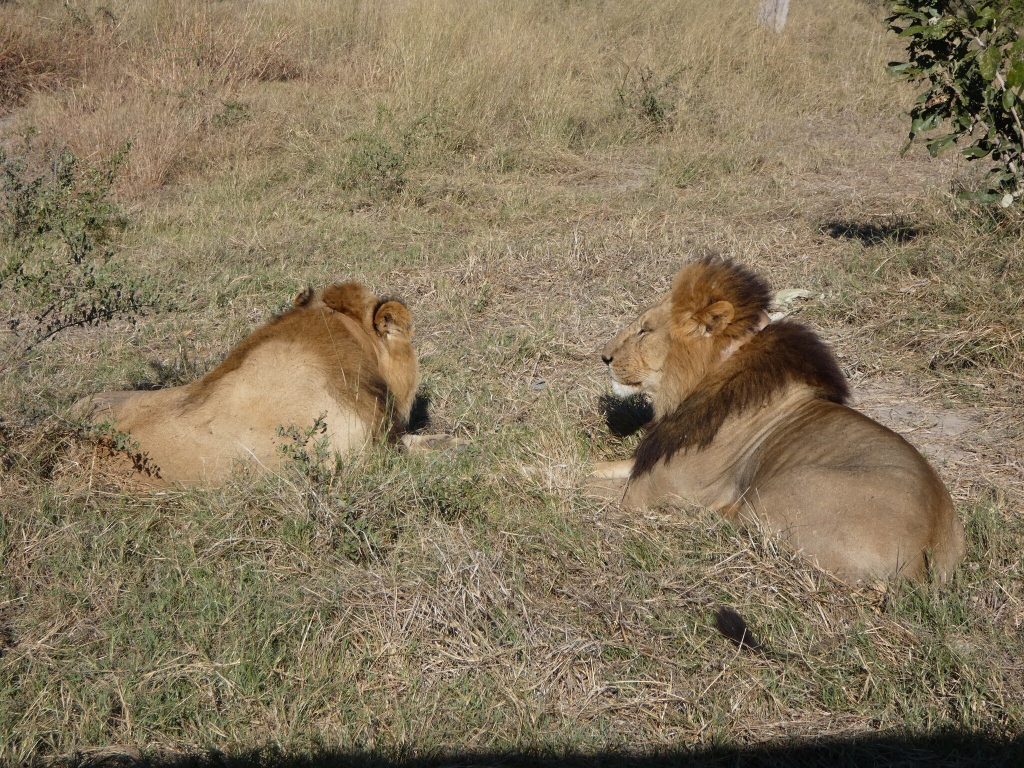
Botswana delivers four of the Big Five reliably and cannot promise the fifth. Elephant, lion, leopard and buffalo are all well represented in the north and seen regularly in the right areas at the right times, while rhino sightings have become uncommon following severe poaching pressure. Any operator guaranteeing the Big Five in the Okavango is overselling, and the honest answer involves a deliberate detour to see rhino at all.
Where the Term Comes From
Worth knowing, because it explains why the list contains what it does.
The Big Five were not chosen for size, beauty or rarity. They were the five animals that big game hunters considered the most dangerous and difficult to hunt on foot: lion, leopard, elephant, buffalo and rhinoceros.
Hippo and crocodile, which kill more people, are not on the list because they were not hunted the same way.
The term survived into photographic safari marketing, where it has become a checklist rather than a description of danger.
That matters for how you plan. A traveller chasing five species will miss a great deal of what Botswana actually does better than anywhere: wild dog, water-adapted antelope, enormous elephant concentrations and the desert species.
Treat it as a starting point rather than an objective and the country delivers considerably more.
Guides in Botswana tend to be gently sceptical of the list for exactly this reason. Ask one what they would rather show you and the answer is usually wild dogs on a hunt, a pangolin on a night drive or a brown hyena in the Kalahari, none of which appear on any checklist and all of which are harder to find and more interesting to watch than a buffalo.
The Big Five is a hunting list, not a wildlife one. It leaves out wild dog, cheetah, hippo and crocodile, all of which Botswana does better than most, and it includes the one animal the country cannot reliably show you.
The Four You Will See
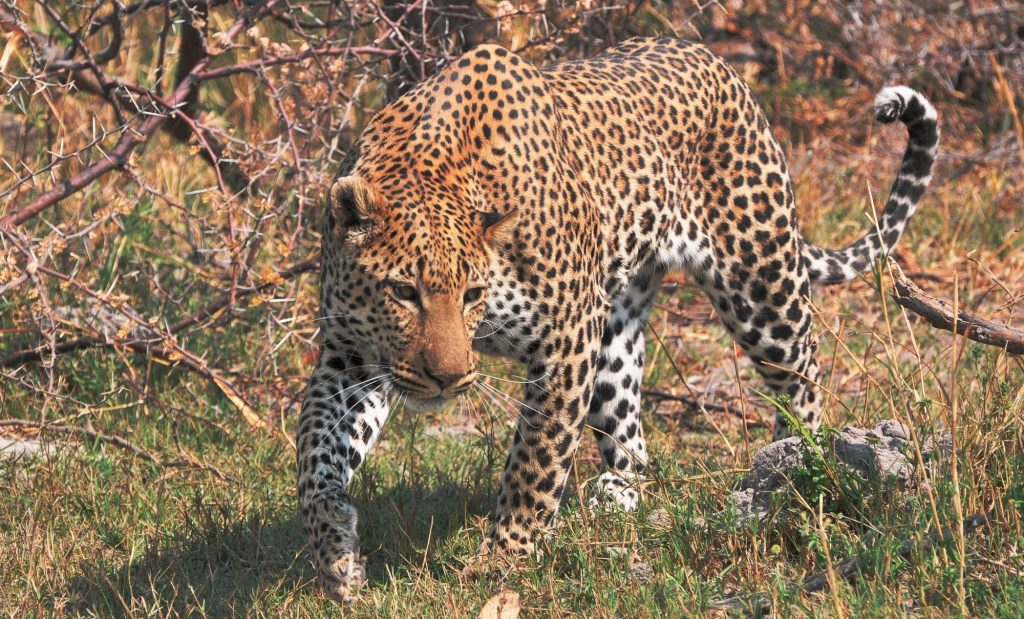
Four of the five are genuinely reliable given the right region and season.
Elephant is the easiest. Botswana holds the largest population in Africa, commonly estimated around 130,000, and the Chobe riverfront carries the densest concentration on the continent. Several hundred along one stretch of bank in a dry season afternoon is ordinary.
Lion is strong throughout the north, with Moremi, Savuti, the Linyanti and the Delta concessions all reliable, and the Kalahari holding black-maned desert lions on a different calendar.
Buffalo gathers in some of Africa’s largest herds, with mega-herds exceeding 2,000 in the Mababe Depression and a thousand or more along the Chobe floodplains in the dry months.
Leopard is the least predictable of the four but reaches high densities in riverine forest, particularly Khwai, eastern Moremi around Xakanaxa and the Linyanti.
Of the four, leopard is the one worth choosing your camp around. Elephant, buffalo and lion turn up on almost any competent northern itinerary, whereas a leopard needs cover, trees and a guide permitted to leave the track when one moves off it. That single consideration argues for a concession or a community area over a park camp, and it is the difference between watching a leopard disappear into the treeline and following it.
The Rhino Problem
This needs stating plainly rather than glossed.
Rhino were driven to local extinction in Botswana twice and reintroduced twice. Both species were gone by the eighteen nineties, a reintroduction of 156 white rhino was wiped out by poaching, and a survey in the early nineteen nineties found only around 19 to 27 animals left in the wild.
Those were captured into fenced areas and bred up, then reintroduced to Moremi and the Mombo area of the Delta, where numbers grew encouragingly for a period.
That has reversed sharply. After years of almost no losses, poaching pressure shifted to Botswana as neighbouring countries tightened enforcement, and losses over a five-year period ran to well over a hundred, including 22 killed on Chief’s Island within nine months.
Botswana’s response has included dehorning, relocating animals to more defensible areas and an increased military presence.
For a visitor that means rhino sightings on a standard northern safari are now uncommon and should not be expected.
How to See Rhino Anyway
There is a reliable answer and it involves leaving the safari circuit.
Khama Rhino Sanctuary near Serowe is the dependable option, a community trust established by local people after rhino numbers collapsed nationally, holding both black and white rhino across roughly 4,300 hectares with a military-patrolled perimeter. Sightings are unusually consistent.
It sits on the eastern corridor between Gaborone and Francistown rather than in the north, so it needs a deliberate detour rather than an addition to an Okavango trip.
Mokolodi Nature Reserve south of Gaborone holds white rhino as part of a national breeding programme and works as a half day from the capital.
The Northern Tuli Game Reserve in the east has also received reintroduced animals.
Where rhino remain in the wild, locations are deliberately not publicised and guides will not share them, which is appropriate and worth respecting rather than pressing against.
Chobe riverfront. Elephant in the greatest density in Africa, buffalo in herds of hundreds, lion following them. Reachable from Kasane with no charter flight, which makes it the cheapest Big Four base.
Moremi, Khwai and the Delta. The strongest leopard and lion viewing in the country, alongside elephant and buffalo. Khwai adds night drives and off-road driving that the reserve prohibits.
Serowe for rhino. Khama Rhino Sanctuary on the eastern corridor, a community trust with reliable sightings of both species. A deliberate detour rather than part of a northern circuit.
Building a Big Four Itinerary
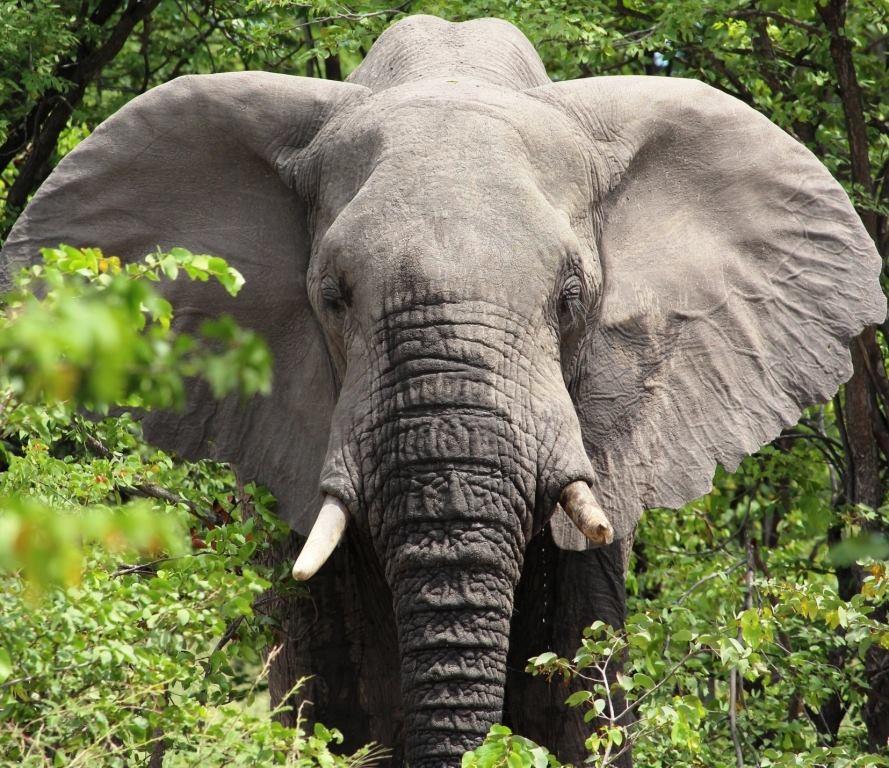
A week in the right places covers four comfortably.
Three nights on the Chobe riverfront delivers elephant and buffalo in numbers, with lion following the herds, and needs no internal flight.
Three or four nights in Moremi, Khwai or a Delta concession adds the leopard and the strongest lion viewing, with wild dog as a bonus that outranks most of the Big Five for many travellers.
Season matters. September and October give the sharpest conditions, with thin bush and game pinned to permanent water, at the cost of considerable heat. May to October is good throughout.
Concessions improve leopard odds substantially, since off-road driving lets a guide follow a cat into cover and night drives show them hunting rather than resting.
Adding two nights at Serowe on the way in or out is what completes the set, and it works better at the start or end of a trip than in the middle. It sits roughly 250 kilometres from Gaborone on tarred road, so it slots naturally into an arrival or departure through the capital rather than requiring a separate expedition. For the full set of headline species in one route, operators point to the 7 day Okavango, Moremi and Chobe safari.
What Botswana Does Better Than the List

Worth setting out, because the Big Five undersells the country badly.
African wild dog is Africa’s second most endangered large carnivore and Botswana is one of its last strongholds, with roughly 130 packs. Denning season between May and September makes sightings genuinely plannable.
Cheetah occurs in numbers, with Botswana holding roughly a quarter to a third of every wild cheetah left on earth.
Water-adapted antelope including red lechwe and sitatunga exist almost nowhere else in the same abundance.
The zebra migration is the longest terrestrial mammal migration in Africa and almost nobody outside the country knows about it.
Brown hyena, aardvark and pangolin are the sightings experienced safari travellers actually pursue.
If a tour operator promises the Big Five in the Okavango Delta, ask them directly about rhino. The honest ones will explain the poaching situation and suggest Serowe. That question is a useful test of who you are dealing with.
Frequently Asked Questions About Big Five Safaris in Botswana
Can you see the Big Five in Botswana?
Four of them reliably. Elephant, lion, leopard and buffalo are all well represented in the north and seen regularly in the right areas at the right times. Rhino is the exception and should not be expected on a standard northern safari, since the population has been hit hard by poaching and animals have been moved to more defensible areas. Seeing rhino means a deliberate visit to Khama Rhino Sanctuary near Serowe.
Where is the best place for Big Five viewing in Botswana?
The Chobe riverfront for elephant in the greatest density in Africa, buffalo in herds of hundreds and lion following them, reachable from Kasane with no charter flight. Moremi, Khwai and the Delta concessions for the strongest leopard and lion viewing. Khama Rhino Sanctuary near Serowe on the eastern corridor for rhino, which is a deliberate detour rather than part of a northern circuit.
Why is rhino so hard to see in Botswana?
Rhino were driven to local extinction twice and reintroduced twice. A survey in the early nineteen nineties found only around 19 to 27 left in the wild, which were captured into fenced areas and bred up before reintroduction to the Delta. Poaching pressure then shifted to Botswana as neighbours tightened enforcement, with losses over five years running to well over a hundred, including 22 killed on Chief’s Island in nine months.
How long do you need to see the Big Four?
About a week in the right places. Three nights on the Chobe riverfront delivers elephant and buffalo in numbers with lion following, and needs no internal flight. Three or four nights in Moremi, Khwai or a Delta concession adds leopard and the strongest lion viewing. September and October give the sharpest conditions, with thin bush and game pinned to permanent water, though the heat is considerable.
What is the Big Five and why those animals?
Lion, leopard, elephant, buffalo and rhinoceros, chosen by big game hunters as the five most dangerous and difficult animals to hunt on foot rather than for size, beauty or rarity. Hippo and crocodile, which kill more people, are absent because they were not hunted the same way. The term survived into photographic safari marketing, where it functions as a checklist rather than a description of danger.
What does Botswana offer beyond the Big Five?
A great deal. African wild dog, Africa’s second most endangered large carnivore, with Botswana holding roughly 130 packs and denning season making sightings plannable. Cheetah, with the country holding roughly a quarter to a third of every wild cheetah left on earth. Water-adapted antelope including red lechwe and sitatunga. The longest terrestrial mammal migration in Africa. And brown hyena, aardvark and pangolin, which are the sightings experienced travellers actually pursue.
Booking Your Botswana Trip
The safari companies and tour operators listed on this website put trips like this together for a living and know which camps, guides and routes actually deliver. We are an independent guide to Botswana; we do not book or sell tours ourselves.
When you are ready, arrange your safari, tour or holiday with one of the recognised operators listed here. Tell them your dates and what matters most, and a real person, not a form, will handle the itinerary, park bookings and logistics for you.