Family Safaris in Botswana
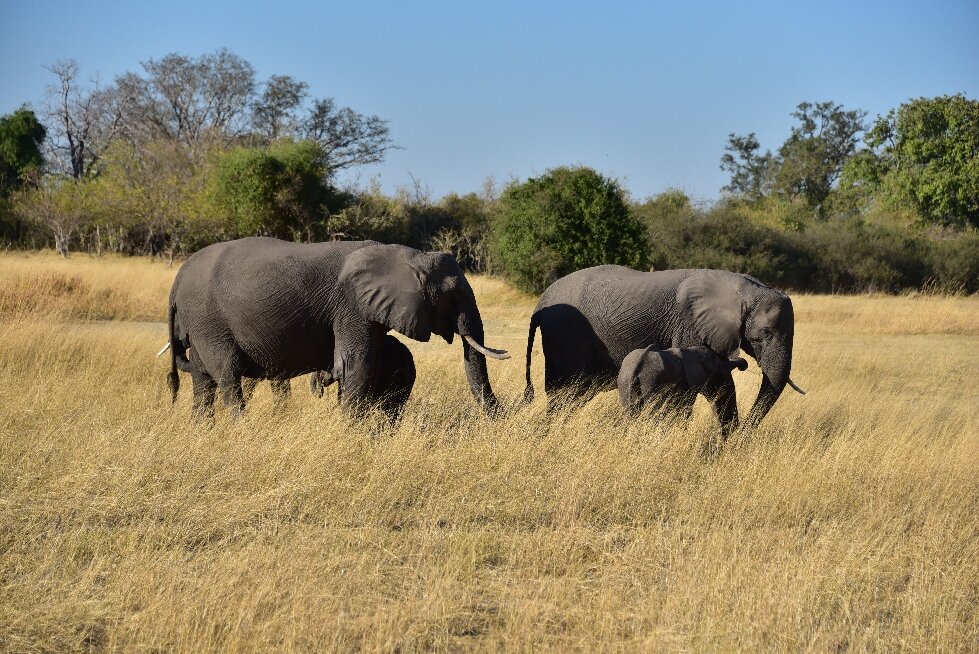
Botswana is harder to arrange as a family safari than most African destinations, because age restrictions are widespread, many camps require families with younger children to book a private vehicle, and much of the country sits in a malaria area. It is entirely doable with planning, and the constraints are the thing to establish before falling in love with a camp. The Tuli Block in the east is malaria free.
The Three Real Obstacles
Deal with these first, because they determine which camps are available to you at all.
Age limits. Many Botswana camps set a minimum age, commonly six, with some at eight or twelve. Water activities and walking safaris frequently carry higher minimums again, often twelve or sixteen, for straightforward safety reasons around hippo, crocodile and big game on foot.
Private vehicles. Families with children roughly aged six to twelve are usually required to book a private vehicle rather than share, at a supplement. That is not an upsell so much as a practical necessity, since it lets you cut a drive short without inconveniencing other guests.
Malaria. Northern Botswana, meaning the Okavango, Chobe, Linyanti and the Makgadikgadi region, is a malaria area with the highest risk from November to June. Prophylaxis for children needs a travel clinic conversation well ahead.
Establish the age policy, the private vehicle requirement and the malaria position before you shortlist camps. Working the other way round leads to falling for a property that will not take your six-year-old.
Choosing the Right Age to Travel
There is a genuine sweet spot and it is worth being honest about it.
Under six is difficult. Few camps accept them, the malaria question is more fraught, long drives are hard on small children and the child will remember little of it.
Six to eleven works well with a private vehicle. Children at this age engage with tracks, birds, insects and the smaller animals more readily than adults expect, and camps with dedicated children’s programmes suit them.
Twelve and above opens almost everything, including walking safaris, mokoro and boat activities, and this is when a Botswana trip works closest to how it does for adults.
Teenagers do particularly well here, since the activity range beyond game drives gives them something to do.
Multi-generational groups need the widest camp check, since a policy that suits the teenagers may exclude a younger cousin.
Grandparents are worth a separate thought too. Open safari vehicles involve climbing in and out several times a day, tracks are rough enough to jolt anyone with back trouble, and camps are frequently reached by a walk along sand paths. None of that rules out older travellers, and it does argue for asking about vehicle access and tent proximity rather than assuming a camp will accommodate limited mobility.
What Works for Children in Botswana
The country offers more than game drives, and the alternatives are what make a family trip work.
Meerkats in the Makgadikgadi are the standout family activity in Botswana. Habituated colonies allow close observation within a fixed hour, requiring no dawn endurance, and the animals frequently climb visitors. Children who would be bored on a three-hour drive are rapt here.
Mokoro trips are gentle, quiet and short, though age minimums apply and hippo make the poler’s route knowledge critical.
Boat safaris on the Chobe suit children well, being comfortable, shaded on some vessels and full of visible elephant.
Quad biking and sleep-outs on the salt pans work for older children.
Bush skills sessions, tracking, spoor casting and stargazing are offered by camps with children’s programmes and are frequently the thing children remember.
Several operators run dedicated young explorer programmes with child-specialist guides.
Where to Take a Family

Region choice narrows quickly once the constraints are applied.
Chobe from Kasane is the easiest starting point. No charter flight, so no soft-bag limit or airstrip waiting, short transfers, boat safaris that suit children, and comfortable lodges. It also pairs with Victoria Falls.
The Makgadikgadi delivers the meerkats, quad biking, sleep-outs and San walks, and is reachable by road.
The Okavango Delta works with the right camp, and needs the age policy checked carefully, since water activities carry higher minimums.
Khwai is a good middle option, reachable by road, with night drives and off-road driving at community rates.
The Tuli Block in the east is malaria free, which for families with younger children removes the single biggest medical concern, and it holds elephant and leopard across sandstone country.
Under six. Difficult. Few camps accept them, malaria adds complication and long drives are hard. Consider the malaria-free Tuli Block, or wait a few years.
Six to eleven. Workable with a private vehicle, which most camps require at this age. Meerkats, boat safaris and children’s programmes suit this age particularly well.
Twelve and above. Almost everything opens, including walking safaris, mokoro and boat activities. Teenagers do well here because the activity range extends well beyond game drives.
Practical Planning
Several details are worth settling early.
Family tents and interconnecting rooms are limited, so book well ahead. Our page on family safari lodges covers which properties have them.
Charter flights carry a strict weight limit of roughly 20kg per person in soft bags, and children count as passengers with their own allowance. A family of four generates a lot of luggage.
Unabridged birth certificates are required for minors at every border crossing in the region, and this is checked. Travelling with only one parent needs additional documentation.
Camps are unfenced. Children must be escorted between tent and main area at all times after dark, and many camps require an adult with a child at all times regardless of hour.
Drive times matter more with children. A camp reached by a short road transfer beats one requiring two charter legs.
Meals are usually communal and served at fixed times, which suits some families and not others. Camps will usually feed children earlier on request, and asking in advance is better than discovering the arrangement on arrival with a tired six-year-old at eight in the evening.
Managing Expectations
A frank word about what a family trip here is actually like.
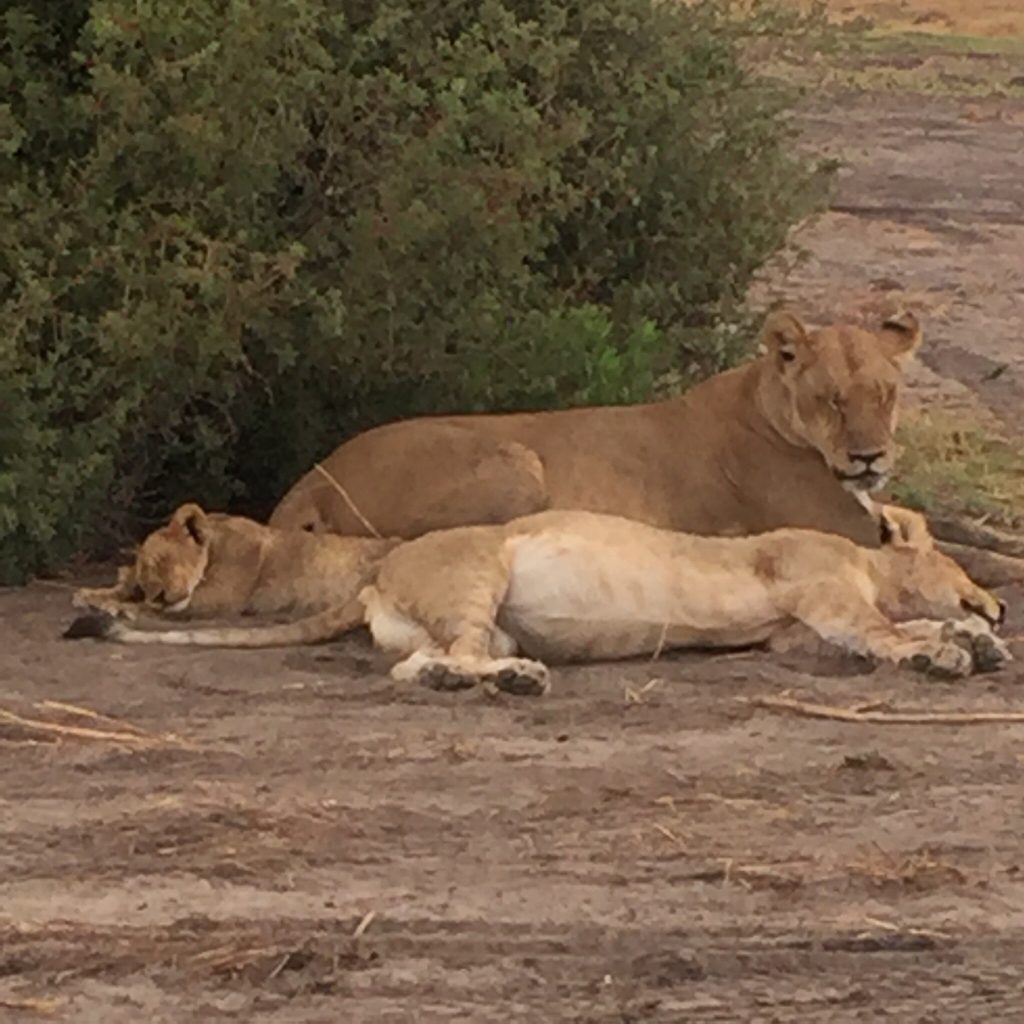
Game drives are long, hot and involve sitting still, which is a genuine ask for a young child. Two of them a day for a week is more than many children will happily do, and the private vehicle exists precisely so you can turn back.
Midday is dead time in camp, which suits adults and bores children unless the property has a pool or a programme.
Wake-ups are before six. That is non-negotiable if you want the good viewing.
Against that, children frequently engage with things adults skip past, including dung beetles, tracks, birds and the tracker’s work, and a good guide will pitch to them.
Three nights in one camp beats one night in three, more so with children than without.
It is also worth preparing children for what a sighting actually looks like. Most wildlife on a drive is asleep, distant or partly hidden, and a child expecting the pace of a wildlife documentary will be disappointed within a day. Guides handle this well when they know to, framing tracks, birds and dung as part of the story rather than filler between big animals, and a family that tells the camp in advance usually gets a guide who works that way.
Build the trip around Chobe and the Makgadikgadi rather than the fly-in Delta if the children are under twelve. Both are road-accessible, both have activities beyond game drives, and you avoid the charter weight limits and airstrip waits entirely.
Frequently Asked Questions About Family Safaris in Botswana
What is the minimum age for a Botswana safari?
It varies by camp, commonly six, with some properties setting eight or twelve. Water activities including mokoro and boat trips, and walking safaris, frequently carry higher minimums again, often twelve or sixteen, for safety reasons around hippo, crocodile and big game on foot. Check each camp’s policy before shortlisting, since it is the constraint that determines which properties are available to you at all.
Do you need a private vehicle for a family safari?
Usually, for children roughly aged six to twelve, and most camps require it rather than offering it. There is a supplement, and it is a practical necessity rather than an upsell, since it lets you cut a drive short or change plans without inconveniencing other guests. For families it is genuinely better, and many parents who resent the cost beforehand consider it the best money spent on the trip.
Is Botswana safe for children with malaria risk?
Northern Botswana, meaning the Okavango, Chobe, Linyanti and the Makgadikgadi region, is a malaria area with highest risk from November to June, so prophylaxis for children needs a travel clinic conversation well ahead of travel. The Tuli Block in eastern Botswana is malaria free, which removes the concern entirely and is worth considering for families with younger children. Long sleeves, repellent and covered legs at dawn and dusk apply throughout.
What is the best age to take children on safari in Botswana?
Six to eleven works well with a private vehicle, and twelve and above opens almost everything including walking safaris, mokoro and boat activities. Under six is difficult, since few camps accept them, malaria adds complication, long drives are hard on small children and they will remember little. Teenagers do particularly well in Botswana because the activity range extends well beyond game drives.
What activities suit children in Botswana?
Meerkat visits in the Makgadikgadi are the standout, with habituated colonies allowing close observation within a fixed hour and animals frequently climbing seated visitors. Boat safaris on the Chobe suit children well, being comfortable and full of visible elephant. Quad biking and sleep-outs on the salt pans work for older children. Camps with children’s programmes offer bush skills, tracking, spoor casting and stargazing, which are often what children remember.
Where should a family go in Botswana?
Chobe from Kasane is the easiest starting point, with no charter flight, short transfers, boat safaris that suit children and comfortable lodges, and it pairs with Victoria Falls. The Makgadikgadi delivers meerkats, quad biking and sleep-outs and is road-accessible. Khwai is a good middle option with night drives at community rates. The Tuli Block is malaria free, which matters most for families with younger children.
Booking Your Botswana Trip
The safari companies and tour operators listed on this website put trips like this together for a living and know which camps, guides and routes actually deliver. We are an independent guide to Botswana; we do not book or sell tours ourselves.
When you are ready, arrange your safari, tour or holiday with one of the recognised operators listed here. Tell them your dates and what matters most, and a real person, not a form, will handle the itinerary, park bookings and logistics for you.