Is Botswana Safe

Botswana ranks among the safest countries in Africa, with violent crime against visitors rare and safari areas exceptionally low risk, though petty theft occurs in Gaborone, Francistown and Maun. The real hazards on a safari are wildlife, roads and the sun rather than people. Botswana is a politically stable southern African country that has ranked third on the continent in the Global Peace Index, and most Western governments place it at their second advisory tier, urging normal caution rather than avoidance.
Crime Risk for Visitors on a Botswana Safari
The honest picture is boring, which is the best thing you can say about a destination’s crime situation.
Serious crime concentrates in the towns, meaning Gaborone, Francistown and Maun, and it overwhelmingly involves residents rather than tourists. Attacks on visitors are rare. Crime inside the Okavango Delta and the other wildlife areas is close to non-existent, partly because there is nobody around and partly because camps are staffed and controlled.
What does happen is opportunistic theft: pickpocketing, bag snatching, smash-and-grab at traffic lights in Gaborone, break-ins to parked vehicles. Canadian and US government advisories both note that petty crime occurs frequently and that police response times can be slower than visitors expect.
A few named places carry a local reputation and are worth avoiding after dark. Kgale Hill in Gaborone, popular with hikers, sees frequent incidents. So does the area around Gaborone Dam. The Old Naledi neighbourhood is best skipped.
Practical Precautions on a Botswana Trip
Standard travel sense covers nearly all of it, and Botswana asks less of you than most destinations.
Keep valuables out of sight. Leave good jewellery at home. Be deliberate about using a phone in public in the towns. Do not leave anything visible in a parked car, including during daylight, and keep windows up and doors locked while driving in Gaborone.
Use licensed taxis, identifiable by blue plates, or have a hotel or restaurant call one for you. Agree the fare before setting off, since meters are not universal. Avoid walking alone at night in urban areas, and stick to lit, populated streets.
If you are confronted, hand over what is asked for. Advisories are consistent on this point and resistance is what turns a theft into an injury.
The most common loss on a Botswana trip happens before you arrive. Baggage pilfering at Johannesburg and Cape Town airports is a long-running problem, so keep cameras, electronics and medication in your carry-on and consider wrapping checked bags.
Wildlife Safety on Game Drives and Walking Safaris
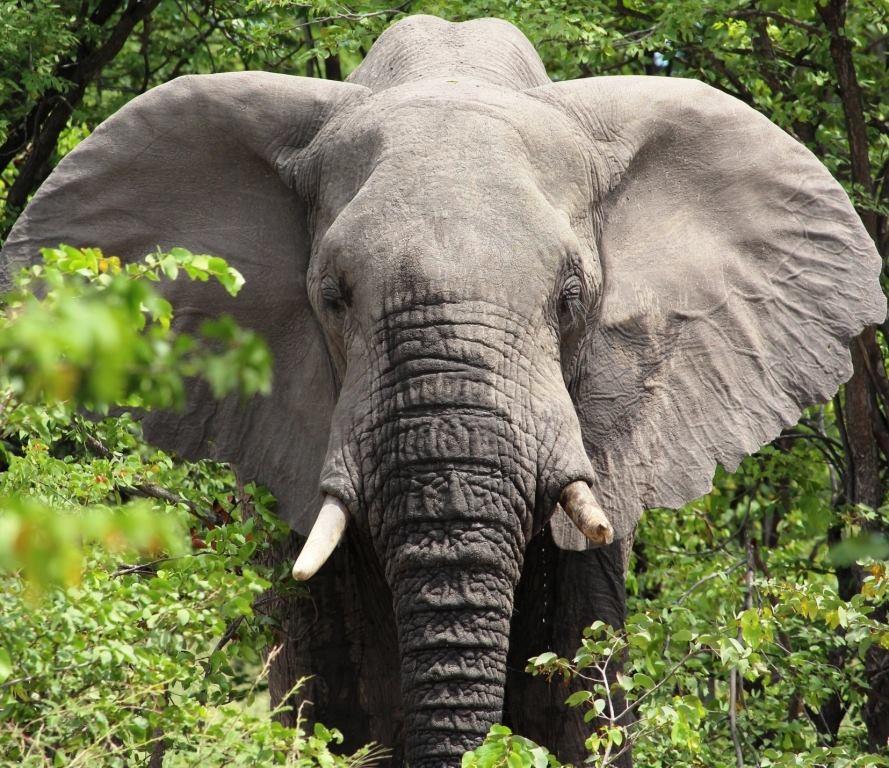
This is where the actual risk sits, and it is managed almost entirely by following instructions.
Botswana camps are unfenced by design. Elephants walk through them. Hippos graze the lawns at night, and hippos kill more people in Africa than most predators. This is why staff escort guests between tents after dark and why that rule is not a formality, no matter how short the walk looks.
On a game drive, stay seated and stay inside the vehicle’s outline. Animals read a vehicle as a single large object and do not distinguish the people in it until somebody stands up or a limb sticks out. Do not stand, do not lean out, and keep noise down at a sighting.
On foot, walk in single file behind the guide, do not run, and do exactly what you are told without discussion. Guided walks in Botswana are led by licensed, armed guides and the safety record is good precisely because the discipline is taken seriously.
Never go near or feed anything, including the small stuff. Baboons and vervet monkeys around camps become aggressive when they associate people with food.
Hippos and elephants cause more visitor injuries in southern Africa than lion and leopard combined. The dangerous animal is usually the one nobody was worried about.
Road Safety and Self-Drive Risks in Botswana
Driving is the highest-risk activity on most Botswana itineraries, and considerably more dangerous than anything in a national park.
Livestock roams free along the main roads. Cattle, goats and donkeys stand on the tar at night because it holds the day’s heat, and they are invisible until you are on them. Elephants cross highways in the north and an adult elephant will destroy a vehicle. The clear advice, given by everybody who lives here, is do not drive between towns after dark.
Inside the parks, tracks are deep sand and recovery help can be hours away. Fuel is not sold inside national parks. Speed limits inside are 40 kph and off-road driving is prohibited. Anyone attempting Moremi or the Central Kalahari should have real experience of sand driving, or travel in convoy with someone who does.
Minibus taxis, the kombis, are cheap and often overcrowded and poorly maintained. Lodge transfers are the safer option and worth the difference.
Police roadblocks are routine across the country. They are an administrative inconvenience rather than a threat, and the correct response is to stop, be polite and show documents.
Solo and Female Travel Safety in Botswana
Botswana has a good reputation among solo travellers, and among solo women in particular. Locals are broadly courteous, the country is stable, and violent crime against visitors is rare.
The caveats are ordinary. Unwanted attention happens in bars and nightlife settings, more so for women travelling alone. Petty theft targets people who look distracted or wealthy. Arrange transport in advance rather than hailing something on the street late at night.
Safari camps are among the safest environments a solo traveller will find anywhere, since you are in a small staffed group in a controlled setting. Some camps waive single supplements during the green season, which makes solo travel considerably more affordable in those months.
Health and Environmental Risks on Safari
Heat and dehydration send more visitors into difficulty than anything criminal. October afternoons average near 37°C in Maun with humidity between 20 and 40 percent, so fluid loss goes unnoticed. Drink more than thirst suggests and treat headache on an afternoon drive as dehydration first.
Sun burns people badly on cold winter mornings because it does not feel hot. Cover up year round.
Malaria risk exists in the northern parks and peaks in the rains. Stray dogs can carry rabies, so keep away from them. Medical facilities exist in Gaborone, Francistown, Maun and Kasane, and there are none at all inside the wildlife areas, which is why camps run satellite communication and charter evacuation, and why insurance with evacuation cover is treated as compulsory by most operators.
Low risk. Safari camps and concessions, the Okavango Delta, Chobe and the Kalahari reserves, guided game drives and walks, internal charter flights, daytime travel on main roads.
Take care. Gaborone, Francistown and Maun after dark, Kgale Hill and Gaborone Dam, parked vehicles anywhere urban, minibus taxis, unlicensed taxis at night, border areas with neighbouring countries.
Genuine hazards. Driving between towns after dark with livestock and elephant on the road, deep sand self-drive without experience, walking unescorted in camp at night, heat and dehydration, ignoring a guide. This is a reference guide rather than an agency, and there is more about who publishes it if you want the background.
Common Scams to Watch for in Botswana
Scams are not a major feature of travel here, and the ones that exist are small.
Unlicensed taxi drivers quoting a fare after arrival rather than before is the most common. Agree the price first. Craft vendors sometimes present mass-produced items as handmade local work, which matters more to your wallet than your safety, and buying through a camp shop or a known cooperative solves it.
Be wary of unsolicited help around ATMs and of anyone offering to change money on the street. Use bank ATMs inside branches or shopping centres where you can.
Note that ATMs are unavailable outside larger towns entirely, so plan cash before heading into the bush rather than assuming you will find a machine.
Frequently Asked Questions About Safety in Botswana
Is Botswana safe for tourists?
Yes, by most measures it is one of the safer countries in Africa, having ranked third on the continent in the Global Peace Index. Violent crime against visitors is rare and safari areas carry very low risk. Petty theft such as pickpocketing and bag snatching occurs in Gaborone, Francistown and Maun. The United States and Canada both place Botswana at their second advisory tier, urging a high degree of caution rather than avoidance, with concerns focused on urban crime and border areas.
Is it safe to walk around Gaborone at night?
Not alone, and not in isolated areas. Stick to well-lit, populated streets, arrange transport in advance rather than hailing a taxi on the street late at night, and avoid Kgale Hill and the area around Gaborone Dam after dark. Old Naledi is best avoided altogether. Smash-and-grab incidents at traffic lights, follow-home robberies and vehicle break-ins are all documented in the capital, so keep windows up, doors locked and valuables out of sight while driving.
Are safari camps in Botswana dangerous because they are unfenced?
Unfenced camps have an excellent safety record, and the reason is procedure rather than luck. Staff escort guests between tents after dark, guests receive a briefing on arrival, camp layouts are planned to reduce risk, and movement is controlled at night. Elephants and hippos do walk through camps, and hippos in particular cause more human deaths in Africa than most predators. Follow the escort rule without exception, no matter how short the walk looks or how quiet the night seems.
Is Botswana safe for solo female travellers?
It has a good reputation and many solo women travel the country without difficulty. Locals are broadly courteous and violent crime against visitors is rare. Expect the ordinary caveats: unwanted attention in bars and nightlife settings, petty theft targeting anyone who looks distracted or affluent, and the need to arrange transport rather than hailing it late at night. Safari camps are among the safest settings you will find anywhere, being small, staffed and controlled.
Is it safe to self-drive in Botswana?
Safe if you are experienced, genuinely risky if you are not. The main hazard is the road rather than the parks: livestock stands on warm tar at night, elephants cross highways in the north, and driving between towns after dark is strongly discouraged by everyone local. Park tracks are deep sand, recovery help is hours away, fuel is not sold inside parks, the speed limit is 40 kph and off-road driving is prohibited. Practise sand driving somewhere forgiving before attempting Moremi or the Central Kalahari.
Do I need travel insurance for Botswana?
It is not required at immigration, though many operators and camps make it a booking condition and will ask for your policy number. Treat it as compulsory regardless. Safari camps sit hours from a hospital and are reachable only by light aircraft, and air ambulance operators frequently wait for a payment guarantee from your insurer before launching. Emergency medical evacuation cover is the benefit that matters most, and the delay it prevents is financial rather than logistical.
Booking Your Botswana Trip
The safari companies and tour operators listed on this website put trips like this together for a living and know which camps, guides and routes actually deliver. We are an independent guide to Botswana; we do not book or sell tours ourselves.
When you are ready, arrange your safari, tour or holiday with one of the recognised operators listed here. Tell them your dates and what matters most, and a real person, not a form, will handle the itinerary, park bookings and logistics for you.