Emergency Contacts and Embassies
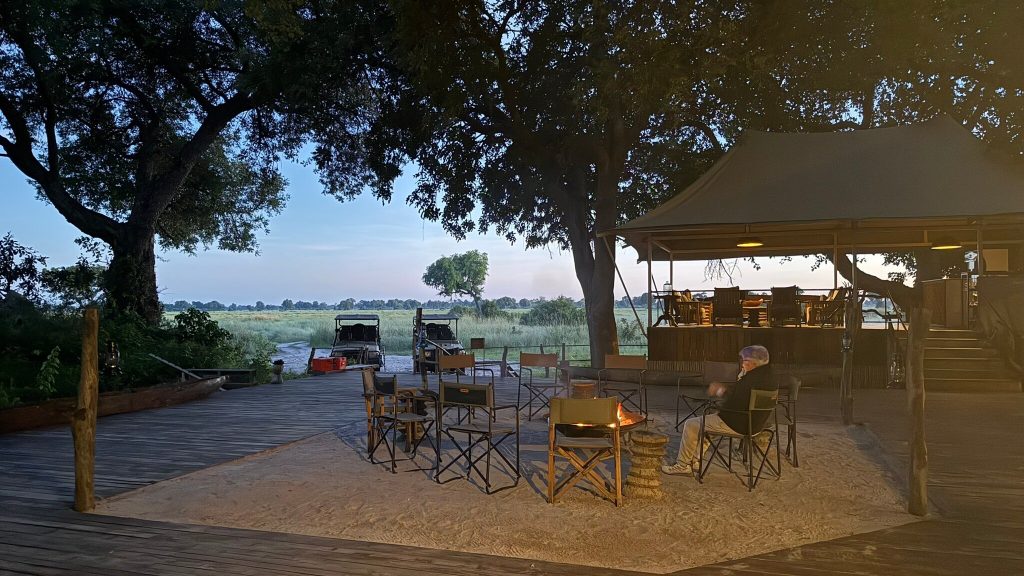
Botswana’s emergency numbers are 999 for police, 997 for ambulance and 998 for fire, all toll free but dialable only from a local SIM card. Private services including Emergency Assist on 991 and Okavango Air Rescue in Maun handle evacuations from remote safari areas, where state ambulances do not reach. Botswana is a southern African country using the international dialling code +267, with most foreign diplomatic missions based in the capital, Gaborone.
Emergency Numbers to Save Before Your Botswana Safari
Three national numbers cover the basics. Police is 999. Ambulance is 997. Fire brigade is 998. A fourth, 911, connects to medical rescue services.
One detail matters more than the numbers themselves: these toll free lines can only be dialled from a local network SIM. A foreign roaming SIM will not reach them. Anyone driving themselves around Botswana should buy a local SIM at the airport for this reason alone, quite apart from data.
The European standard 112 is not reliable in Botswana. Use the local numbers.
Be realistic about response times. Government advisories note that police response can be slower than visitors expect, and state ambulance services operate in Gaborone, Mochudi, Lobatse, Mahalapye, Palapye, Selebi-Phikwe, Francistown, Maun and Kasane. Outside those towns, there is no ambulance to call.
Save the numbers offline before you fly, in your phone’s contacts rather than in an email. Signal across the Delta and the Kalahari is patchy and a phone that cannot load a message is no use when somebody asks who to ring.
Medical Evacuation Services for Remote Safari Areas
State emergency services do not reach the wildlife areas, so evacuation from a safari camp runs through private providers and the camp itself.
Emergency Assist operates a pre-hospital service covering road and air evacuation alongside roadside assistance, reachable on 991 toll free. Okavango Air Rescue runs helicopter evacuation out of Maun and sells memberships that can be bought at their Maun airport office or online, priced modestly and separately for citizens and foreigners. Medical Air Rescue services operate nationally.
In practice you will rarely dial any of these yourself. Camps hold satellite communication links and standing relationships with charter operators, and the camp manager makes the call. Airstrips near Delta and Chobe concessions allow a transfer to Maun or Kasane within hours during daylight. Night evacuation is far harder because most bush strips are unlit.
The bottleneck is usually payment rather than aircraft. Air ambulance operators commonly wait for a guarantee from your insurer before launching, which is why your policy number and the insurer’s 24-hour assistance line belong in the camp’s hands on arrival rather than during an incident.
Hospitals Near Botswana Safari Destinations
Gaborone has the country’s best facilities, including Princess Marina Hospital as the main public referral centre alongside private hospitals of reasonable standard. Francistown is the second centre.
Maun and Kasane both have hospitals, and these are the ones that matter for a safari itinerary since they receive evacuations from the Delta and Chobe. They can stabilise a patient and manage routine problems. Anything complex means onward transfer, commonly to Gaborone or across the border to Johannesburg.
Inside the parks and concessions there is nothing. Camps carry first aid kits and staff trained to a basic level, and that is the whole of it.
Foreign Embassies and High Commissions in Botswana
Most diplomatic missions sit in Gaborone, which is a problem worth knowing about before you need one. The capital is roughly a thousand kilometres from Maun and further from Kasane, so consular help is a phone call rather than someone arriving.
The United States maintains an embassy in Gaborone. The United Kingdom has a High Commission there, as does Canada and, historically, Australia through a consulate arrangement. South Africa, Namibia, Zambia, Zimbabwe, India, China and several European states are also represented.
Several countries cover Botswana from missions in Pretoria or Johannesburg rather than maintaining a post in Gaborone. If your nationality is one of these, find out which mission is accredited to Botswana before you travel, since that is not something to research at a bad moment.
Contact details change, so take current telephone numbers and addresses from your own government’s official site shortly before departure and save them offline alongside the local emergency numbers.
Life-threatening emergency in a town. Police 999, ambulance 997, fire 998, from a local SIM. State ambulance operates in Gaborone, Francistown, Maun, Kasane and several other centres.
Medical emergency at a safari camp. Tell camp management immediately. They hold satellite communication and charter relationships and will coordinate the evacuation. Have your insurer’s policy number and 24-hour line ready.
Lost passport, arrest or consular problem. Contact your embassy or High Commission in Gaborone, or the mission accredited to Botswana from Pretoria. File a police report first where a crime is involved, since consulates will ask for the case number.
What to Do if Something Goes Wrong on Safari
Tell the camp or your guide first. That sounds obvious and it is the step people skip while trying to solve a problem themselves on a phone with one bar of signal. Camp managers deal with this regularly, hold the right contacts and know which airstrip is usable.
For anything involving a crime, file a police report and keep the case number. Insurers commonly refuse to open a claim without it, and where wildlife was involved in an incident the report goes to the nearest wildlife office.
For medical incidents, photograph every receipt immediately. Clinics here issue handwritten invoices on paper that fades, and a faded receipt is not evidence. Ask the treating doctor for a stamped report while you are in front of them.
Keep every email relating to a charter evacuation, since the flight manifest is what proves the aircraft flew for medical reasons.
Losing a Passport or Documents During a Botswana Trip
Report the loss to the police and obtain a written report. Then contact your embassy or High Commission, who will issue an emergency travel document.
Expect this to take time and to require a trip to Gaborone, which from Maun is a long way. Carrying a photocopy or a phone photograph of your passport biodata page speeds the process considerably, and keeping a copy stored somewhere you can reach without the phone itself is better still.
Anyone travelling on an emergency travel document rather than a full passport needs a visa to enter Botswana regardless of nationality, which becomes relevant if you plan to re-enter after a Victoria Falls trip.
Staying Contactable Across Botswana
Mobile coverage follows the main roads and the towns, and thins out fast beyond them. Mascom, Orange and BTC are the networks, and a local SIM bought at the airport is cheap and unlocks the toll free emergency numbers.
Across the Delta, the Kalahari and much of Chobe you should expect no signal at all. Camps have satellite communication and many now offer guest wifi in the main area, though it is slow and intermittent by design as much as by circumstance.
Anyone self-driving well off the tar roads should hire a satellite phone. A vehicle stuck in sand in the Central Kalahari with no signal is a genuinely serious situation, and it is the scenario where all the numbers above become useless at once.
Leave a copy of your itinerary with somebody at home, including camp names and dates, so that a person outside the country knows roughly where you should be.
Frequently Asked Questions About Emergency Contacts in Botswana
What is the emergency number in Botswana?
999 for police, 997 for ambulance and 998 for fire, all toll free. A further number, 911, reaches medical rescue services, and Emergency Assist operates on 991. The critical limitation is that toll free numbers can only be dialled from a local network SIM card, so a foreign roaming SIM will not connect. The European 112 standard is not reliable in Botswana. Buy a local SIM on arrival if you are travelling independently.
How do I get medical help from a remote safari camp?
Tell the camp manager immediately rather than trying to arrange something yourself. Camps hold satellite communication links and standing relationships with charter aircraft operators, and airstrips serving Delta and Chobe concessions allow transfer to Maun or Kasane within hours in daylight. Night evacuation is much harder since most bush strips are unlit. Have your insurance policy number and the insurer’s 24-hour assistance line available, because air ambulance operators often wait for a payment guarantee before launching.
Where is the nearest hospital to the Okavango Delta?
Maun, which is the main receiving centre for evacuations from the Delta and can stabilise patients and handle routine problems. Kasane serves the Chobe region similarly. Anything complex means onward transfer, usually to Gaborone or across the border to Johannesburg. Gaborone holds the country’s best facilities including Princess Marina Hospital and several private hospitals. There are no medical facilities inside the parks or concessions themselves.
Which embassies are in Botswana?
Most missions are in Gaborone, including the United States embassy and the British High Commission, alongside Canadian, South African, Namibian, Zambian, Zimbabwean, Indian, Chinese and various European representations. Several countries cover Botswana from Pretoria or Johannesburg rather than maintaining a Gaborone post, so check which mission is accredited to Botswana for your nationality before travelling. Take current contact numbers from your own government’s official site, since details change.
What do I do if I lose my passport in Botswana?
File a police report and keep the written record, then contact your embassy or the mission accredited to Botswana for an emergency travel document. Allow time, and expect to travel to Gaborone, which is roughly a thousand kilometres from Maun. Carrying a photocopy or phone image of your biodata page speeds things up considerably. Note that travellers holding an emergency travel document rather than a full passport require a visa to enter Botswana whatever their nationality.
Will my phone work on safari in Botswana?
Along main roads and in towns, yes, on Mascom, Orange or BTC. Across the Okavango Delta, the Central Kalahari and much of Chobe, expect no coverage at all. Camps run satellite communication and many offer slow guest wifi in the main area. Anyone driving themselves well off the tar should hire a satellite phone, since a vehicle stuck in deep sand with no signal is a serious situation rather than an inconvenience.
Booking Your Botswana Trip
The safari companies and tour operators listed on this website put trips like this together for a living and know which camps, guides and routes actually deliver. We are an independent guide to Botswana; we do not book or sell tours ourselves.
When you are ready, arrange your safari, tour or holiday with one of the recognised operators listed here. Tell them your dates and what matters most, and a real person, not a form, will handle the itinerary, park bookings and logistics for you.