Domboshaba Ruins
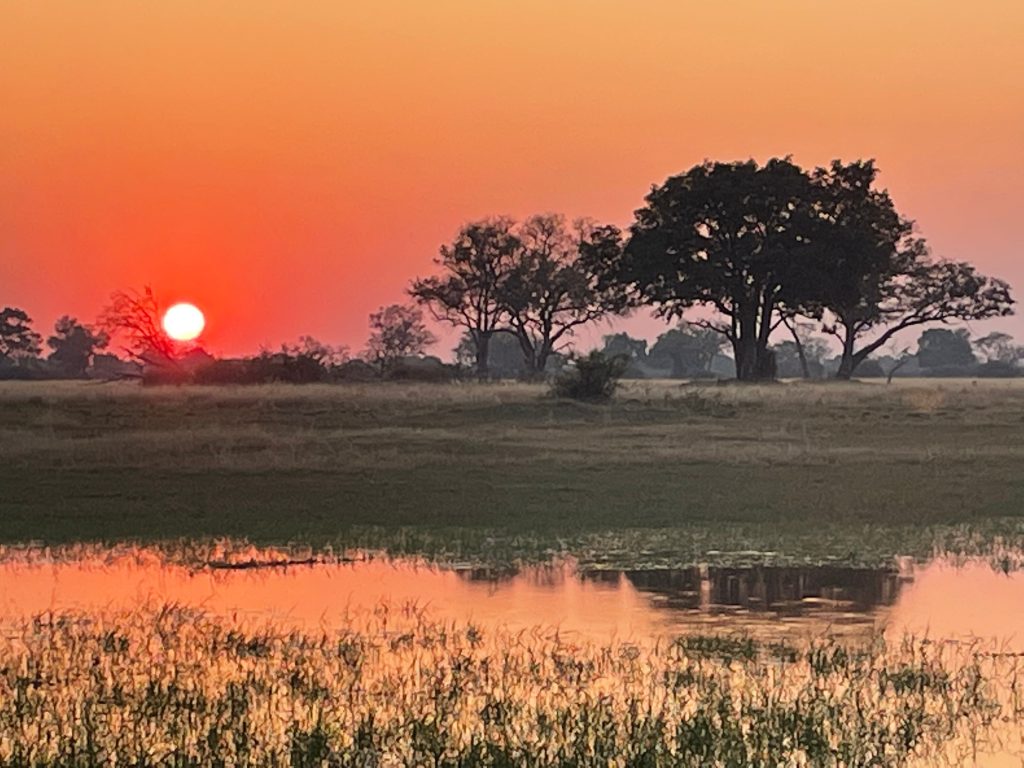
Domboshaba is a dry stone-walled hilltop site in northeastern Botswana, built during the Great Zimbabwe period and occupied as the residence and court of a regional ruler of the Kalanga state known as Butua. Its walls stand up to 1.8 metres high across roughly eight hectares, laid in flowing courses of granite worked around existing boulders and trees. It was the first archaeological site ever excavated in Botswana, and it hosts the country’s largest Kalanga cultural festival.
What Domboshaba Is
The name tells you what to look for. Dombo means hill or rock and shaba means red in Ikalanga, so Domboshaba is the red hill, though some translations render it as eland hill.
The site sits on a hill in the North East District, and it consists principally of dry stone walls, meaning stone laid without mortar. Enclosures divide the hilltop into private spaces, with walls reaching around 1.8 metres.
What distinguishes the stonework is its quality. The walls incorporate flowing courses of granite blocks with decorative motifs, built around boulders and trees that were already there rather than clearing them away.
Within the enclosures, the remains of huts are marked by visible dakha floors, the hardened clay surfaces that survive when the walls above them do not.
The whole site spans over eight hectares, which gives a sense of the settlement that once stood here.
Dry stone walling of this quality is worth appreciating on its own terms. Without mortar, every block has to be cut and seated so that the weight of the wall holds it in place, and a wall 1.8 metres high built that way and still standing after five centuries represents real skill. The decorative coursing, where bands of stone are laid in alternating patterns, is not structural at all. It is ornament, which tells you the builders had time and intention beyond simply enclosing space. The Manyana Rock Paintings in the south-east are the other heritage site commonly paired with a visit here.
The builders worked their walls around existing boulders and trees rather than clearing the hilltop flat. That decision is visible in the stonework today and is part of what makes the site distinctive.
Butua and the Zimbabwe Culture
Domboshaba belongs to a much wider tradition, and placing it properly makes it far more interesting.
It was occupied toward the end of the Great Zimbabwe period, with dates commonly given around the mid fifteenth century and the wider period placed between roughly 1250 and 1450. Sources vary on the specific date.
The site functioned as the seat of a regional ruler within Butua, the Kalanga state whose capital was at Khami near Bulawayo in present-day Zimbabwe. Khami was built by the Torwa dynasty, who came from Great Zimbabwe, and flourished as the largest town in southern Africa of its day.
Domboshaba is a provincial centre of that state rather than an isolated curiosity, and its stonework carries the same architectural signature.
Northeastern Botswana holds a number of such stone towns, most of them now forgotten and gradually engulfed by scrub. Domboshaba is the notable exception, being the one site where Kalanga oral traditions collected in the twentieth century could still be linked directly to specific lineages and rulers.
The First Excavation in Botswana
Domboshaba has a particular place in the country’s archaeological record.
The first archaeological excavations ever conducted in Botswana took place here, undertaken by a group of German explorers.
What they found matters. Among the material recovered were fragments of Chinese celadon porcelain, which had travelled an improbable distance to reach a hilltop in southern Africa.
Porcelain of that kind was not trade goods for ordinary use. It was almost certainly given as a special gift to whoever was living and ruling here, which tells you something about the status of the person and about the trade networks the Butua state was connected to.
Those networks ran east to the Indian Ocean coast, where Swahili ports linked southern Africa to trade routes reaching India and China. A hilltop in northeastern Botswana was part of that system.
Further research has been conducted at the site since, and the archaeology remains active.
The Domboshaba Cultural Festival
The ruins are more than an archaeological site, and for many people the festival is the reason to come.
An annual Kalanga cultural festival is held at the foot of the hill, organised by the Domboshaba Cultural Trust. It runs over several days, commonly at the end of September or into October, with music, dancing and celebration, and everyone is welcome. It is one of several historic sites scattered across eastern Botswana.
It began when campaigning groups working to promote the Ikalanga language and Kalanga history looked for ways to celebrate that culture publicly. It has grown into a substantial event drawing audiences from both Botswana and Zimbabwe, where Kalanga communities also live.
Food is a large part of it, with traditional Kalanga dishes including delele, nyembah, topii, morogo wa dinawa, zengwe and lebelebele served across the festival.
For a visitor, this is a rare chance to meet Botswana’s cultural diversity at first hand rather than through a museum display.
The site itself. Dry stone walls up to 1.8 metres across eight hectares, decorative granite coursing worked around boulders and trees, dakha hut floors and hilltop enclosures.
The history. A provincial centre of the Butua state whose capital was at Khami near Bulawayo, occupied toward the end of the Great Zimbabwe period, connected to Indian Ocean trade networks.
The festival. Several days of Kalanga music, dance and food at the foot of the hill, run by the Domboshaba Cultural Trust, usually around the end of September, open to all.
Visiting Domboshaba
The site sits in the North East District along the Masunga to Kalakamati road, roughly ten kilometres outside Masunga, and it is clearly signposted from the road.
Distances from Francistown vary considerably between sources, given as anywhere from 75 to 120 kilometres north or northeast, which reflects different routes rather than disagreement about where the site is.
Francistown is the natural base, being Botswana’s second city and the regional centre, with the Supa Ngwao Museum there offering context on Kalanga history before or after a visit.
Domboshaba is a protected national monument. Wear proper footwear for the hill, bring water and sun protection, and treat the stonework carefully, since dry stone walls are vulnerable to people climbing on them.
A local guide adds considerably, particularly for the connection between the physical remains and the Kalanga oral traditions that survive here.
Domboshaba and Botswana’s Forgotten Stone Towns
The wider context here is genuinely striking and almost unknown outside academic work.
Northeastern Botswana holds a scatter of stone-walled settlements built in the same tradition, and construction of them had largely ended by the early eighteenth century, with no new sites dating after that period. Further south, Old Palapye preserves a very different kind of ruin from a much later period.
That represents a cultural shift, probably driven by internal processes rather than outside pressure, and the connection between the towns and their occupants was mostly severed.
Unlike the monumental capitals in Zimbabwe, where traditions were preserved, most of these Botswana sites passed out of living recollection. Twentieth century oral accounts focused instead on the upheavals of the nineteenth century, which were more recent and more traumatic.
Domboshaba survived that forgetting, which is why it is the site people visit and why the festival attaches to it.
The others sit under scrub across the northeast, largely unexcavated.
That gap between what survives in the ground and what survives in the telling is worth sitting with. A visitor at Domboshaba is looking at one hilltop that kept its story while a dozen comparable places nearby lost theirs, and the festival held at its foot each year is part of why. Culture that is actively practised tends to hold onto its sites, and culture that stops being practised tends to lose them.
Time a visit to coincide with the festival if you possibly can. The ruins alone are quiet and lightly interpreted, whereas the festival puts several thousand people, live Kalanga music and traditional food at the foot of the same hill, which is a completely different experience.
Frequently Asked Questions About Domboshaba Ruins
What are the Domboshaba Ruins?
A dry stone-walled hilltop site in northeastern Botswana, occupied toward the end of the Great Zimbabwe period as the residence and court of a regional ruler within Butua, the Kalanga state. The walls stand up to 1.8 metres high across more than eight hectares, laid in flowing courses of granite with decorative motifs and built around existing boulders and trees. Remains of huts survive as visible dakha clay floors.
What does Domboshaba mean?
Red hill, from Ikalanga, where dombo means hill or rock and shaba means red. Some sources translate it instead as eland hill. The name refers to the hill the site occupies in the North East District, along the Masunga to Kalakamati road roughly ten kilometres outside Masunga, where the ruins sit on the elevated ground overlooking the surrounding country.
How old are the Domboshaba Ruins?
They date to the Great Zimbabwe period, with the wider period placed between roughly 1250 and 1450 and specific dates for the site commonly given around the mid fifteenth century. Sources vary on the exact figure. The site was a provincial centre of the Butua state, whose capital lay at Khami near Bulawayo in present-day Zimbabwe, built by the Torwa dynasty who came from Great Zimbabwe.
What was found at Domboshaba?
The first archaeological excavations ever undertaken in Botswana took place here, conducted by German explorers, and among the material recovered were fragments of Chinese celadon porcelain. Porcelain of that kind was not ordinary trade goods and was almost certainly a gift to the ruler living here, which indicates both his status and the reach of the trade networks connecting Butua eastward to Indian Ocean ports.
When is the Domboshaba Festival?
Usually at the end of September, sometimes running into October, over several days at the foot of the hill. It is organised by the Domboshaba Cultural Trust and celebrates Kalanga culture with music, dancing and traditional food including delele, nyembah, topii, morogo wa dinawa, zengwe and lebelebele. It draws audiences from both Botswana and Zimbabwe, and everyone is welcome to attend.
How do you get to Domboshaba Ruins?
The site lies along the Masunga to Kalakamati road in the North East District, about ten kilometres outside Masunga, and is clearly signposted from the road. Distances from Francistown are given variously as 75 to 120 kilometres north or northeast depending on the route taken. Francistown is the natural base, with the Supa Ngwao Museum there providing useful context on Kalanga history and culture.
Booking Your Botswana Trip
The safari companies and tour operators listed on this website put trips like this together for a living and know which camps, guides and routes actually deliver. We are an independent guide to Botswana; we do not book or sell tours ourselves.
When you are ready, arrange your safari, tour or holiday with one of the recognised operators listed here. Tell them your dates and what matters most, and a real person, not a form, will handle the itinerary, park bookings and logistics for you.