Botswana Food Guide
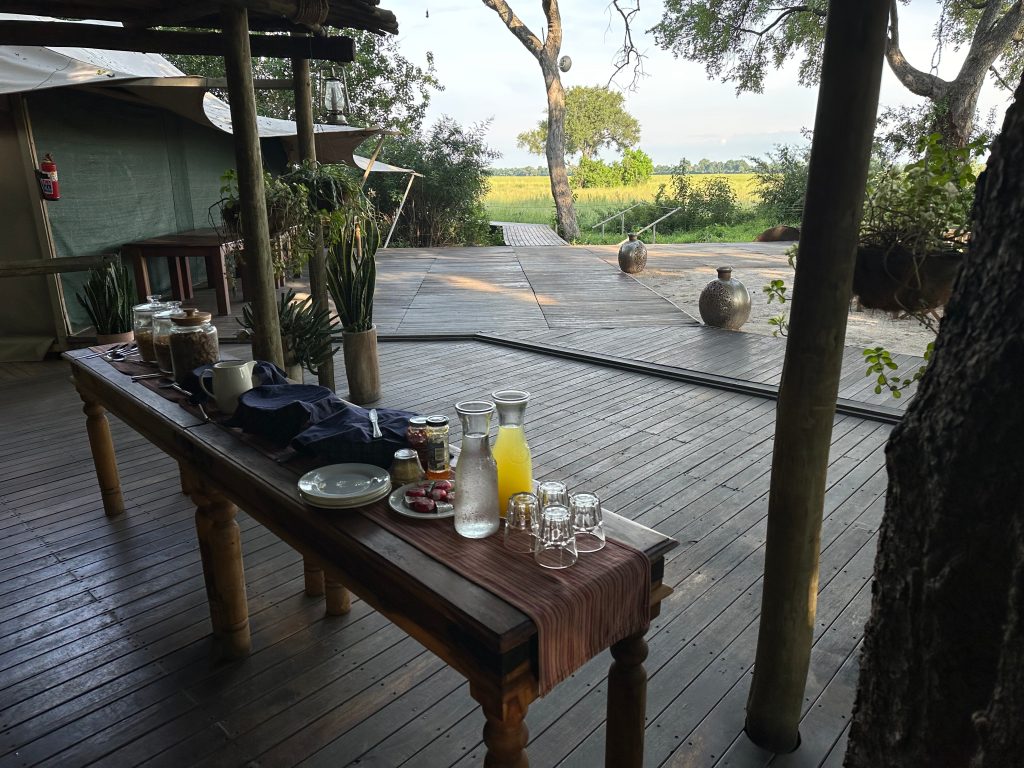
Botswana’s national dish is seswaa, beef or goat boiled slowly with onion and salt then shredded and pounded, served over pap or bogobe with morogo greens on the side. The cooking is plain, beef-centred and built around porridges of maize and sorghum. Botswana is a southern African country with a substantial cattle industry, where most safari visitors eat international lodge cooking and have to seek out the local food deliberately.
Seswaa, the National Dish of Botswana
If you eat one Botswanan dish, this is it, and the recipe is almost aggressively simple.
Beef, goat, lamb or chicken goes into a three-legged cast iron pot over the fire with onion, pepper and, as Batswana put it, just enough salt. It boils slowly for a couple of hours until it falls apart, then gets shredded and pounded.
Adding anything beyond that is considered close to an offence. No herbs, no spice blend, no stock. The point is the meat and the texture, and cooks are judged on tenderness rather than seasoning.
Seswaa is served over pap, sometimes ladled into shared bowls and eaten slowly and communally. It appears at weddings, funerals and festivals, cooked in enormous quantities, and that association with gathering is much of why it holds the status it does.
It also reflects a history where meat was a luxury for many households, which explains why the dish makes a great deal out of very little.
Pap, Bogobe and the Staples of Botswanan Cooking
Almost every traditional meal here is built on a porridge, and knowing the three names saves confusion at a table.
Pap, also called phaletshe, is stiff white maize meal cooked with water until it holds its shape. It is eaten across southern Africa under various names and works as a vessel for soaking up juices rather than as a flavour in itself.
Bogobe is the sorghum version, softer and slightly sour, and older than maize in this part of the world. Bogobe jwa lerotse is a variation thickened with the lerotse melon, which tastes closer to cucumber than watermelon, and often finished with sour milk.
Dikgobe is the one to ask for if you do not eat meat. It is a savoury porridge of maize meal or sorghum cooked with beans, cowpeas or samp, filling and genuinely good, and served at family gatherings in its own right rather than as a side.
Madila is traditional soured milk, drunk on its own or stirred into porridge, and it divides visitors sharply.
If you are vegetarian, ask for dikgobe and morogo rather than trying to have a meat dish adapted. Both are traditional dishes in their own right rather than compromises, and both are widely available in local restaurants.
Morogo and Vegetable Dishes in Botswana
Morogo is the green that appears beside nearly everything, and it is not one plant but a category.
The name covers a range of wild leafy greens, commonly including pumpkin leaves, cowpea leaves and various wild spinaches, gathered according to what is in season. The taste is more bitter than cultivated spinach and considerably more interesting.
Preparation is straightforward: sautéed with onions and tomatoes, sometimes garlic, often finished with butter. Some cooks serve it plain. Paired with pap it delivers vitamin A, vitamin C, calcium, magnesium and iron, which mattered a great deal historically and still does.
Other vegetable dishes lean on beans, cowpeas and squash, with relishes cooked to accompany a starch rather than stand alone.
Ditloo, an African legume also known as jugo or nyimo beans, is soaked overnight and cooked in stews or ground into flour for porridge, and served as a protein source when meat is scarce.
Mopane Worms and Botswana’s Bush Foods
The dish everybody asks about, and the one worth trying if you have any appetite for it.
Mopane worms are the caterpillar of the emperor moth, harvested from mopane trees, then dried or smoked to preserve them. They are eaten as a snack, added to stews, or served in tomato sauce or peanut sauce.
They are high in protein and calcium, and for many rural households they have been a reliable food source for generations rather than a novelty. The texture is crunchy when dried and softer when stewed.
Biltong, air-dried cured beef, is ubiquitous across the region and sold everywhere from supermarkets to fuel stations. It is a good thing to have in the vehicle on a long drive.
Game meat appears on menus at some lodges and restaurants, and the ethics of it are more straightforward here than visitors sometimes assume, since it comes from farmed rather than wild sources.
Grilled Meat, Fried Breads and Everyday Eating
Away from the ceremonial dishes, everyday Botswanan food is meat and starch, cooked simply.
Chotlho is barbecued or roasted meat, usually beef, goat or chicken, seasoned and cooked over open flame, served with pap and morogo. Braai culture is strong here as across southern Africa.
Vetkoek, meaning fat cake, is a fried dough ball eaten plain, with jam or split and filled with mince. It is sold from roadside stalls and is the closest thing Botswana has to a street food staple.
Matemekwane are steamed or fried dumplings, sometimes stuffed with meat or vegetables, served alongside a stew.
A seswaa sandwich, the shredded meat between bread with a sauce, is a modern town snack and a good lunch.
Beef dominates because Botswana’s cattle industry is substantial, protected by the veterinary control fences that divide the country into disease zones. The quality is high and the country exports to demanding markets.
Try first. Seswaa with pap and morogo, the national plate. Dikgobe if you do not eat meat. Chotlho grilled meat. Vetkoek from a roadside stall.
Try if curious. Mopane worms, dried or in tomato or peanut sauce. Madila soured milk. Bogobe jwa lerotse melon porridge. Ditloo beans.
Everywhere and easy. Biltong from any supermarket or fuel station, good for long drives. Braai grilled meat. Fresh bread and matemekwane dumplings.
Eating at Safari Camps Versus Eating Locally
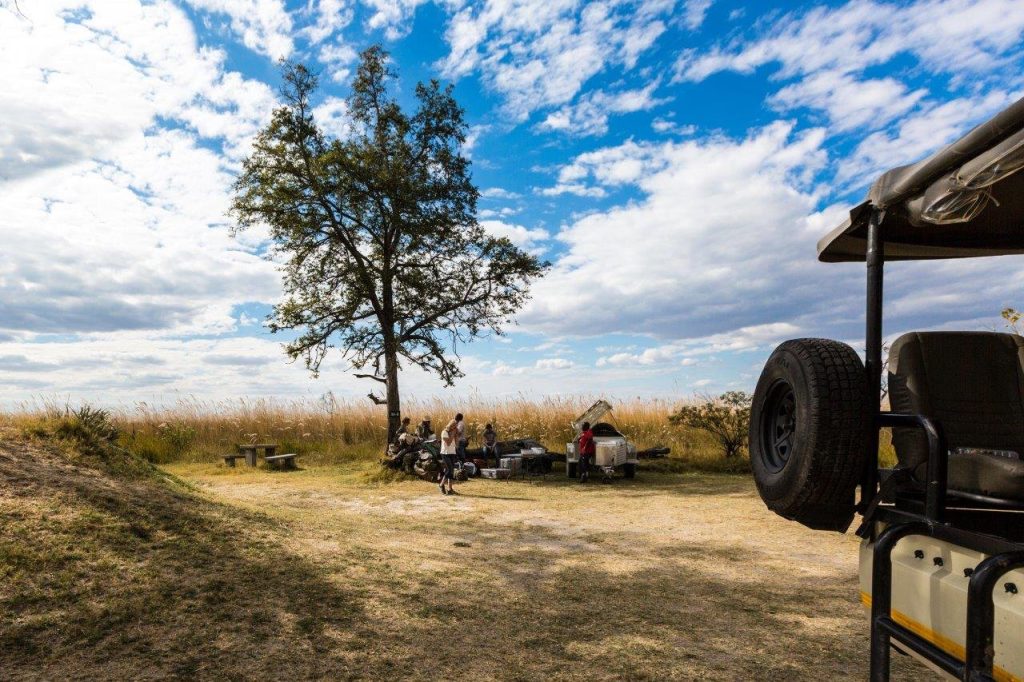
Here is the honest position, and it is worth knowing before you plan a food-focused trip.
Safari camps serve international cooking to a high standard. Meals are included in the rate, dietary requirements are accommodated with notice, and the quality from a good bush chef is genuinely high given the logistics. What it usually is not is Botswanan.
Some camps include a traditional evening or serve local dishes alongside the international menu, and a few make more of it than that. Ask when booking if it matters to you.
To eat properly local, you need to eat in town. Local restaurants and eateries in Gaborone, Francistown, Maun and Kasane serve seswaa, pap, morogo and the rest at modest prices, and this is where the food actually lives.
Self-drive travellers have the easiest time of it, since supermarkets in the main towns stock everything and roadside stalls sell vetkoek and grilled meat along the main routes.
Botswana is not a food destination and nobody here pretends otherwise. What it has is a small number of dishes done properly, and seswaa cooked well over a fire is worth going out of your way for.
Where to Try Traditional Food in Botswana
A few practical routes to the real thing.
Local restaurants in Gaborone are the most reliable, since the capital has the widest range and several places specialising in traditional Setswana cooking. Francistown and Maun both have options too.
Markets sell prepared food alongside produce, and this is where you will find vetkoek, grilled meat, dried mopane worms and seasonal morogo.
Cultural village tours frequently include a traditional meal cooked over a fire, which is the most contextual way to eat it and comes with an explanation of what you are eating.
Ask camp staff where they eat when they are home. Botswanan staff are usually delighted to be asked about food, and the recommendation will be better than anything in a guidebook.
Frequently Asked Questions About Food in Botswana
What is the national dish of Botswana?
Seswaa, made from beef, goat, lamb or chicken boiled slowly in a cast iron pot with onion, pepper and salt for around two hours until tender, then shredded and pounded. Adding anything else to the recipe is strongly frowned upon by Batswana. It is served over pap or bogobe, often with morogo greens, and traditionally ladled into shared bowls. Seswaa appears at weddings, funerals and festivals, and its association with communal gathering is central to its status.
What is the difference between pap and bogobe?
Pap, also called phaletshe, is stiff white maize meal cooked with water until it holds its shape, and it is eaten across southern Africa under many names. Bogobe is the sorghum version, softer and slightly sour, and older than maize in the region. Bogobe jwa lerotse is a variation thickened with lerotse melon, which tastes closer to cucumber than watermelon, and is often finished with sour milk. Both function as a starch to soak up juices.
Can vegetarians eat well in Botswana?
In safari camps, easily, since they serve international menus and accommodate dietary requirements with notice. In traditional cooking it takes a little more asking, though there are genuine options rather than compromises. Dikgobe is a savoury porridge of maize or sorghum with beans, cowpeas or samp, served as a dish in its own right. Morogo is wild leafy greens sautéed with onions and tomatoes. Ditloo beans and various vegetable relishes are also widely available.
What are mopane worms and should I try them?
They are the caterpillar of the emperor moth, harvested from mopane trees and then dried or smoked to preserve them. They are eaten as a snack or added to stews, and served in tomato or peanut sauce. High in protein and calcium, they have been a dependable food source for rural households for generations rather than a curiosity. Texture is crunchy when dried and softer when stewed. Worth trying if you have any appetite for it.
What food do safari camps in Botswana serve?
International cooking to a high standard, included in the rate, with dietary requirements accommodated given notice. The quality from a good bush chef is remarkably high considering everything arrives by light aircraft. What it usually is not is Botswanan food. Some camps include a traditional evening or offer local dishes alongside the main menu, so ask when booking. To eat properly local, plan a meal in Maun, Kasane, Francistown or Gaborone.
Is the food safe to eat in Botswana?
Broadly yes. Safari camp kitchens operate to high standards and food-borne illness at a reputable camp is uncommon. Tap water in Gaborone, Maun, Kasane and other towns is treated and widely considered safe, and camps supply filtered or bottled water. In remote villages use bottled or treated water. Standard precautions handle the rest: eat food that is properly cooked and served hot, be cautious with salads washed in untreated water, and peel fruit yourself.
Booking Your Botswana Trip
The safari companies and tour operators listed on this website put trips like this together for a living and know which camps, guides and routes actually deliver. We are an independent guide to Botswana; we do not book or sell tours ourselves.
When you are ready, arrange your safari, tour or holiday with one of the recognised operators listed here. Tell them your dates and what matters most, and a real person, not a form, will handle the itinerary, park bookings and logistics for you.