Cultural Village Tours in Botswana
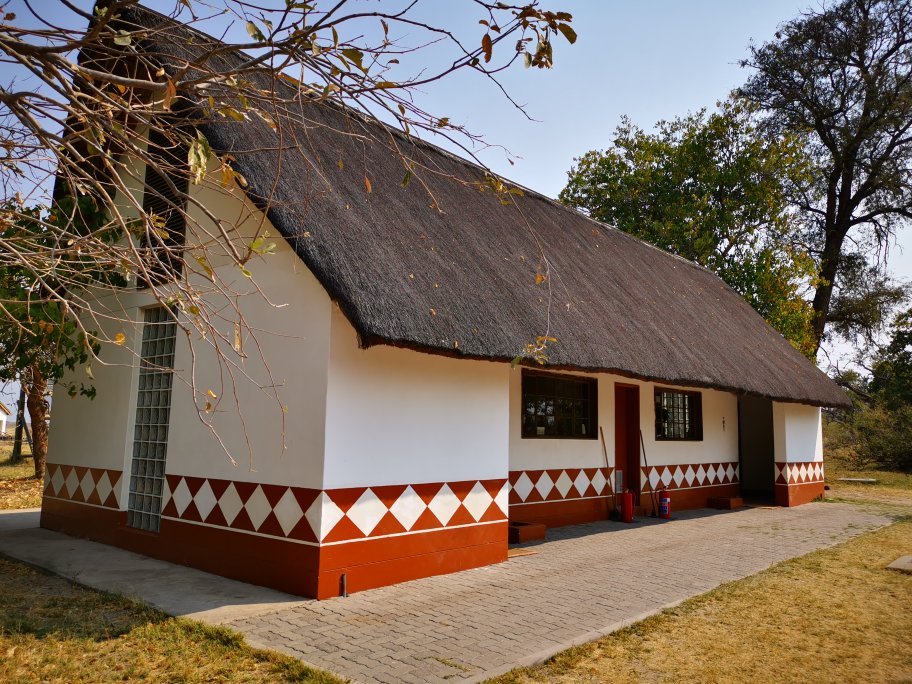
Cultural village tours in Botswana range from community-run visits where residents lead the day and keep the revenue, to staged arrangements where a village is used as a backdrop. The difference is entirely in who owns it, and it is a fair question to put to an operator. Khwai, D’Kar and the villages of the Okavango Panhandle offer the most substantial visits, and traditional food is frequently the best part.
What a Village Tour Involves
The format varies and the better ones share a shape.
A guide from the community leads you through the village, explaining how households are arranged, how homes are built and what people actually do for a living, which in most of rural Botswana means cattle, crops and increasingly tourism.
Demonstrations frequently include cooking, basket weaving, pottery or traditional building, depending on what the village is known for.
A meal is often included, and this is where visitors get their only real chance at Setswana food, since seswaa, bogobe and morogo are home cooking rather than restaurant fare.
Dance and music may feature, and how staged that feels varies enormously between operations. At its best it is a group performing something they perform anyway; at its worst it is a routine assembled for visitors and repeated several times a week, and the difference is usually obvious from the faces.
Half a day is the usual length, and visits are typically arranged through a lodge, a community trust or an operator rather than turning up. Arriving unannounced at a village is not the way this works anywhere in Botswana, and it is the single most common complaint communities make about tourists.
A village tour is the only realistic chance most visitors get to eat proper Setswana food, because seswaa and bogobe are cooked at home and at gatherings rather than sold in restaurants.
Where to Go
Several areas run village visits with genuine community involvement.
Khwai beside Moremi is owned and managed by Khwai Village through a community trust, with lodge lease revenue flowing directly to residents. Cultural tours can be arranged through the trust or the lodges along the river.
D’Kar near Ghanzi is a Naro San village holding the Kuru Art Project cooperative gallery, with the community-owned Dqãe Qare reserve nearby.
Panhandle villages along the Okavango, including the Etsha settlements, are the centre of Botswana’s basket weaving and hold HaMbukushu and BaYei communities.
Khumaga on the Boteti offers cultural excursions arranged through the lodges on that stretch.
Mmatshumo near Kubu Island works through the Gaing O Community Trust, which manages the island itself.
Around Gaborone, the Phuthadikobo Museum at Mochudi covers Bakgatla history and culture and pairs with the Matsieng site nearby.
Judging Whether a Tour Is Worth Taking
The questions are the same ones that apply to San cultural tourism and they are worth asking every time.
Who owns the operation? A community trust, a village cooperative or an outside operator paying a fee are three quite different arrangements.
Where does the money go? Lease fees to a trust that distributes them is a different proposition from a per-head payment to whichever family is on duty.
Has the operator selling it actually been? Somebody who has experienced the visit knows whether it is genuine and whether the hosts are comfortable, and somebody selling it blind does not.
Do residents lead it, or are they the subject of it? That distinction is visible within about ten minutes of arriving.
Reputable operators answer these directly. Evasion is informative.
How to Behave
The complaints are consistent across the country and easily avoided.
Greet people properly before anything else. In Setswana, dumela rra to a man and dumela mma to a woman, followed by asking how they are, is the expected opening and skipping it reads as rudeness.
Do not enter homes or private space without being invited, and do not wander off from the guide into parts of a village you have not been shown.
Ask before photographing anyone, every time, and accept refusal without argument. Photographing children needs the same permission from an adult.
Dress modestly. Rural Botswana is conservative, and covered shoulders and knees are appropriate.
Do not give money or sweets to children, which encourages begging and undermines the household economy the tour is supposed to support. Buy crafts instead.
Community trust-run. Khwai, D’Kar and Mmatshumo, where a village trust owns and manages the operation and revenue flows to residents. The arrangement most worth supporting.
Lodge-arranged. Visits organised by a camp with a nearby village, common along the Boteti, in the Panhandle and around Maun. Quality depends entirely on the relationship between camp and village.
Museum-based. Phuthadikobo at Mochudi, Supa Ngwao at Francistown, Khama III Memorial at Serowe and Nhabe at Maun. No ethical complexity, less immediacy.
The Kgotla
Worth knowing about, because it explains a great deal about how rural Botswana works.
The kgotla is the traditional community meeting place and customary court, presided over by the chief or headman, where village matters are discussed in public.
It is not a museum piece. Kgotla meetings still function as a genuine forum for local decision-making, and Botswana’s political culture draws on the tradition directly, with government consultations frequently taking the form of kgotla meetings.
Moremi Game Reserve was proclaimed at a kgotla in 1963, which is why the reserve exists at all.
Visitors may be shown the kgotla on a village tour and should not wander into proceedings, though passing by and looking is normal.
The one at Serowe sits below Serowe Hill and holds a statue of Sir Seretse Khama.
The word carries into the language and the culture more broadly. Botswana’s tradition of public consultation, its reputation for stable governance and the expectation that leaders explain themselves to the people they lead are all frequently traced back to the kgotla system, which is a considerably more interesting thing to be shown on a village tour than a demonstration of thatching.
Food and Crafts
The two things most likely to make a visit memorable.
Traditional dishes worth trying include seswaa, pounded meat cooked slowly and served with bogobe or pap, morogo, the wild greens cooked like spinach, dikgobe, a bean and maize mix, and phane, the mopane worms that are a genuine delicacy here.
Drinks may include gemere, a homemade fizzy ginger beer, and mageu, a smooth drink made from leftover porridge.
On crafts, buy directly. Botswana’s basketry from the Panhandle villages is among the finest in southern Africa, and San art through the D’Kar cooperative reaches the artists rather than a middleman.
Ask what something is and how it was made. Most makers are pleased to explain and it turns a transaction into a conversation.
Language is worth a word too. Setswana is the national language and English the official one, so you will be understood almost everywhere, but the country is more varied than that suggests. Ikalanga is widely spoken in the northeast, Sesarwa is the most common language in the Ghanzi District, and Shekgalagadi, Herero and Mbukushu all have substantial communities. Asking what people speak locally usually produces a longer answer than expected.
Bargaining is not really the custom in Botswana the way it is elsewhere, and haggling hard over a basket that took a week to weave reads badly. Prices at cooperatives are usually fixed and set by the makers themselves, which is rather the point of a cooperative.
Learn two words before you go. Dumela is hello and ke a leboga is thank you, and using them changes how a village visit starts. Botswana is a country where greeting properly matters and skipping it is noticed.
Frequently Asked Questions About Cultural Village Tours
Where can you do a village tour in Botswana?
Khwai beside Moremi, owned and managed by the village through a community trust, is among the best. D’Kar near Ghanzi is a Naro San village with a cooperative art gallery and the community-owned Dqãe Qare reserve nearby. Panhandle villages including the Etsha settlements are the centre of Botswana’s basket weaving. Khumaga on the Boteti and Mmatshumo near Kubu Island both run visits through local trusts.
How do I know if a village tour is ethical?
Ask four questions. Who owns the operation, since a community trust, a village cooperative and an outside operator paying a fee are quite different arrangements. Where does the money go. Has the operator selling it actually been. And do residents lead the visit or are they the subject of it, which is visible within ten minutes of arriving. Reputable operators answer directly and evasion is informative.
What should I not do on a village visit?
Do not skip the greeting, since dumela rra or dumela mma followed by asking how someone is, is the expected opening and omitting it reads as rudeness. Do not enter homes uninvited or wander off from the guide. Do not photograph anyone without asking every time, including children, for whom permission comes from an adult. Do not give money or sweets to children, which encourages begging. Buy crafts instead.
Can you eat traditional food on a village tour?
Usually, and it is frequently the best part, because it is the only realistic chance most visitors get. Seswaa, bogobe, morogo and dikgobe are home cooking served at family and community gatherings rather than sold in restaurants, so a village meal or a cooking demonstration is where you meet them. Drinks may include gemere, a homemade fizzy ginger beer, and mageu, made from leftover porridge.
What is a kgotla?
The traditional community meeting place and customary court, presided over by the chief or headman, where village matters are discussed in public. It is not a museum piece: kgotla meetings still function as a genuine forum for local decision-making, and government consultations frequently take that form. Moremi Game Reserve was proclaimed at a kgotla in 1963. Visitors may be shown one and should not wander into proceedings.
Should I bargain when buying crafts?
Not hard. Bargaining is not really the custom in Botswana the way it is in some countries, and haggling aggressively over a basket that took a week to weave reads badly. Buy directly from makers or cooperatives rather than curio shops, since Panhandle basketry is among the finest in southern Africa and San art through the D’Kar cooperative reaches the artists rather than a middleman. Asking how something was made is usually welcome.
Booking Your Botswana Trip
The safari companies and tour operators listed on this website put trips like this together for a living and know which camps, guides and routes actually deliver. We are an independent guide to Botswana; we do not book or sell tours ourselves.
When you are ready, arrange your safari, tour or holiday with one of the recognised operators listed here. Tell them your dates and what matters most, and a real person, not a form, will handle the itinerary, park bookings and logistics for you.