Boteti River
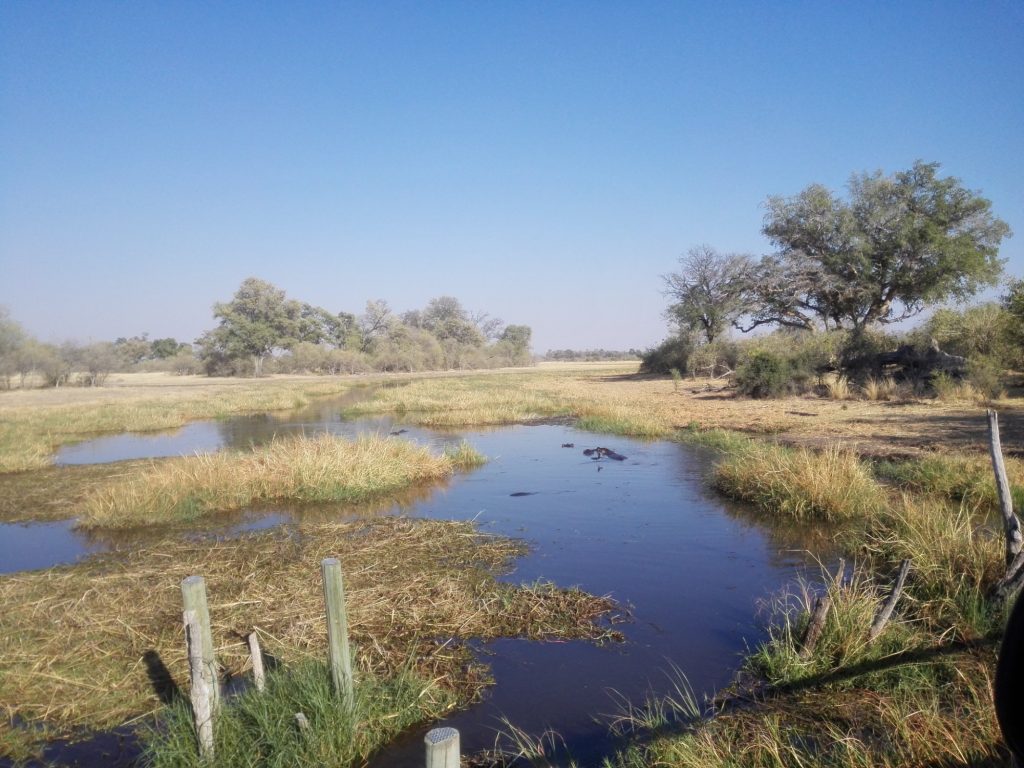
The Boteti is the last outflow of the Okavango Delta, carrying water southeast toward the Makgadikgadi and forming the western boundary of Makgadikgadi Pans National Park. It goes dry for years at a stretch and then returns, and when it flows it becomes the only permanent water for a very long way, drawing tens of thousands of zebra and wildebeest through the dry season. It is one end of Africa’s longest terrestrial mammal migration.
The Delta’s Last Finger
Knowing where the Boteti sits in the wider system explains why it behaves as it does.
The Okavango arrives from Angola, spreads across the Kalahari and mostly evaporates. A small proportion escapes at the Delta’s southeastern edge and runs on as the Boteti, heading toward the Makgadikgadi pans before disappearing into the sand.
That makes it the Delta’s last finger, and it depends entirely on how big the Okavango flood is in any given year. In good years the Boteti runs strongly and spills toward the pans. In poor years no water reaches it at all.
Long dry spells are part of the pattern. The riverbed has spent years as a sandy channel with shrinking waterholes where zebra jostle for space under sheets of dust.
When the water does return, it comes gradually, arriving at Motopi some tens of kilometres upstream before advancing along the western edge of the national park over following days.
Researchers based here have described standing at the advancing head of the returning river, dipping their toes in, while zebra and wildebeest came down the banks and plunged in behind them.
The Boteti and the Zebra Migration
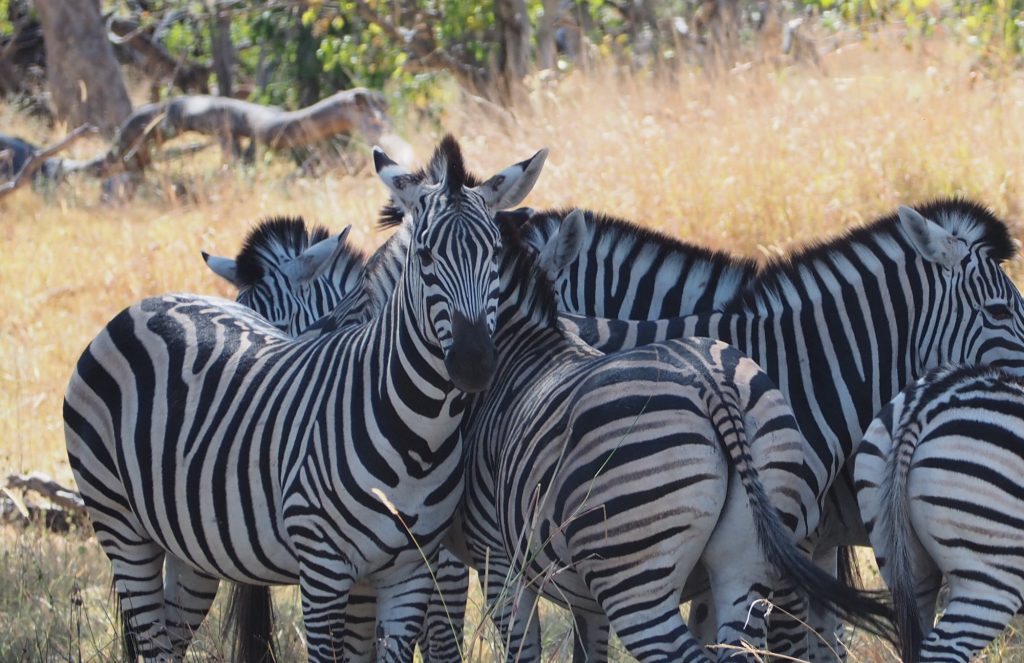
This is the river’s central role and it is one of the least publicised wildlife spectacles in Africa.
Through the dry season the interior of Makgadikgadi Pans National Park holds no water, so tens of thousands of zebra and wildebeest make the Boteti their dry-season range. Numbers along the river usually peak between June and October.
Once the rains arrive around November, the herds abandon the river and move east onto the pans, where rain produces short mineral-rich grazing. They return to the Boteti from around April or May as the pans dry.
Some animals go considerably further. Satellite tracking has established that a group leaving the Makgadikgadi in March walks north all the way to the Chobe River, which is the longest recorded terrestrial migration in Africa.
Not all of them move. Research indicates that only around 55 percent of the zebra migrate, with the rest remaining in the Okavango area year round. Nobody has satisfactorily explained why.
How Fences Stopped the Migration
The Boteti holds a conservation story worth knowing, because it shows what a single decision can do to a system.
Veterinary cordon fences were erected across Botswana from the nineteen fifties and sixties to separate livestock from wildlife and control the spread of foot and mouth disease. They ran for hundreds of kilometres across the country.
The consequence for wildlife was severe. Fences cut directly across ancient migration routes, and in the Boteti case the movement between the Okavango and the Makgadikgadi stopped entirely. During drought years animals died in numbers against fence lines they could not cross to reach water.
Fence realignment and removal changed that. Taking down the fence along the Boteti allowed the migration to resume, and the annual movement between the river and the pans has been running since.
It remains a live management question, since the fences serve a genuine agricultural purpose and the cattle industry matters to Botswana’s economy.
Wildlife Along the Boteti
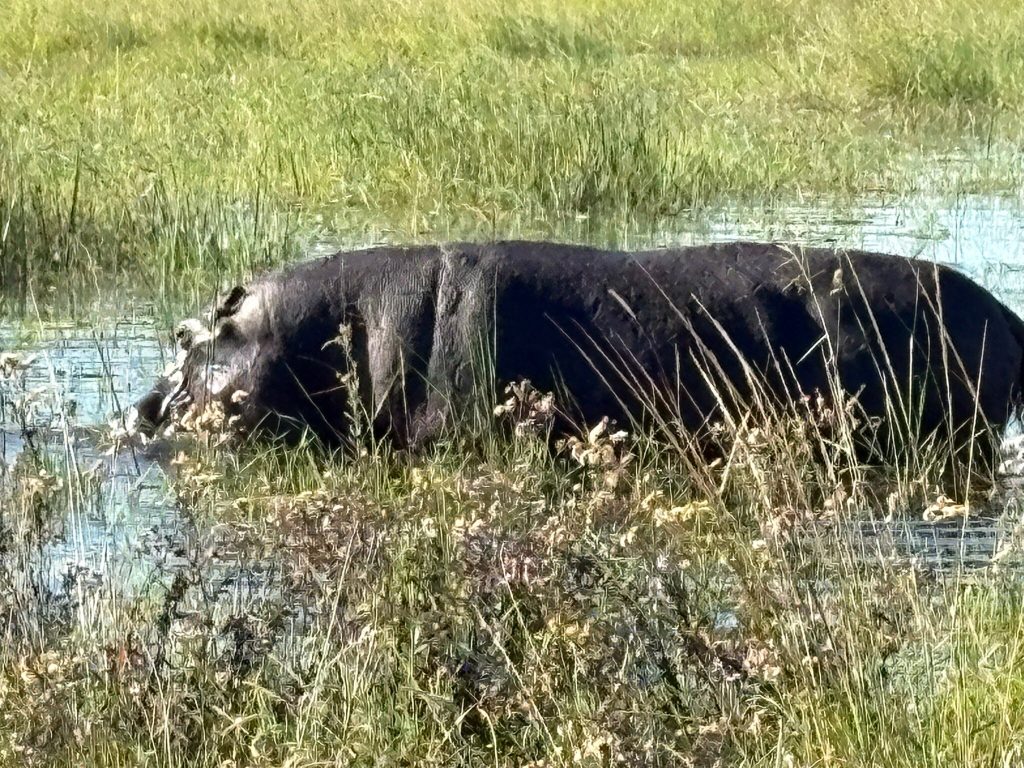
Beyond the zebra, the river supports a fuller safari than the pans themselves can.
Elephant come to the Boteti in numbers when it flows, with big bulls playing in the water and browsing the reeds. This is the most reliable elephant viewing in the Makgadikgadi region.
Lion hold territory along the river and are active enough that livestock from the community side are rarely seen where the greatest densities of zebra and elephant occur, since domestic animals make easy prey.
Plains game crash through acacia, gather under palms and shelter in riverine woodland, keeping close to the water. Giraffe, kudu, impala, gemsbok and springbok all occur.
Birdlife along the banks is strong and becomes exceptional in the green season, when the banks turn to a quiet green corridor.
Hippo pools exist where water is deep enough, which is not every year.
Dry season, June to October. The Boteti’s peak, with tens of thousands of zebra and wildebeest concentrated on the only permanent water in the region, alongside elephant and the predators that follow them.
Wet season, November to March. Herds move east onto the pans for the fresh grazing. The riverbanks turn green and quiet, with excellent birdlife and dramatic sunsets, but far fewer large mammals.
April and May. The herds return from the pans as they dry out. A transitional period with movement in both directions and fewer visitors than the peak months.
Visiting the Boteti River
The Boteti offers a more conventional safari than the salt pans do, and the two complement each other well.
The river forms the northwestern boundary of Makgadikgadi Pans National Park, with the park on one side and community land with villages and cattle on the other. That divide is visible and it is not unusual to see zebra grazing among cattle on the community side.
Khumaga, also spelled Xhumaga, is the village on the western bank and the main access point. A public campsite operates in the park at Khumaga.
Three established lodges work this stretch, offering guided game drives focused on the river, boat trips when water levels allow, and hides where you wait for wildlife to come to you rather than driving to find it.
Cultural excursions to Khumaga village can be arranged, along with day trips to Nxai Pan and Baines’ Baobabs on longer stays, and sleep-outs on the salt pans.
Access is straightforward by Botswana standards, reachable from Maun by light aircraft or by tarred road for most of the way.
The Boteti Compared With the Salt Pans
Travellers often assume Makgadikgadi is one destination, and the two halves of the national park deliver quite different trips.
The eastern pans are about scale and strangeness: quad biking on the crust, meerkats, sleep-outs and the emptiest views in the country, with wildlife thin outside the green months.
The Boteti on the western boundary is a conventional safari river. Game drives, boat trips, hides, riverine woodland and large mammal concentrations through the dry season.
Although the park’s eastern edges touch the salt pans, visitors staying on the Boteti will most likely not see them, since the two are a considerable distance apart.
That is an argument for splitting a Makgadikgadi visit across both rather than assuming one covers the other, which needs three nights or more.
Ask what the river is actually doing before booking. The Boteti has spent years as a dry sandy channel and then returned, and a lodge photograph showing elephants in water may be from a very different year to the one you are travelling in.
Best Time to Visit the Boteti River
The Boteti runs on the opposite calendar to the pans it borders, which makes the pairing useful.
June through October is the peak, when the interior of the park is dry and the herds concentrate on the river. Numbers build through the season and October delivers the greatest concentration alongside the greatest heat.
Mobile camping operators locate camps in the Khumaga area during exactly these months for that reason.
November through March empties the river of large herds as they move east to the pans. Operators running trips in these months place camps on the eastern grasslands instead.
April and May catch the return movement.
Whatever the month, the river’s flow varies year to year with the Okavango flood, so current conditions matter more than the calendar.
Frequently Asked Questions About the Boteti River
Where does the Boteti River come from?
It is the last outflow of the Okavango Delta, carrying a small proportion of the Delta’s water southeast toward the Makgadikgadi pans before it disappears into the sand. Because it depends entirely on how large the Okavango flood is in a given year, the Boteti runs strongly in good years and receives no water at all in poor ones. It has spent years at a time as a dry sandy channel with only shrinking waterholes remaining.
When is the best time to see the zebra migration on the Boteti?
June through October, when the interior of Makgadikgadi Pans National Park holds no water and tens of thousands of zebra and wildebeest make the river their dry-season range. Numbers usually peak in that window. From around November the herds move east onto the pans for the fresh mineral-rich grazing the rains produce, returning to the Boteti from about April or May as the pans dry out again.
How did fences affect the Boteti migration?
Veterinary cordon fences erected across Botswana from the nineteen fifties and sixties to separate livestock from wildlife cut directly across ancient migration routes, and the movement between the Okavango and the Makgadikgadi stopped completely. Animals died against fence lines they could not cross to reach water during droughts. Removing the fence along the Boteti allowed the migration to resume, and the annual movement between river and pans has been running since.
Can you see elephants on the Boteti River?
Yes, and it is the most reliable elephant viewing in the Makgadikgadi region when the river is flowing. Big bulls come down to play in the water and browse the reeds, particularly toward the end of the day. Elephant numbers here fell noticeably during a dry spell when the river failed, and researchers working in the area were genuinely concerned the animals might leave the park permanently before the water returned.
Where do you stay on the Boteti River?
Three established lodges work this stretch alongside a public campsite in the national park at Khumaga. Lodges offer guided game drives focused on the river, boat trips when water levels allow, and hides where wildlife comes to you. Cultural excursions to Khumaga village can be arranged, with day trips to Nxai Pan and Baines’ Baobabs and salt pan sleep-outs on longer stays. Access is by light aircraft from Maun or by tarred road for most of the way.
Is the Boteti River the same as the Makgadikgadi salt pans?
No, and the difference matters when planning. The Boteti forms the western boundary of Makgadikgadi Pans National Park and offers a conventional river safari with game drives, boat trips and hides. The salt pans on the eastern side are about scale and strangeness, with quad biking, meerkats and sleep-outs. Staying on the Boteti you will most likely not see the pans at all, since the two are a considerable distance apart.
Booking Your Botswana Trip
The safari companies and tour operators listed on this website put trips like this together for a living and know which camps, guides and routes actually deliver. We are an independent guide to Botswana; we do not book or sell tours ourselves.
When you are ready, arrange your safari, tour or holiday with one of the recognised operators listed here. Tell them your dates and what matters most, and a real person, not a form, will handle the itinerary, park bookings and logistics for you.