Malaria in Botswana
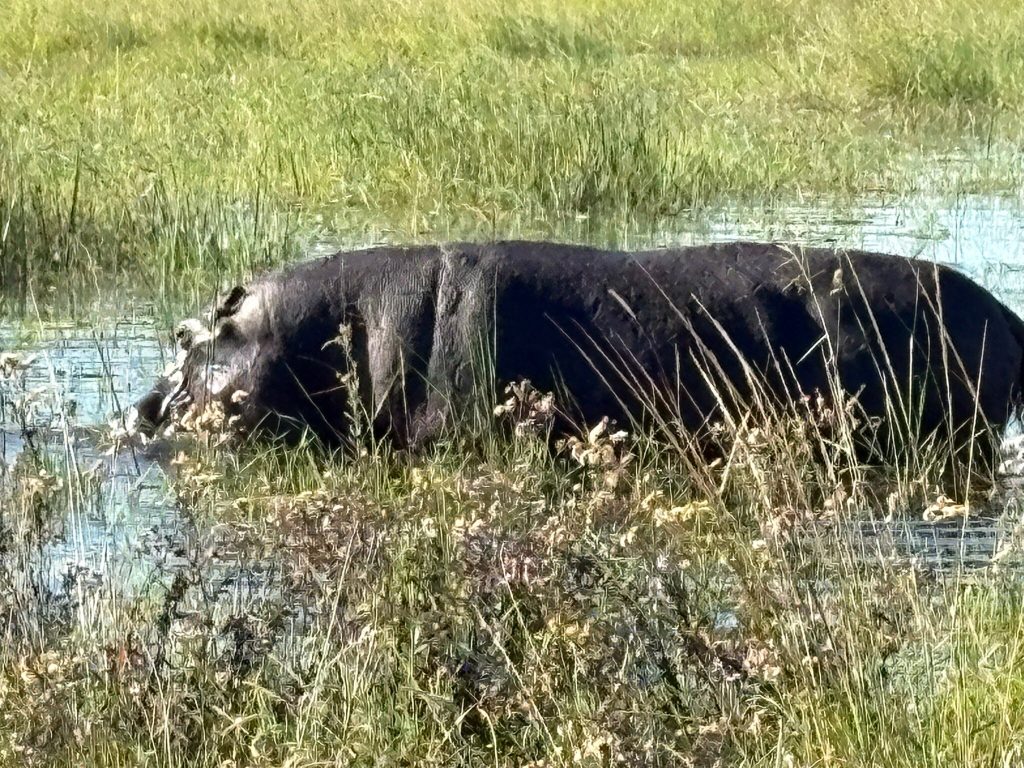
Malaria risk in Botswana is confined largely to the north, covering the Okavango Delta, Chobe and the Ngamiland district, while the southern half of the country including Gaborone, the Kalahari and the Tuli Block carries little to no risk. Transmission peaks during and after the summer rains. Botswana is a southern African safari country where the wildlife areas most visitors travel to sit inside the higher-risk zone, making prophylaxis a conversation worth having with a travel clinic well before departure.
Where Malaria Risk Sits on a Botswana Safari
Botswana splits neatly, and knowing which half your itinerary falls in changes the answer entirely.
The higher-risk north covers the districts of Chobe and Ngamiland, meaning Chobe National Park, the Okavango Delta, Moremi, Linyanti and Savuti, along with the areas bordering Namibia, Zambia and Zimbabwe. Health authorities commonly draw the line around 22 degrees south, taking in parts of Central, Ghanzi and North-East districts including Francistown.
Central Botswana runs low to medium risk, with the level often judged insufficient to warrant tablets for most travellers though still worth considering for anyone at higher personal risk.
The southern half is low to no risk. Gaborone itself has no risk.
A classic Botswana safari means Delta and Chobe, so most visitors are travelling into the part that carries risk, which is why the question comes up on nearly every booking.
When Malaria Transmission Peaks in Botswana
Risk is present year round in the northern districts and rises sharply with the rains.
The dangerous window runs from roughly November through May or June, peaking through the wet months of January to March when standing water gives mosquitoes places to breed and warmth and humidity speed the cycle. Mosquito numbers in March are particularly high.
Through the dry winter, from June to October, risk falls to its yearly low. Humidity drops to between 20 and 40 percent, standing water disappears, and mosquito numbers become minimal. Plenty of guides regard June through August as the most comfortable months of a Botswana safari partly for this reason.
Low is not zero. Northern camps still recommend precautions in August, and a fever after a winter trip still warrants a test.
Higher risk, November to May. Rains bring standing water and peak mosquito numbers, with March often the worst. This is green season in the north and peak season in the Kalahari, where risk is much lower.
Lower risk, June to October. Dry, low humidity, minimal mosquitoes. Peak safari season in the Delta and Chobe. Precautions still advised in the northern districts.
Antimalarial Options for a Botswana Safari
Three drugs are prescribed for the region, and choosing between them is a medical decision made with a doctor who knows your history rather than something to work out from a website. What follows is background for that conversation.
Atovaquone with proguanil is the option most safari travellers end up on. It is taken daily, started shortly before entering the risk area, and continued for a week after leaving. Side effects are usually mild and it suits short trips well. It is the priciest of the three.
Doxycycline is taken daily, started a day or two before, and continued for four weeks after leaving, which is the drawback for a short holiday. It is inexpensive and effective. It causes marked sun sensitivity, which is a real consideration on open game vehicles in a country this bright, and it can interfere with oral contraceptives.
Mefloquine is weekly rather than daily, which appeals for longer trips, and is begun a week or two ahead. It carries a risk of neuropsychiatric effects and is not prescribed to anyone with a history of seizures or psychiatric illness.
Start any course early enough to find out whether you tolerate it before you are somewhere remote. Report side effects to your doctor, since switching to an alternative is straightforward if done in advance.
Book the travel clinic appointment six to eight weeks before departure. That leaves room to start a course, discover it does not suit you and change to something else without disrupting the trip.
Preventing Mosquito Bites on Safari
Tablets are only half of it, and the half people concentrate on. Bite prevention does at least as much work.
The mosquito that carries malaria feeds from dusk through the night, so the evening routine matters more than the daytime one. Change into long sleeves and long trousers before sundowners rather than after dinner. Cover ankles, which is where bites are most often collected under a dinner table.
Use a repellent containing DEET on exposed skin and reapply it. Camps supply treated mosquito nets and most spray tents in the evening while you are out on a drive, so sleep under the net rather than pushing it aside because the room feels sealed.
Neutral clothing helps for an unrelated reason too, since tsetse fly are drawn to dark blue and black.
Malaria Free Safari Alternatives in Southern Botswana
Families with young children, pregnant travellers and anyone who would rather not take tablets have a genuine option here, and it is one of the more useful things to know about the country.
Southern Botswana is considered malaria free. That covers the Kalahari, the area around Gaborone, and the Tuli Block on the South African border. These are drier, less hospitable to mosquitoes, and offer real safari rather than a consolation prize.
The Kalahari delivers black-maned lions, gemsbok, springbok, cheetah, brown hyena and meerkats, and it peaks from December through April, exactly when the northern parks carry their highest malaria risk. The Tuli Block holds elephant, leopard and good birding across sandstone country that looks nothing like the Delta.
Pairing a Kalahari trip with the green season solves two problems at once, giving you the desert at its best and avoiding the north when transmission is highest.
Higher risk areas. Okavango Delta, Moremi, Chobe, Linyanti, Savuti, Ngamiland and Chobe districts, Francistown and the northern borders. Prophylaxis usually advised, especially November to May.
Low or no risk areas. Central Kalahari, Makgadikgadi and Nxai Pan, Gaborone, the Tuli Block and the southern half of the country. Bite precautions rather than tablets for most travellers.
Recognising Malaria Symptoms After a Botswana Trip
This is the part that saves lives, and it applies after you get home rather than while you are away.
Symptoms resemble flu: fever, chills, headache, muscle aches, fatigue, sometimes nausea or diarrhoea. There is nothing distinctive about them, which is precisely the danger, because they get mistaken for a virus picked up on the flight.
Onset is usually a week or more after infection, and it can be much later. Symptoms sometimes appear months after leaving a risk area, and cases have developed up to a year later. Prophylaxis reduces risk substantially but does not eliminate it.
If you develop a fever during a Botswana trip or at any point afterwards, seek medical attention quickly and tell the doctor where you have travelled and when. A malaria test is quick. Treated early the illness is manageable, and the danger comes almost entirely from delay in diagnosis.
Tell any doctor who sees you in the twelve months after your trip that you have been to northern Botswana. Malaria is missed when the travel history is never mentioned.
Malaria Precautions for Families and Higher Risk Travellers
Children, pregnant travellers and anyone without a spleen or with a suppressed immune system need advice built around them, and the general guidance above is not a substitute for it.
Not every antimalarial suits every traveller. Some are unsuitable in pregnancy, some have weight thresholds for children, and one option used elsewhere requires testing for a specific enzyme deficiency before it can be prescribed at all. A travel clinic works through this properly.
For families uneasy about the whole question, the malaria-free south is a real alternative rather than a fallback. Plenty of operators build Kalahari and Tuli itineraries around families for this reason.
Botswana runs active malaria control programmes and case numbers have fallen substantially over the years, which is context worth having. It is not a reason to skip precautions in the Delta in February.
Frequently Asked Questions About Malaria in Botswana
Do I need malaria tablets for a Botswana safari?
For the northern parks, meaning the Okavango Delta, Chobe, Moremi and Linyanti, prophylaxis is usually recommended, particularly between November and May. For the Central Kalahari, Makgadikgadi, Gaborone and the Tuli Block, tablets are not normally advised because those areas carry little to no risk. Central Botswana sits in between and depends on your own risk profile. The decision belongs with a travel clinic that knows your medical history, ideally six to eight weeks before you fly.
Which parts of Botswana are malaria free?
The southern half is considered malaria free, including the area around Gaborone, the Kalahari and the Tuli Block on the South African border. These regions are drier and less suited to mosquitoes. They also offer serious wildlife, with black-maned Kalahari lions, cheetah, gemsbok, brown hyena and meerkats in the desert, and elephant and leopard in the Tuli. For families with young children or travellers who would rather avoid tablets, a southern itinerary is a genuine option rather than a compromise.
What is the best time to visit Botswana to avoid malaria?
June through October, the dry winter. Humidity falls to between 20 and 40 percent, standing water disappears and mosquito numbers drop to their yearly minimum. That window also happens to be peak game viewing season in the Delta and Chobe, so the two goals sit together well. Risk is reduced rather than removed, and precautions in the northern districts are still advised. The riskiest months are January through March, with March carrying particularly high mosquito numbers.
What are the symptoms of malaria and when do they appear?
Fever, chills, headache, muscle aches and fatigue, sometimes with nausea or diarrhoea. They resemble flu closely, which is why cases get missed. Onset is typically a week or more after infection but can be far later, sometimes months after leaving a risk area and occasionally up to a year. Seek medical attention quickly for any fever during or after a trip to northern Botswana, and tell the doctor your travel history so a test is done.
Which antimalarial is best for a Botswana safari?
That is a prescribing decision for a doctor rather than a choice to make yourself. Atovaquone with proguanil is the most commonly used for short safaris, taken daily and continued a week after leaving, with mild side effects in most people and a higher price. Doxycycline is cheaper and effective but continues for four weeks afterwards and causes sun sensitivity, which is awkward on open game vehicles. Mefloquine is weekly, which suits longer trips, but is unsuitable for anyone with a history of seizures or psychiatric illness.
Do safari camps in Botswana provide mosquito nets?
Almost all northern camps provide treated nets over the beds and many spray tents during the evening turndown while guests are out on a drive. Use the net rather than assuming a zipped tent is sealed. Repellent is your own responsibility, so bring a DEET-based product and reapply it, and change into long sleeves and trousers before sundowners rather than after dinner, since the mosquito that carries malaria feeds from dusk onwards.
Booking Your Botswana Trip
The safari companies and tour operators listed on this website put trips like this together for a living and know which camps, guides and routes actually deliver. We are an independent guide to Botswana; we do not book or sell tours ourselves.
When you are ready, arrange your safari, tour or holiday with one of the recognised operators listed here. Tell them your dates and what matters most, and a real person, not a form, will handle the itinerary, park bookings and logistics for you.