Chobe National Park
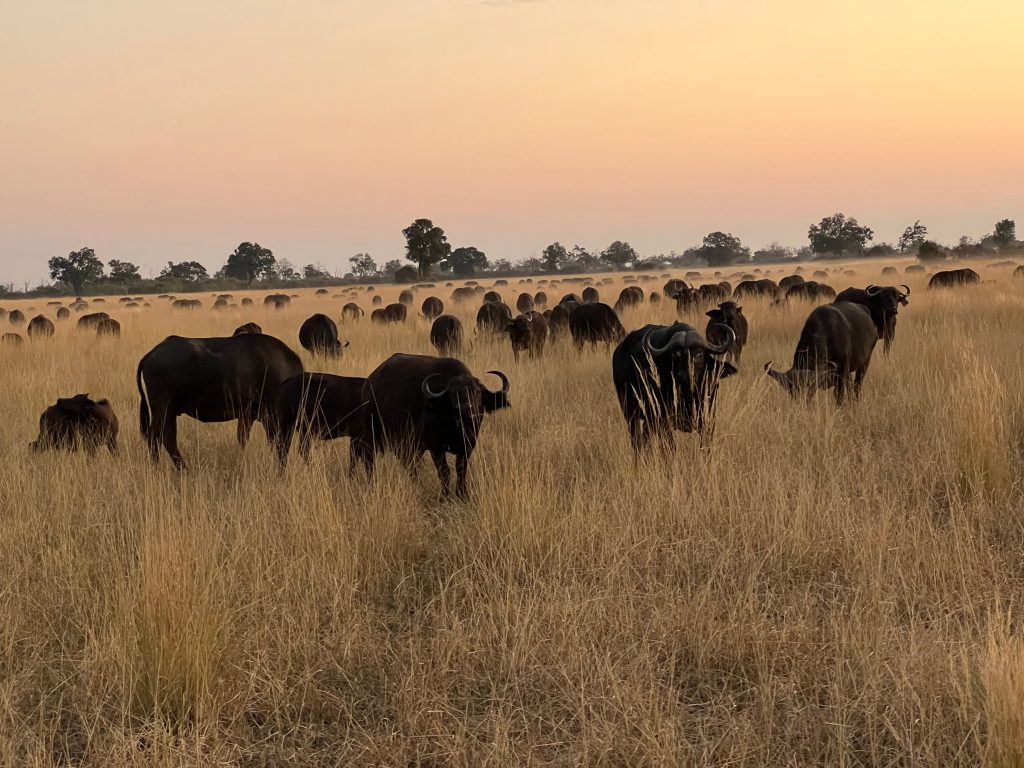
Chobe National Park is Botswana’s first national park and its most biologically diverse, covering roughly 11,700 square kilometres in the far north and holding one of the largest elephant populations on the continent. It divides into four distinct ecosystems: the Chobe riverfront at Serondela, the Savuti Marsh, the Linyanti Marshes and the dry Nogatsaa grass woodland. Chobe sits within the Kavango-Zambezi Transfrontier Conservation Area, the largest terrestrial conservation area in the world.
Where Chobe National Park Sits and How It Was Made
The park occupies Botswana’s northern corner, bordering Namibia’s Zambezi Region and touching Zimbabwe and Zambia, with the Chobe River forming its northeastern boundary before flowing on to join the Zambezi above Victoria Falls.
It was first protected as a game reserve at the start of the nineteen sixties and declared a national park later that decade, making it the country’s oldest. Sources differ by a year on both dates.
The park has a working history rather than a purely wild one. Serondela on the riverfront held industrial settlements built around a timber industry, and those settlements were moved out gradually, with the whole protected area only clear of human activity in the mid seventies. Traces of the old timber operation are still visible there.
Chobe is Botswana’s third largest protected area, after the Central Kalahari Game Reserve and the Gemsbok National Park.
Chobe is not one park with one character. It is four ecosystems inside one boundary, and the riverfront that most visitors see is the smallest and busiest of them.
The Chobe Riverfront and Serondela

The northeastern corner is what most people mean when they say Chobe, and it is the most productive stretch of wildlife viewing in Botswana.
Floodplains along the river back onto dense hardwood woodland of mahogany and teak, much of it now heavily reduced by elephant pressure, which is itself part of the story here.
Through the dry season the river becomes the only reliable water for a long way in any direction, so breeding herds of elephant come down to drink alongside giraffe, sable and buffalo. Several hundred elephants along one stretch of bank in an afternoon is an ordinary sight rather than an exceptional one.
Boat safaris from the river are what set this section apart, putting you at eye level with drinking elephant, surfacing hippo and crocodiles hauled out on sandbanks. Elephants cross to the islands and swim.
Sedudu Gate sits minutes from Kasane, which makes this the only major Botswana safari area reachable without a charter flight.
Savuti Marsh and the Channel That Comes and Goes

Southwest of the riverfront lies the Savuti section, built around a marsh of roughly 10,878 square kilometres fed by the Savuti Channel.
The channel is famously unpredictable. It stopped flowing for the better part of three decades before resuming, and the dead trees standing along its banks are the visible record of that. Water arrives and departs on a schedule nobody has satisfactorily explained.
The country here is savannah and rolling grassland with rocky outcrops, entirely different from the riverfront. Savuti carries a long reputation for lion, including prides that hunt elephant, which is behaviour recorded in very few places on the continent.
Spotted hyena are unusually numerous, and the interaction between the lion prides and the hyena clans is one of the things researchers keep coming back for.
Savuti is reached by light aircraft or a long drive through deep sand.
Linyanti Marshes and Nogatsaa
The northwestern corner holds the Linyanti Marshes, a seasonal wetland of floodplains, lagoons and papyrus fed by the Linyanti River, with palm-dominated islands scattered through it.
Water levels fluctuate, creating a shifting mosaic of open water, grassy floodplain and riverine woodland that concentrates wildlife around whatever remains in the dry months. Dry-season elephant numbers along the Linyanti waterways are enormous.
Many of the camps here sit on private concessions adjoining the park rather than inside it, which means off-road driving, night drives and guided walking are permitted where the park itself prohibits all three. For a night-by-night plan of the park and the river, see our Chobe itinerary.
Between Linyanti and Savuti lies Nogatsaa, a hot, dry grass woodland on clay and black-cotton soils with seasonal pans, largely unvisited and an important habitat for eland. Almost nobody goes there, which for some travellers is the entire recommendation. The park is most often combined with the Delta, as in this 6 day Okavango and Chobe safari.
Chobe riverfront. Floodplain and hardwood woodland at Serondela. Enormous dry-season elephant concentrations, boat safaris, sable and roan behind the river. Minutes from Kasane, no charter flight needed.
Savuti Marsh. Savannah, grassland and rocky outcrops around an unpredictable channel. Exceptional lion including elephant-hunting prides, numerous spotted hyena. Reached by air or deep sand track.
Linyanti and Nogatsaa. Seasonal marsh, lagoons and riverine woodland in the northwest, with huge dry-season elephant numbers. Nogatsaa in between is dry grass woodland, rarely visited, good for eland.
Wildlife in Chobe National Park
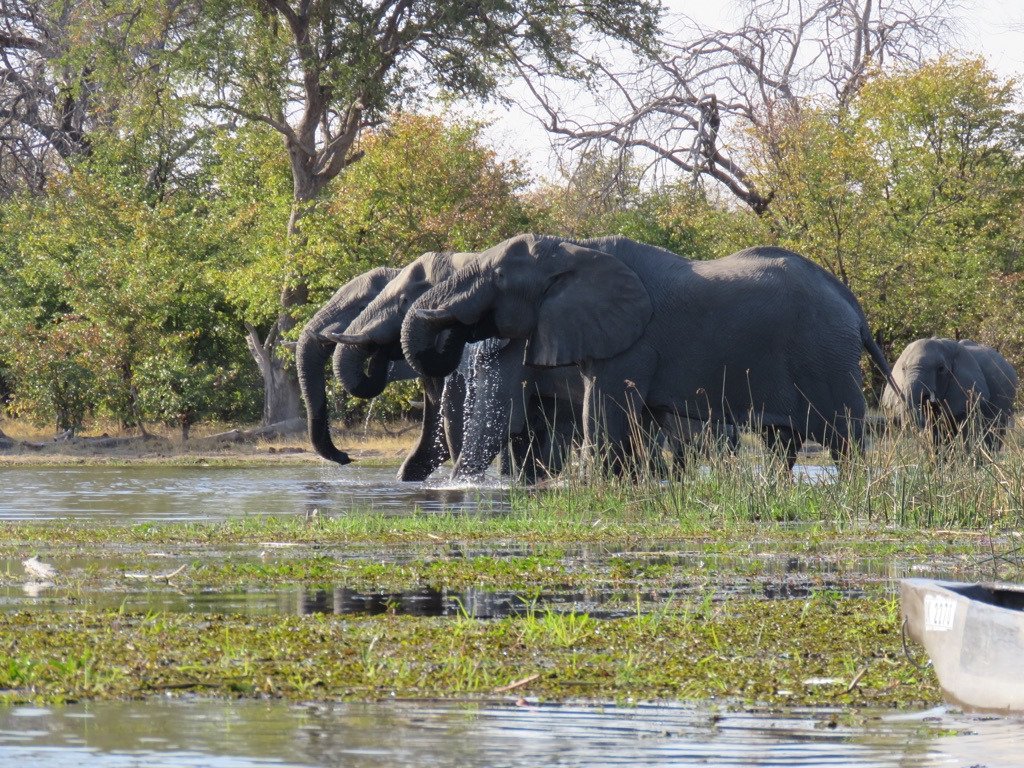
Elephant define the park. Estimates for the Chobe population commonly run around 50,000 animals, part of a national herd estimated well above 100,000, and these are Kalahari elephants known for large herd sizes and comparatively brittle ivory.
That density has consequences you can see. The hardwood woodland along the riverfront has been substantially thinned by elephant feeding, which is a live conservation question rather than a settled one.
Beyond elephant, the park supports lion, leopard, African wild dog, buffalo in large herds, hippo, crocodile, giraffe, zebra and a broad antelope range including sable, roan, eland, red lechwe and puku. Puku are notable because Chobe holds one of the very few populations in the region.
Birdlife runs past 450 species, with the riverfront particularly strong on waterbirds, fish eagles, skimmers and carmine bee-eater colonies nesting in the banks.
Rhino are present in small numbers rather than as a species to plan a trip around.
Visiting Chobe National Park
Access is the easiest in Botswana. Kasane International Airport connects to Johannesburg, Gaborone and Maun, and Sedudu Gate is minutes away by road. Victoria Falls sits around 80 kilometres off.
Park entry for non-residents runs at 120 Pula per person per day, dropping to 70 Pula for clients of a licensed Botswana operator, with camping charged separately.
Three campsites serve the park, one in each main area: Ihaha on the riverfront, Savuti and Linyanti. All must be booked well ahead through the private operators that run most of Botswana’s public campsites, with park fees settled with the Department afterwards.
Park rules apply throughout: a 40 kilometre per hour limit, no off-road driving, gates closing at set hours and no night drives. Fuel is not sold inside.
Self-drivers need a properly equipped 4×4, since the tracks are deep sand throughout and impassable in places after rain.
The riverfront near Kasane is shared with day visitors coming across from Victoria Falls, which concentrates vehicles at sightings in the middle of the day. Early morning drives and staying toward the Ngoma end of the park both put you clear of it.
Best Time to Visit Chobe National Park
Chobe works year round, which few Botswana parks manage, and it peaks in the dry months.
May through October is the strongest window. Seasonal water inland disappears, the herds concentrate on the river, and boat safaris deliver their best. August through October gives the highest concentrations, with October the hottest month of the year.
June and July mornings are cold, around 6°C to 7°C on an open vehicle, and dry season humidity sits between 20 and 40 percent.
The green season from November to April brings the rains, disperses game inland and greens the country, with birding at its strongest and rates falling considerably. The riverfront holds up better than inland Botswana in these months because the river is permanent, and Savuti is at its most interesting when the channel is flowing.
Frequently Asked Questions About Chobe National Park
How big is Chobe National Park?
Around 11,700 square kilometres, making it Botswana’s third largest protected area after the Central Kalahari Game Reserve and the Gemsbok National Park. Some sources give a figure closer to 10,590 square kilometres, and boundaries were adjusted several times after the park was established. It divides into four distinct ecosystems: the Serondela riverfront, the Savuti Marsh, the Linyanti Marshes and the dry Nogatsaa grass woodland in between.
How many elephants are in Chobe National Park?
Estimates for the park commonly run around 50,000 animals, forming part of a national population estimated well above 100,000 and among the largest in Africa. These are Kalahari elephants, known for large herd sizes and comparatively brittle ivory, and they migrate seasonally across the wider region. The density is visible in the habitat itself, since hardwood woodland along the riverfront has been substantially thinned by elephant feeding.
What is the entry fee for Chobe National Park?
The Department of Wildlife and National Parks charges non-residents 120 Pula per person per day, reduced to 70 Pula per person per day for clients of a licensed Botswana tour operator. Residents and citizens pay considerably less. Camping is charged separately and varies by operator, since most public campsites are now run privately. Children under eight enter free. Fees change, so confirm before travelling, and note that entry has been refused at gates for paperwork errors.
Which part of Chobe National Park should I visit?
The riverfront at Serondela for accessibility and the biggest elephant concentrations, reachable from Kasane with no charter flight. Savuti for predators, particularly its lion prides and high spotted hyena numbers, across country that looks nothing like the river. Linyanti for enormous dry-season elephant numbers with very few vehicles, and because camps there sit on private concessions permitting off-road driving, night drives and walking that the park prohibits.
Can you do night drives in Chobe National Park?
No. As a national park, Chobe prohibits night drives along with off-road driving and guided walking, and gates close at set hours. Those activities are available on the private concessions adjoining the park, particularly in the Linyanti and Selinda areas, and in community areas outside park boundaries. If night drives matter to you, that decides where you stay rather than whether you visit.
Is Chobe National Park worth visiting?
It offers the most reliable large mammal viewing in Botswana and the easiest access, being minutes from Kasane airport with no internal flight required, which also makes it the cheapest safari area in the country. Boat safaris on the river are a genuinely different experience from vehicle game viewing. The trade is that the riverfront is the busiest part of Botswana, shared with day visitors from Victoria Falls, so it feels less remote than the Delta or the Kalahari.
Booking Your Botswana Trip
The safari companies and tour operators listed on this website put trips like this together for a living and know which camps, guides and routes actually deliver. We are an independent guide to Botswana; we do not book or sell tours ourselves.
When you are ready, arrange your safari, tour or holiday with one of the recognised operators listed here. Tell them your dates and what matters most, and a real person, not a form, will handle the itinerary, park bookings and logistics for you.