Selinda Reserve
The Selinda Reserve is a private concession of roughly 130,000 hectares in northern Botswana, sitting between the Kwando concession to the north and Linyanti to the east, and built around a fossil channel that connects the Okavango Delta to the Linyanti swamps. It holds only three small camps across that entire area, and it is one of the few places in Botswana where you can canoe a wilderness waterway over several days. Selinda is co-owned by the wildlife filmmakers Dereck and Beverly Joubert.
The Selinda Spillway
The reserve is named for a channel that spends most of its existence dry, which is a strange thing to build a safari area around and the reason Selinda is interesting.
The Selinda Spillway, also known as the Magwegqana, is an ancient watercourse running west to east between the northern Okavango Delta and the Zibadianja Lagoon, linking two great water systems across otherwise dry country.
It only flows when water levels in both the Linyanti and Kwando rivers are exceptionally high, allowing the Okavango system from the west and the Kwando system from the east to meet in the middle. That is a rare event. The spillway sat dry for around three decades before exceptional floods restored it, and it has run intermittently since.
When it flows, the reserve transforms. Floodplains fill, game concentrates along the water, and canoeing becomes possible. When it does not, Selinda is a drier reserve with a permanent lagoon at its heart.
Ask what the spillway is doing before booking, since it changes the activity list.
Selinda exists because of a channel that only flows when two great river systems both run high enough to meet in the middle. In most years they do not.
Zibadianja Lagoon and the Reserve’s Geography

Where the neighbouring concessions have river frontage, Selinda has a lagoon, and that shapes the character of the place.
The Zibadianja Lagoon is a permanent body of water fed by the Kwando River, presided over by towering African mangosteen and jackalberry trees, and it acts as a magnet for wildlife in a region where permanent water is scarce.
The spillway leaves the lagoon and runs west toward the Okavango, and its floodplains are the productive part of the reserve.
Habitat across the concession covers dense marsh, riverine woodland, game-rich floodplain, dry grassland and palm-fringed islands. The western portion is dense leadwood and mopane forest, less productive for game and correspondingly little visited.
Selinda forms the southern boundary of the Kwando concession, with Linyanti to the east, and together the three make one of the largest blocks of privately managed wildlife country in Botswana.
Figures for the reserve’s size vary between around 129,500 and 135,000 hectares, or roughly 1,300 to 1,350 square kilometres.
The Selinda Canoe Trail
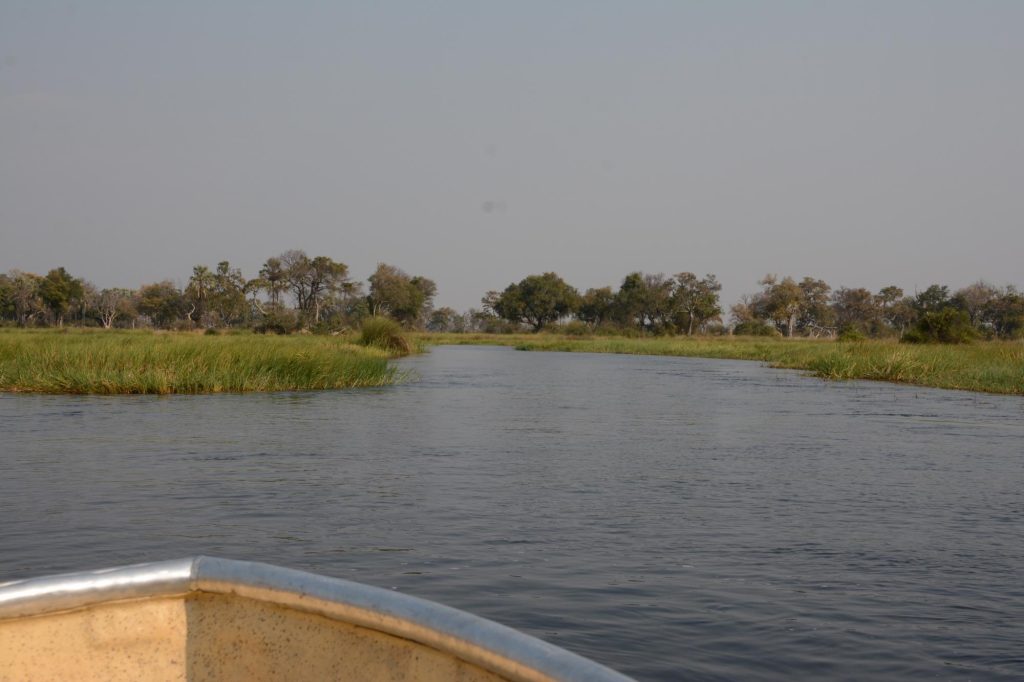
This is the activity that separates Selinda from every other concession in Botswana, and it only exists when the spillway runs.
The Selinda Canoe Trail is a multi-day expedition, commonly four nights, paddling down the spillway between roughly June and October. Two-person Canadian-style canoes carry you through country that has no roads, camping along the way.
There is no equivalent elsewhere in Botswana. Mokoro trips in the Delta are short excursions from a camp, while this is genuinely a point-to-point wilderness trip on water.
At the camps themselves, canoes are stationed for guest use when water levels allow, with a minimum age of twelve for canoeing.
Because the whole activity depends on the spillway flowing, availability changes year to year. Confirm before building a trip around it.
Wildlife in the Selinda Reserve
Selinda is rated among the strongest predator areas in Botswana, and the concession has been the setting for a good deal of wildlife filmmaking.
Elephant gather in large numbers along the spillway banks in the dry season, with the reserve holding thousands at peak. Buffalo herds line the same water.
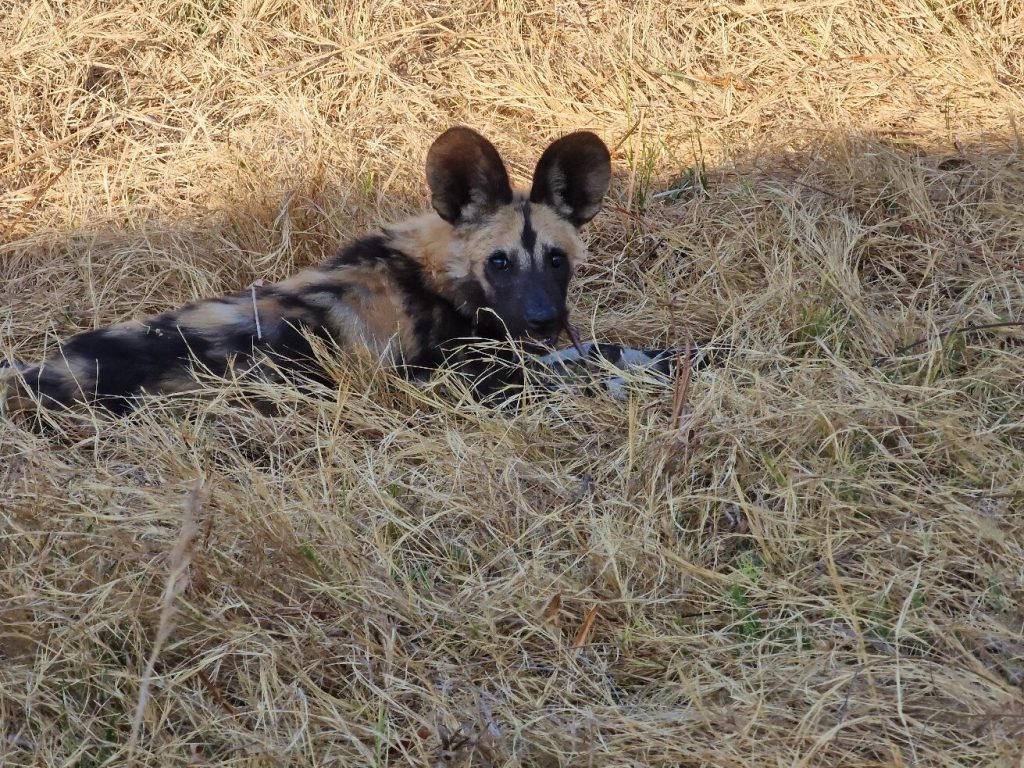
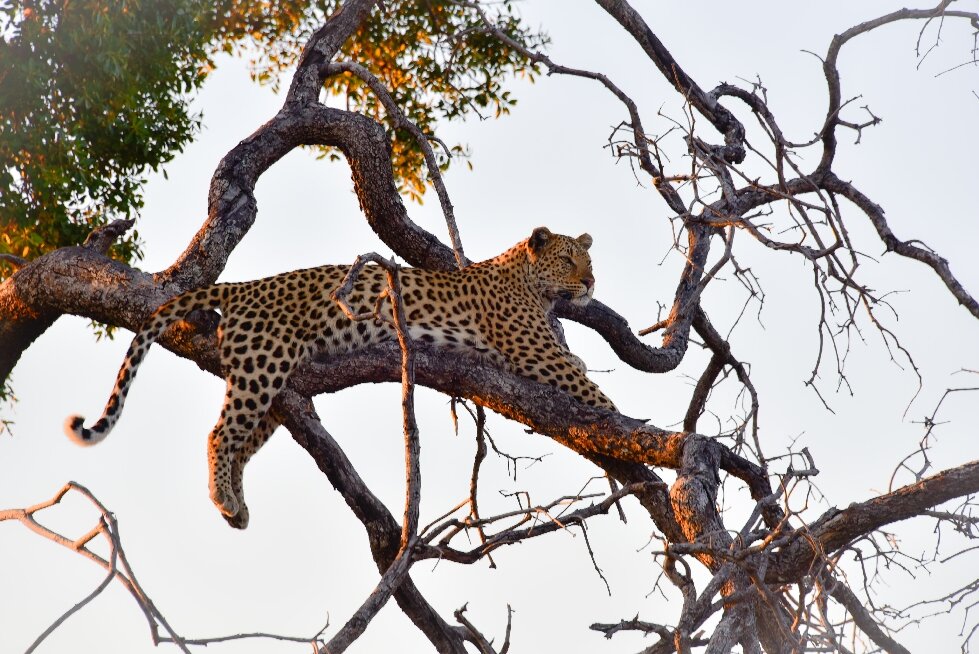
The Selinda wild dog pack is seen regularly, and the reserve is among the more reliable places in Africa for the species. Leopard rest in the trees along the watercourses. The Selinda lion pride has been documented on film by the Jouberts, including in a National Geographic production about a pride’s formation.
Cheetah and hyena work the open grasslands, and the full complement of plains game moves across the floodplains.
Birdlife along the lagoon and spillway is excellent, with the permanent water drawing species that the surrounding dry country cannot support.
When the spillway flows. Canoeing, boating, filled floodplains, concentrated game along the water, and the multi-day canoe trail between roughly June and October. The reserve at its most distinctive.
When it does not. A drier reserve centred on the permanent Zibadianja Lagoon, with game drives and walking. Still excellent for predators, without the water activities.
Year round. Day and night game drives, off-road driving, guided walking safaris and catch-and-release fishing, all permitted because this is concession land rather than national park.
Camps on the Selinda Reserve
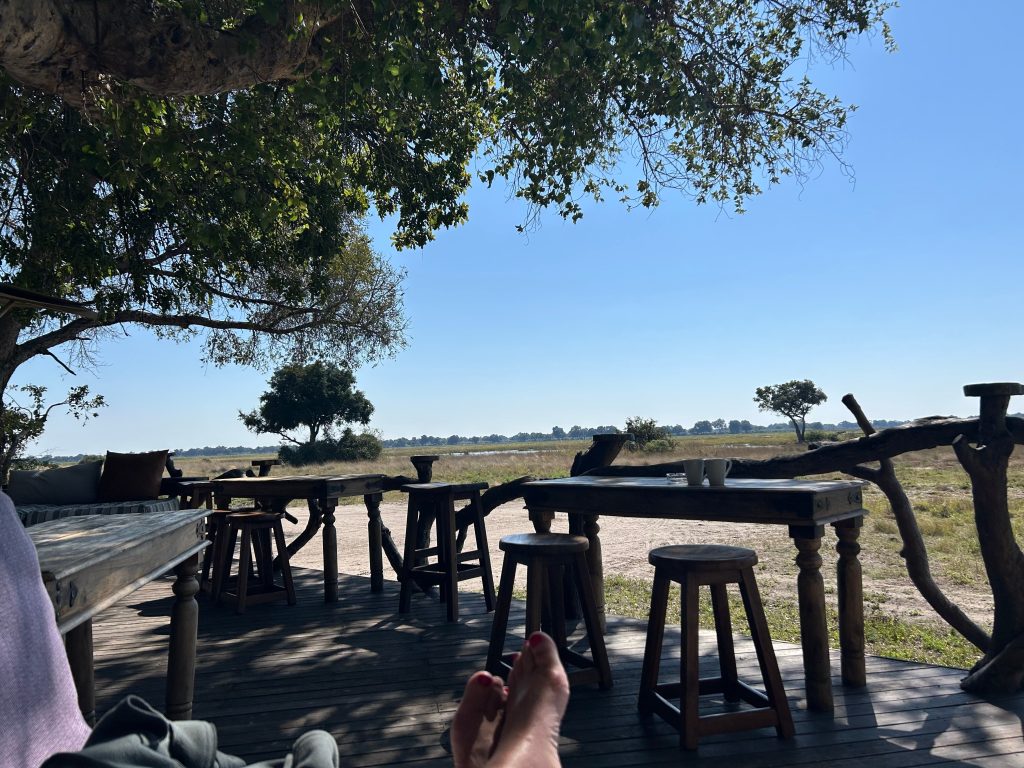
Three camps share 130,000 hectares, which produces vehicle densities close to nothing.
Zarafa sits on the banks of the Zibadianja Lagoon among ancient ebony trees, with four marquee-style suites on raised decks built from reclaimed teak railway sleepers and Indonesian mahogany. It was Botswana’s first Relais and Châteaux property. The separate two-bedroom Dhow Suite comes with a private guide, chef and butler.
Selinda Camp sits on the eastern bank of the spillway near where it meets the Linyanti, with three expansive suites each holding a private plunge pool. Its design echoes the traditional thatched homes of the area.
Selinda Explorers Camp is the adventure option, four en-suite tents in the style of early explorers on the remote banks of the spillway, with a mess area and a fire pit under the stars. Guests consistently rate it among the best small camps in Africa.
A semi-mobile photographic camp has also operated in the western reserve, moving between sites.
All are unfenced. Staff escort guests after dark as standard.
Conservation and the Great Plains Model

Selinda is part of a conservation project rather than simply a commercial lease, and the distinction shows in how the reserve is run.
The reserve participates in the Great Plains Conservation initiative, which aims to balance commerce, wildlife conservation and community involvement, using tourism revenue to protect and restore habitat. The reserve appears on longer circuits such as the 12 day ultimate Botswana safari.
Dereck and Beverly Joubert, the National Geographic filmmakers, co-own properties here and have filmed extensively across the concession, which has given Selinda’s lions and wild dogs an unusual level of documentation.
Converting former hunting land to photographic tourism is part of the story across this region, and Selinda is among the areas where that shift is most visible.
For travellers who want their spending tied to a conservation model rather than a lease payment, this is one of the clearer examples in Botswana.
Selinda Explorers and Zarafa sit at opposite ends of the same reserve in style and in location. One is expedition canvas with a fire pit, the other is among the most luxurious camps in Africa. Same wildlife, same guiding standard, very different trips.
Getting to Selinda and When to Visit
Access is by light aircraft from Maun or Kasane, both of which take direct flights from Johannesburg and Gaborone. Some camps involve a game drive and a boat transfer on arrival, which is part of the experience rather than an inconvenience.
Self-driving is not possible. This is private concession land with restricted access.
The dry season from June to October is the peak, when game concentrates on the permanent water, elephant numbers along the spillway build, and the canoe trail operates if water allows.
Mornings in June and July are cold on an open vehicle, and October is hot.
The green season disperses the game across the wider country, greens the reserve and drops rates, with birding at its best. Some camps operate seasonally.
Frequently Asked Questions About Selinda Reserve
How big is the Selinda Reserve?
Around 130,000 hectares, with sources giving figures between roughly 129,500 and 135,000, or about 1,300 to 1,350 square kilometres. It sits between the Kwando concession to the north and the Linyanti concession to the east in northern Botswana. Only three small camps operate across that entire area, which produces very low vehicle densities and is central to what the reserve offers.
What is the Selinda Spillway?
An ancient fossil channel, also known as the Magwegqana, running between the northern Okavango Delta and the Zibadianja Lagoon and linking two great water systems across dry country. It flows only when both the Linyanti and Kwando rivers run exceptionally high, allowing the systems to meet in the middle, which is rare. The spillway sat dry for roughly three decades before exceptional floods restored it, and it has run intermittently since.
What is the Selinda Canoe Trail?
A multi-day paddling expedition down the spillway, commonly four nights, running roughly between June and October when water levels allow. Two-person Canadian-style canoes carry you through roadless country with camping along the way. There is no real equivalent elsewhere in Botswana, since Delta mokoro trips are short excursions from a camp rather than point-to-point wilderness travel. It depends entirely on the spillway flowing, so confirm availability before planning around it.
Can you see wild dogs at Selinda?
Yes, and it is among the more reliable places in Africa for them. The Selinda wild dog pack is seen regularly, and the wider Kwando, Linyanti and Selinda block together carries better wild dog numbers than most of the continent. Off-road driving is permitted on concession land, so guides can follow a hunting pack rather than losing them at the track edge. Sightings are never guaranteed, since packs range widely.
Who owns the Selinda Reserve?
It is a private concession operated under the Great Plains Conservation initiative, with camps co-owned by the National Geographic wildlife filmmakers Dereck and Beverly Joubert. The model aims to balance commerce, conservation and community involvement, using tourism revenue to protect and restore habitat. The Jouberts have filmed extensively across the concession, including a National Geographic production about the formation of the Selinda lion pride.
How do you get to the Selinda Reserve?
By light aircraft from Maun or Kasane, both of which receive direct flights from Johannesburg and Gaborone. Some camps add a game drive and a boat transfer on arrival, which functions as a first activity rather than a delay. Self-driving is not possible, as this is private concession land with restricted access, and that restriction is part of what keeps vehicle numbers so low.
Booking Your Botswana Trip
The safari companies and tour operators listed on this website put trips like this together for a living and know which camps, guides and routes actually deliver. We are an independent guide to Botswana; we do not book or sell tours ourselves.
When you are ready, arrange your safari, tour or holiday with one of the recognised operators listed here. Tell them your dates and what matters most, and a real person, not a form, will handle the itinerary, park bookings and logistics for you.