Francistown
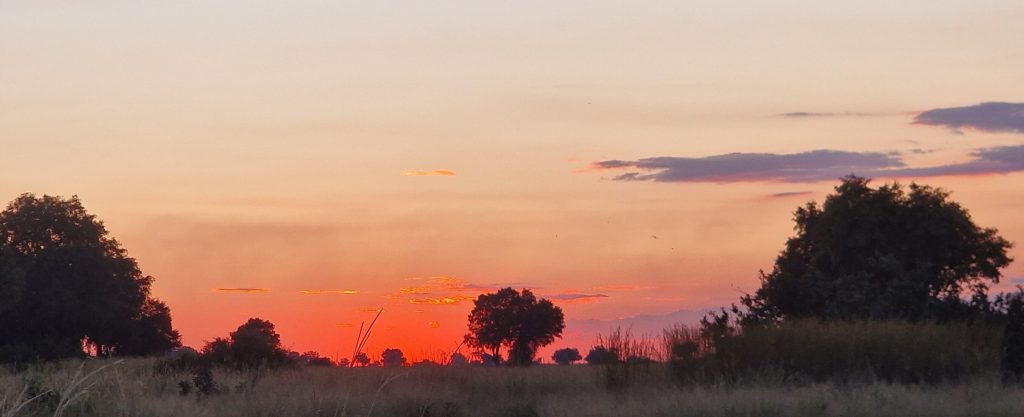
Francistown is Botswana’s second city, sitting in the northeast where the Tati and Inchwe rivers meet near the Shashe, around 400 kilometres from Gaborone and 90 from the Zimbabwe border. It grew out of southern Africa’s first gold rush and is named after the prospector Daniel Francis. Locally it is called the Capital of the North, and it functions as a commercial and transport hub rather than a tourist destination.
The Gold Rush That Built the Town
Francistown’s origins set it apart from every other town in Botswana, which mostly grew from tribal capitals or administrative decisions.
Gold was found along the Tati River in the second half of the nineteenth century, and prospectors arrived in what is described as southern Africa’s first gold rush. The settlement that formed around the workings took its name from Daniel Francis, one of those prospectors.
Sources give the founding date variously, with the mining activity commonly dated from the eighteen sixties and the town’s formal establishment given as the eighteen nineties. It is frequently described as the oldest town in Botswana.
That commercial and industrial origin still shows. Francistown feels like a working city rather than a capital or a safari town, built around trade, transport and industry.
Mining continues to matter in the wider region, and the town serves as a service centre for it.
The gold itself did not last in the way the prospectors hoped. Deposits along the Tati proved harder to work and less rich than the early excitement suggested, and the rush faded within decades. What survived was the infrastructure it left behind: a rail connection, a road junction and a settled population, which turned out to be worth more to the town’s future than the ore ever was.
Most Botswana towns began as tribal capitals or were planned into existence. Francistown began because somebody found gold in a riverbed, which gives it a completely different character from anywhere else in the country.
Where Francistown Sits
The position is what has kept the city relevant long after the gold rush faded.
Francistown lies in eastern Botswana at the confluence of the Tati and Inchwe rivers near the Shashe, roughly 400 kilometres north of Gaborone on the A1 and about 90 kilometres from the Zimbabwe border.
It sits at the junction where the eastern corridor meets the roads north and west. From here the A3 runs west toward Nata, Maun and the Okavango, while the northern route continues toward Kasane and Chobe. The railway passes through as well.
That makes Francistown the point where almost every overland route through Botswana converges, which is why so many self-drive travellers spend a night here without particularly meaning to.
Population figures around 100,000 to 120,000 are commonly cited, making it comfortably the second largest urban centre in the country.
Administratively it falls within the Central District, though it sits closest to the North East District, whose administrative capital is Masunga.
Things to Do in Francistown
The list is short and better than nothing, particularly if you are breaking a long drive.
The Supa Ngwao Museum is the main cultural attraction and is genuinely worth an hour. It covers the way of life and culture of local communities, particularly the Kalanga who make up much of the population of this region, with displays including wood carvings, musical instruments and basketry.
The museum occupies historic buildings and gives context on the early years of Francistown and the surrounding area.
Beyond that, the city offers shopping malls, restaurants, banks and the practical infrastructure of a working city. It is a good place to resupply.
The Tati River and surrounding country provide some walking and birding, and old mine workings survive in the wider area for anyone interested in industrial history.
Nyangabgwe Hill offers a view over the city for those inclined to climb it.
Francistown also has a livelier social scene than its reputation suggests, with bars, live music and a substantial student and working population that keeps places open through the week rather than only at weekends. For travellers who have spent a fortnight in bush camps where dinner is communal and the lights go out at ten, an ordinary evening in an ordinary African city is its own kind of change.
Francistown as a Base for the Northeast
This is where the city earns a place on an itinerary, since several genuinely interesting sites sit within reach.
Domboshaba Ruins lie along the Masunga to Kalakamati road, given variously as 75 to 120 kilometres north or northeast depending on the route. This dry stone-walled hilltop site was a provincial centre of the Butua state and is where the first archaeological excavation in Botswana took place.
The annual Domboshaba cultural festival at the foot of the hill, usually at the end of September, is the largest Kalanga cultural event in the country and worth timing a visit around.
The Tuli Block lies to the southeast, a strip of private reserves along the Limpopo with elephant, leopard and sandstone country unlike anywhere else in Botswana, and it is malaria free.
Lepokole Hills near Bobonong hold San rock paintings and Iron Age remains, reached via Selebi-Phikwe.
The forest reserves and the Kazuma corridor toward the Zimbabwe border sit north of the city.
In the city. Supa Ngwao Museum for Kalanga culture and Francistown history, shopping and resupply, restaurants and banks, and a climb up Nyangabgwe Hill for the view.
Within a day. Domboshaba Ruins and the Kalanga festival to the north, Lepokole Hills near Bobonong to the south, and the Tuli Block to the southeast.
Passing through. The junction for the A3 west toward Nata, Maun and the Okavango, and the northern route toward Kasane and Chobe. Most overland routes in Botswana meet here.
Francistown for Self-Drive Travellers
For anyone driving through Botswana, Francistown is a practical stop rather than a scenic one.
It is the last substantial city before the long runs west to Maun or north to Kasane, so fuel up properly and stock the vehicle here. Supermarkets are good and the choice is wider than anywhere north or west of it.
Banks and ATMs operate throughout, which matters since machines thin out considerably beyond here.
Vehicle repairs and tyre services are available, and Francistown is the sensible place to sort out any mechanical concern before committing to remote country.
Accommodation runs from business hotels to guesthouses and lodges on the edges of town, geared to commercial travellers rather than tourists, which usually means good value.
Distances to plan around: roughly 400 kilometres to Gaborone, 400 to Kasane, and a long day west to Maun via Nata.
One road note worth having. The A3 west toward Nata carries a reputation for potholes on certain stretches, some severe enough to damage a wheel, and travellers arriving from Martin’s Drift report the same on parts of that route. Neither is a reason to avoid the roads, only a reason to keep speeds sensible and eyes on the surface rather than the scenery, particularly in the hour after sunrise when low sun flattens the shadows that would otherwise show a hole.
Getting to Francistown
Access is straightforward, which is the point of the place.
Francistown Airport handles domestic flights only, with no international services at all, and Air Botswana links it to Gaborone.
By road it sits on the A1 between Gaborone and the Zimbabwe border, on good tar throughout. The Ramokgwebana border post to Zimbabwe is roughly 90 kilometres away on the route toward Bulawayo.
The railway runs through Francistown on the line between Gaborone and Zimbabwe, and passenger services have operated on this route intermittently.
Long-distance buses and combis serve the city from Gaborone, Nata, Maun and Kasane, with the corridor south to Gaborone taking roughly four to six hours.
If your route crosses Francistown anyway, consider timing it for the end of September and driving north to the Domboshaba festival. Several days of Kalanga music, dance and traditional food at a fifteenth century stone-walled site is a very different Botswana experience from a game drive.
Frequently Asked Questions About Francistown
Why is Francistown called that?
After Daniel Francis, a prospector who arrived during the gold rush along the Tati River in the second half of the nineteenth century, described as southern Africa’s first gold rush. The settlement grew around the mining workings and took his name. That commercial and industrial origin distinguishes Francistown from most Botswana towns, which grew out of tribal capitals or were planned into existence by administrative decision.
Is Francistown worth visiting?
As a destination in itself, modestly. It is a working commercial and transport city rather than a tourist town. The Supa Ngwao Museum covers Kalanga culture and local history properly and is worth an hour. What makes Francistown useful is position: it is the junction where almost every overland route in Botswana converges, and Domboshaba Ruins, the Tuli Block and Lepokole Hills all lie within reach.
How big is Francistown?
Population figures around 100,000 to 120,000 are commonly cited, making it comfortably Botswana’s second largest urban centre after Gaborone. It sits in eastern Botswana where the Tati and Inchwe rivers meet near the Shashe, roughly 400 kilometres north of Gaborone and about 90 kilometres from the Zimbabwe border. Locally it goes by several nicknames including the Capital of the North.
What is there to do near Francistown?
Domboshaba Ruins to the north along the Masunga to Kalakamati road, a dry stone-walled hilltop site from the Great Zimbabwe period and the first place ever excavated archaeologically in Botswana, which hosts a major Kalanga cultural festival each September. The Tuli Block to the southeast offers elephant and leopard across sandstone country and is malaria free. Lepokole Hills near Bobonong hold San rock paintings and Iron Age remains.
Does Francistown have an airport?
Yes, though it handles domestic flights only with no international services, and Air Botswana links it to Gaborone. Most travellers reach Francistown by road, since it sits on the A1 between Gaborone and the Zimbabwe border on good tar throughout, with the Ramokgwebana border post about 90 kilometres away on the route toward Bulawayo. Long-distance buses and combis serve the city from all directions.
Is Francistown a good stop on a self-drive trip?
It is the practical choice. Francistown is the last substantial city before the long runs west to Maun or north to Kasane, so fuel, supermarkets, banks, ATMs, vehicle repairs and tyre services are all better here than anywhere beyond. Accommodation is geared to commercial travellers rather than tourists, which usually means good value. Allow roughly 400 kilometres to Gaborone, 400 to Kasane and a long day west to Maun via Nata.
Booking Your Botswana Trip
The safari companies and tour operators listed on this website put trips like this together for a living and know which camps, guides and routes actually deliver. We are an independent guide to Botswana; we do not book or sell tours ourselves.
When you are ready, arrange your safari, tour or holiday with one of the recognised operators listed here. Tell them your dates and what matters most, and a real person, not a form, will handle the itinerary, park bookings and logistics for you.