Kasane
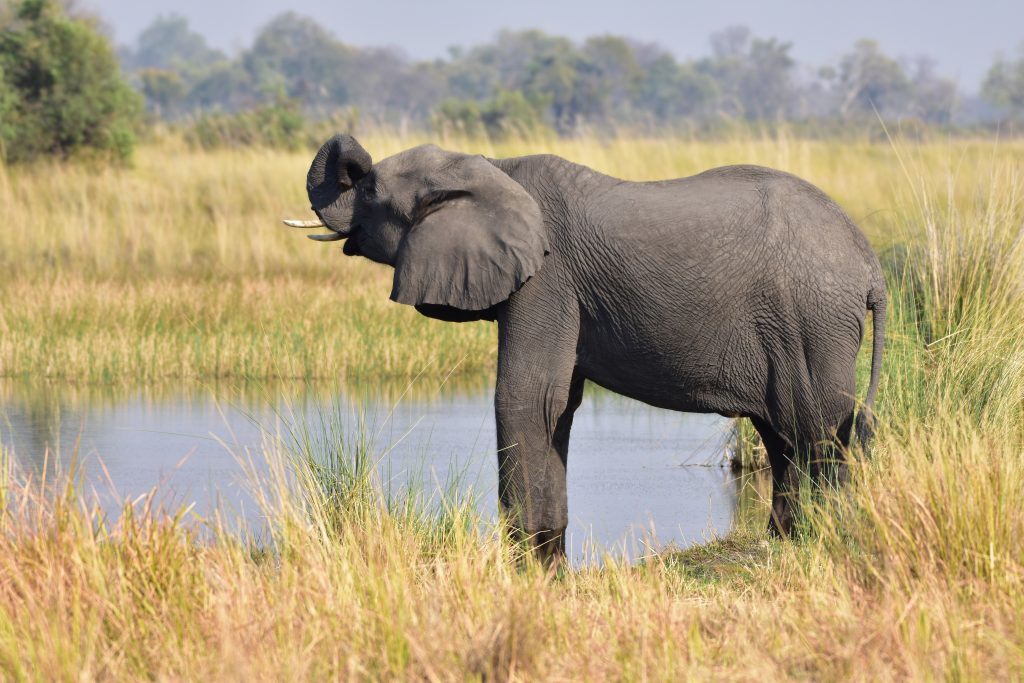
Kasane sits in Botswana’s far northeastern corner on the south bank of the Chobe River, minutes from the entrance to Chobe National Park and close to the point where four countries almost meet. It is the administrative centre of the Chobe District and the busiest tourist crossroads in Botswana, handling more passing visitors than Maun. Victoria Falls lies around 70 to 80 kilometres away, which is why so many regional itineraries hinge here.
Where Kasane Sits
The geography is the whole story, and it is genuinely unusual.
The town spreads along the southern bank of the Chobe River, looking across to Namibia’s Zambezi Region. A few kilometres east, the Chobe joins the Zambezi, and near that confluence the borders of Botswana, Namibia, Zambia and Zimbabwe converge within a very short distance.
The spot is widely described as Africa’s Four Corners and as the only quadripoint on earth. In practice it is now widely accepted that there are two tripoints lying around 150 metres apart, which is less tidy and more interesting.
Kazungula, the border town with the bridge to Zambia, sits about eight kilometres east and was the district capital before Kasane took over.
The Sedudu Gate into Chobe National Park is minutes from the airport, which makes Kasane the only major Botswana safari destination reachable without an internal charter flight.
From Kasane you can be on a game drive in Chobe within half an hour of landing, cross into Zimbabwe for Victoria Falls in a couple of hours, or take a boat into Namibian water. Very few towns anywhere sit on a junction like this.
What Kasane Is Like
Guidebooks are polite about Kasane and travellers tend to be blunter, so here is the honest version.
The town itself is not much of an attraction. It is functional rather than charming, strung along the riverbank and the main road, and its purpose is to service the traffic passing through toward Chobe and the Falls.
Population figures sit somewhere around 9,000 to 10,000, with the wider Chobe District holding under 30,000 people across more than 20,000 square kilometres.
What redeems it entirely is what lies immediately beyond. The river frontage is magnificent, the national park gate is minutes away, and elephants regularly wander through the outskirts.
President’s Avenue is the main street, with market stalls selling local crafts alongside the practical shops.
Set expectations accordingly and Kasane works very well. Arrive expecting a scenic town and you will be disappointed.
Kasane as a Safari Base
This is what Kasane is genuinely excellent at, and it comes down to convenience.
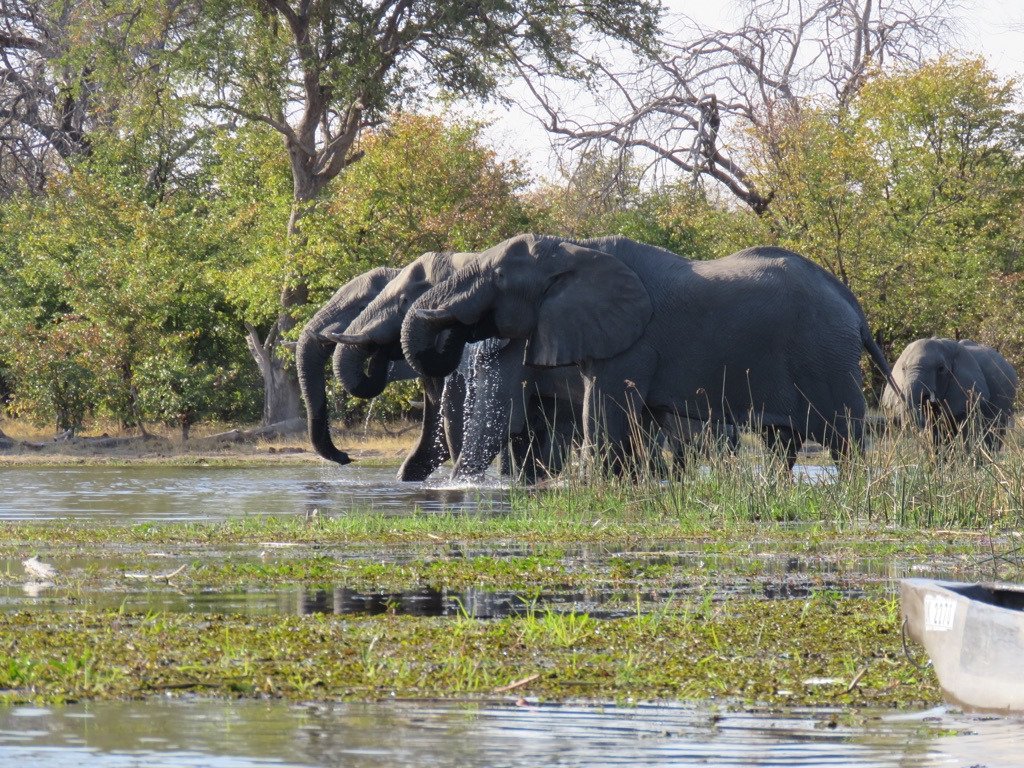
Chobe National Park carries the highest elephant density in Africa along its riverfront, and the gate is minutes from town. Most riverfront lodges sit within a 45-minute drive and many are far closer.
Boat safaris on the Chobe leave from Kasane and are the main reason to come, putting you at eye level with drinking elephants, hippo pods and crocodiles. Morning trips are quieter than afternoons, when day visitors from Victoria Falls are on the water.
Because no charter flight is needed, Kasane is the cheapest safari area in Botswana to reach and the most practical for a short trip or for anyone nervous about small aircraft.
The forest reserves immediately south of town offer something the national park cannot, since they permit night drives and guided walks that Chobe prohibits.
Kasane Rapids just downstream is a known birdwatching spot.
The town also works as a base for the inland parts of Chobe, though not by road. Savuti and the Linyanti concessions are reached by light aircraft from Kasane in twenty to forty minutes, or by a long and demanding drive through deep sand via Ngoma and the Ghoha Gate, roughly 220 kilometres with over 40 kilometres of loose sand on the final stretch. Most visitors fly. Self-drivers who take the sand route should treat it as a full day rather than a transfer.
Crossing Borders From Kasane
Kasane’s position makes it the hinge of most southern African multi-country itineraries.
Victoria Falls in Zimbabwe is around 70 to 80 kilometres by road via the Kazungula Road crossing, taking a couple of hours including formalities, though peak season queues can extend that considerably. A scheduled light aircraft covers the same route in roughly twenty minutes. South-west of the town lies the Chobe Forest Reserve, a quieter block that almost no visitors enter.
Livingstone in Zambia is reached across the Kazungula Bridge over the Zambezi, which replaced the old ferry and operates as a one-stop border post.
Namibia’s Zambezi Region is reached west through Ngoma Bridge, which is the route toward the Caprivi and on to Etosha.
Each country applies its own entry rules. A Botswana single-entry visa cannot be used to return after a day trip, and unabridged birth certificates are checked for minors at every crossing.
Kazungula has a long history as a crossing point, and during the liberation wars of the twentieth century many anti-colonial fighters escaped into Zambia this way.
From Kasane by road. Sedudu Gate into Chobe in minutes. Victoria Falls in around two hours including the border. Livingstone across the Kazungula Bridge. Ngoma Bridge west into Namibia.
From Kasane by air. Scheduled flights to Johannesburg, Gaborone and Maun. Light aircraft to Victoria Falls in roughly twenty minutes and to Savuti, Linyanti and the Delta camps.
From Kasane by boat. Chobe River safaris upstream along the park frontage, sunset cruises, and fishing trips. The river is an international boundary, so operators stay on their own side.
Kasane Airport and Getting There

Kasane International has been substantially expanded, with a new terminal building of around 7,800 square metres and a runway extension allowing larger aircraft.
Scheduled services connect Kasane with Johannesburg on Airlink and with Gaborone and Maun on Air Botswana. The terminal has duty free, curio shops and a small cafeteria.
By road, Kasane is well connected on tar from Nata and Francistown, and the roads are in reasonable condition. Distances are substantial: roughly 400 kilometres to Francistown and around 900 to Gaborone.
Maun to Kasane runs about 614 kilometres and takes close to seven hours via the tar route through Nata, with no fuel available on the bush routes between them.
Luggage storage operates at the airport for anything exceeding charter weight limits.
Practicalities and Staying in Kasane
Kasane is a good place to sort things out before or after time in the bush.
The town has supermarkets, banks, ATMs, a fuel station and pharmacies, making it a sensible place to stock up for a self-drive trip into Chobe or onward.
Accommodation ranges from budget campsites through guesthouses to luxury lodges with river frontage. Riverfront properties cluster near town and extend west toward Ngoma, and the western end is considerably quieter.
Dining is simple, with riverfront restaurants offering views rather than culinary ambition, shisanyama grills for local eating, and the usual regional fast food chains. Several lodges open their restaurants to non-residents, which gets you a sundowner over the river without staying there. Most trips through the town are one leg of something longer, such as a 6 day Okavango and Chobe safari.
The African Easel gallery and roadside craft stalls between town and Kazungula fill the middle of the day when game viewing is poor.
On timing, Kasane works year round better than almost anywhere else in Botswana, because the river is permanent. Peak season runs June through October, when inland water disappears and the elephant concentrations along the riverfront reach their most dramatic, with July and August the busiest months. The green season from November to April brings fewer large mammals and considerably better birding, along with lower rates and far fewer boats on the water.
Ihaha campsite serves self-drive visitors inside the park on the riverfront, and must be booked well ahead through the private operator running it, with park fees settled separately with the Department afterwards.
Kasane absorbs day visitors from Victoria Falls in the middle of the day, which concentrates vehicles and boats at exactly the wrong times. Take an early morning boat or drive and stay toward the Ngoma end of the riverfront, and the crowding largely disappears.
Frequently Asked Questions About Kasane
Where is Kasane?
In the far northeastern corner of Botswana, on the south bank of the Chobe River looking across to Namibia’s Zambezi Region, and serving as the administrative centre of the Chobe District. The Chobe joins the Zambezi a few kilometres east, near the point where the borders of Botswana, Namibia, Zambia and Zimbabwe converge. The Sedudu Gate into Chobe National Park is minutes from the airport.
Is Kasane worth visiting?
As a base, absolutely. As a town, less so. Kasane itself is functional rather than scenic, strung along the riverbank and existing largely to service the traffic heading to Chobe and Victoria Falls. What makes it valuable is location: the park gate is minutes away, boat safaris leave from town, no internal charter flight is required, and three international borders are within easy reach.
How far is Kasane from Victoria Falls?
Around 70 to 80 kilometres by road via the Kazungula Road crossing into Zimbabwe, taking roughly two hours including border formalities, though peak season queues can extend that considerably. A scheduled light aircraft covers the same route in about twenty minutes. Livingstone in Zambia is reached separately across the Kazungula Bridge over the Zambezi, which operates as a one-stop border post.
Can you see wildlife in Kasane itself?
Yes, more than you would expect. Elephants regularly move through the outskirts of town, and the riverfront supports hippo, crocodile and abundant birdlife within sight of lodges. Warthogs and baboons are common around the edges. That said, the real viewing is in Chobe National Park minutes away, and in the forest reserves south of town which permit night drives and guided walks that the park prohibits.
How big is Kasane?
Around 9,000 to 10,000 people, with the wider Chobe District holding under 30,000 across more than 20,000 square kilometres. It is small by any measure, though it handles more passing tourists than Maun because of its position at the crossroads between Chobe, Victoria Falls, Livingstone and the Caprivi. Kazungula, the border town with the bridge to Zambia, sits about eight kilometres east.
How do you get to Kasane?
Kasane International Airport takes scheduled flights from Johannesburg on Airlink and from Gaborone and Maun on Air Botswana, following a substantial terminal and runway expansion. By road it is well connected on tar from Nata and Francistown, roughly 400 kilometres to Francistown and 900 to Gaborone. Maun to Kasane runs about 614 kilometres and close to seven hours, with no fuel on the bush routes between.
Booking Your Botswana Trip
The safari companies and tour operators listed on this website put trips like this together for a living and know which camps, guides and routes actually deliver. We are an independent guide to Botswana; we do not book or sell tours ourselves.
When you are ready, arrange your safari, tour or holiday with one of the recognised operators listed here. Tell them your dates and what matters most, and a real person, not a form, will handle the itinerary, park bookings and logistics for you.