Chobe Forest Reserve
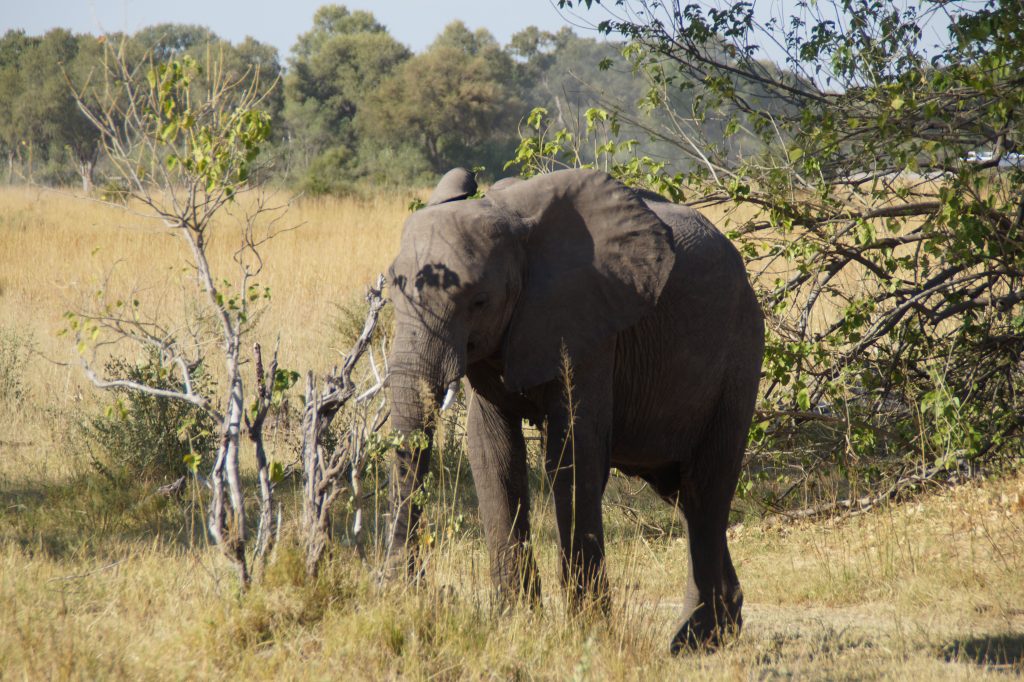
Chobe Forest Reserve is the largest of six gazetted forest reserves in Botswana’s Chobe District, covering somewhere between 1,545 and 1,740 square kilometres of teak and mopane woodland east and south of Chobe National Park. These reserves were set aside for timber and conservation rather than tourism, and most visitors pass through them without realising. Together the six cover roughly 4,200 square kilometres, close to four percent of Botswana’s protected land.
The Six Forest Reserves of the Chobe District
Botswana’s forest reserves are a category most safari visitors never think of as a destination, and it helps to see them as a group.
All six lie in the Chobe District in the far north, gazetted together in the early nineteen eighties. In order of size they are Chobe at around 154,500 hectares, Sibuyu at 116,100, Kasane Extension at 64,111, Maikaelelo at 54,300, Kazuma at 16,800 and Kasane at 14,931.
Figures vary between government and academic sources, with the total given anywhere from around 4,200 to 4,370 square kilometres, and some boundaries have been adjusted through degazettement for township and farm expansion.
Sibuyu is the southernmost, adjoining the Zimbabwe border on its eastern margin. Maikaelelo is relatively inaccessible, lying against Chobe National Park’s eastern boundary around 70 kilometres south of Kasane. Kasane and its Extension sit immediately south of Kasane and Kazungula, running east to the Zimbabwe border and west to the national park.
Most safari visitors drive through a forest reserve without knowing it. The transit road between Kasane and Ngoma and the deep sand run in to Savuti’s Ghoha Gate both cross this country.
What a Forest Reserve Is in Botswana
The legal category matters, because it is not the same as a national park or a game reserve.
Forest reserves were established under Botswana’s forest legislation to protect timber resources, and under that law all forms of subsistence and commercial use are prohibited within them, with only rare exemptions.
The timber that justified protection is genuinely valuable: mukusi, the Zimbabwean teak known botanically as Baikiaea plurijuga, mukwa or Pterocarpus angolensis, and mopane. A forestry inventory estimated close to 420,000 hectares of reserve holding these species.
Because they were created for forestry rather than tourism, the reserves have no gates in the safari sense, no entry fee of their own and very little visitor infrastructure. Park entry fees apply only if you continue into Chobe National Park.
They are managed separately from the parks, which is why they rarely appear on safari itineraries although they sit in the middle of one of Africa’s densest wildlife regions.
Why the Forest Reserves Matter for Wildlife
Their real function is connective rather than scenic, and that is what makes them worth knowing about.
The reserves border tribal lands and sit between the national park, the Zimbabwe frontier and settled areas, which makes them corridors. Elephant herds that gather along the Chobe riverfront disperse into these forests, using the rain-filled pans and the vegetation they provide.
Along the Botswana and Zimbabwe border specific corridor areas allow zebra, eland, elephant and buffalo to reach habitat they could not otherwise access.
Kazuma Forest Reserve is the standout. Small at under 17,000 hectares, it sits directly on what is described as the busiest elephant corridor in the region, linking Chobe National Park with Hwange National Park across the border. The whole area forms part of the Kavango-Zambezi Transfrontier Conservation Area.
Without these reserves the parks would function as islands, which for a species that moves as far as elephant does would be a serious problem.
Habitat and Wildlife in the Forest Reserves

The country is mixed bushveld rather than the open floodplain most safari visitors picture.
Mopane, leadwood, Zimbabwean teak, acacia and baobab dominate, with sweet grasses typical of the northern plains. Seasonal pans hold water after rain, and open grassland breaks up the woodland in places. Kazuma in particular mixes open plains, water-holding pans and tall ilala palms.
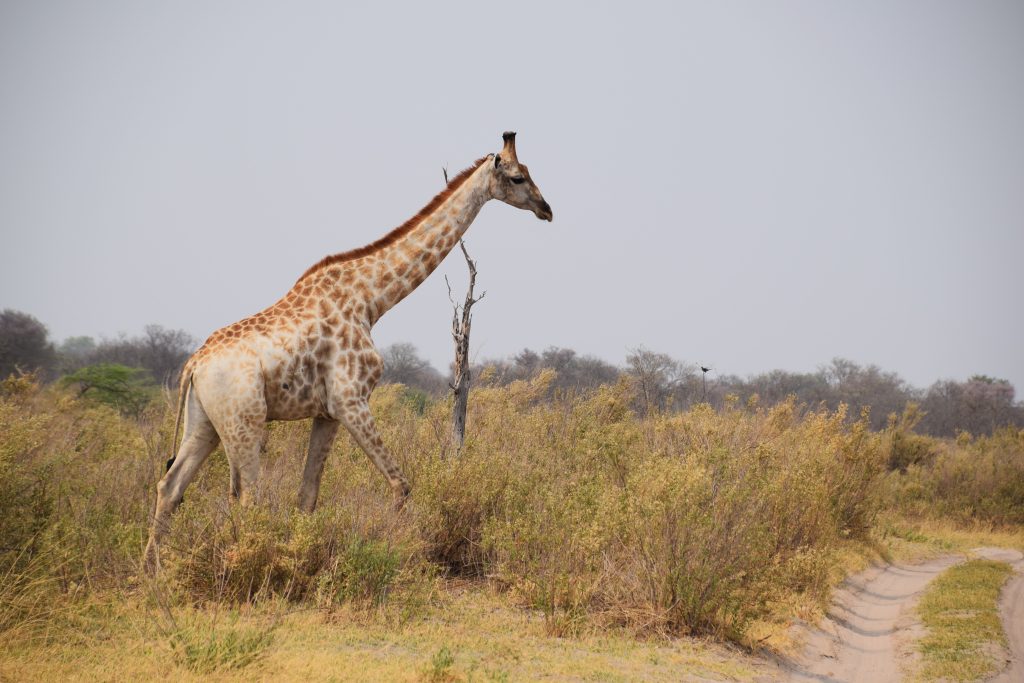
Wildlife moves through rather than resides in fixed numbers. The area is known for large giraffe herds, some of the larger sable and roan groups in Botswana, and substantial buffalo herds passing seasonally.
Elephant are the constant. Lion, leopard and the usual predators follow the game, and birdlife across the wider region runs past 400 species.
One conservation concern is well documented: forest cover across the six reserves has declined over the past two decades, attributed mainly to human-induced fires and to pressure from the growing elephant population itself.
Chobe Forest Reserve. The largest at around 154,500 hectares. Crossed by the transit route and the sand run in to Savuti‘s Ghoha Gate. Teak and mopane woodland with seasonal pans.
Kazuma Forest Reserve. The smallest at under 17,000 hectares and the most important ecologically, sitting on the elephant corridor linking Chobe with Hwange. Open plains, pans and ilala palms.
Kasane and Kasane Extension. Immediately south of Kasane, running to the Zimbabwe border. The most accessible for visitors, with a few camps and operators running walks and night drives.
Visiting the Chobe Forest Reserves
This is not a destination in the way Moremi or Savuti are, and expectations should be set accordingly.
There is currently no entry fee for the forest reserves themselves, though Chobe National Park fees apply if you continue into the park. Roads are unpaved and rough, so a 4×4 is needed.
A handful of camps operate in the Kasane and Kazuma reserves, and they trade on precisely what the reserves offer: proximity to Chobe without the vehicle numbers around Kasane. One camp sits around 25 minutes from Kasane, positioned near a pan with a viewing hide.
Because these are not national parks, operators here can run night drives and guided walks that Chobe itself prohibits, which is a genuine advantage.
Kazuma sits roughly an hour from Kasane airport and around two and a half hours from Victoria Falls, with the Pandamatenga border post nearby for itineraries combining Botswana and Zimbabwe.
The Transit Route and Self-Drive Access
Most travellers meet the forest reserves as road rather than destination, and it is worth knowing which roads.
The transit road passing through Chobe Forest Reserve and the tar road from Kasane to Ngoma are the routes that do not require a park entry permit, which matters for anyone driving between regions rather than game viewing.
The classic northern Botswana self-drive runs Kasane to Ngoma Gate, along the Linyanti transfer road, through Ghoha Gate to Savuti, covering roughly 220 kilometres with most of it in deep sand. The run in to Ghoha is loose sand for over 40 kilometres and requires dropped tyre pressures and low range.
From Kasane, a track leaves the A33 southeast after around 20 kilometres toward the forest reserve, and another route runs south on the main road toward Nata before turning onto a cutline.
Distances look short on a map and are not. Allow 20 to 25 kilometres per hour on game-viewing tracks and 30 to 40 on transfers.
If you are staying at Kasane and want a night drive or a guided walk, the forest reserves are the answer. Chobe National Park permits neither, and the reserves sit within half an hour of most riverfront lodges.
Best Time to Visit the Chobe Forest Reserves
The reserves follow the same rhythm as Chobe itself, with one important difference.
In the dry months from May to October, wildlife concentrates on the Chobe River and the forests empty out as animals head for permanent water. Game viewing in the reserves is correspondingly thinner, though the seasonal pans hold on for a while.
In the green season from November to April, the pattern reverses. Rain fills the pans across the forests, elephant and buffalo disperse away from the river into this country, and the reserves come into their own precisely when the riverfront quietens.
That inversion is the argument for including them. A green season trip that would struggle on the riverfront alone can work well with a forest reserve leg attached.
Roads become harder after heavy rain, so self-drivers should factor that in.
Frequently Asked Questions About Chobe Forest Reserve
How big is Chobe Forest Reserve?
Around 154,500 hectares, or roughly 1,545 square kilometres, with one government source giving 1,740 square kilometres. It is the largest of six forest reserves in the Chobe District, the others being Sibuyu, Kasane Extension, Maikaelelo, Kazuma and Kasane. Together the six cover approximately 4,200 to 4,370 square kilometres depending on the source, representing close to four percent of Botswana’s total protected land.
Can you visit Chobe Forest Reserve?
Yes, and there is currently no entry fee for the forest reserves themselves, though Chobe National Park fees apply if you continue into the park. Roads are unpaved and rough so a 4×4 is required. A handful of camps operate in the Kasane and Kazuma reserves. The reserves have no gates in the safari sense and very little visitor infrastructure, since they were created for forestry rather than tourism.
What is the difference between a forest reserve and a national park in Botswana?
Forest reserves were established under forest legislation to protect timber resources, principally Zimbabwean teak, mukwa and mopane, and are managed separately from the parks. Under that law subsistence and commercial use are prohibited with rare exemptions. Practically, they have no entry gates or fees of their own, minimal infrastructure, and crucially they permit night drives and guided walks that national parks like Chobe prohibit.
Why are the Chobe forest reserves important?
They function as wildlife corridors. Elephant herds that gather along the Chobe riverfront disperse into these forests, using rain-filled pans and vegetation the reserves provide, and specific corridor areas along the Zimbabwe border let zebra, eland, elephant and buffalo reach habitat they could not otherwise access. Kazuma sits on what is described as the busiest elephant corridor in the region, linking Chobe with Hwange across the border.
Can you drive through Chobe Forest Reserve without a park permit?
Yes. The transit road passing through Chobe Forest Reserve and the tar road from Kasane to Ngoma do not require a Chobe National Park entry permit, which matters for travellers moving between regions rather than game viewing. Anywhere inside the national park itself does require a permit. The sand route from Ngoma through to Ghoha Gate and Savuti runs roughly 220 kilometres with over 40 kilometres of loose deep sand.
When is the best time to visit the Chobe forest reserves?
The green season from November to April, which inverts the pattern on the riverfront. Rain fills pans across the forests and elephant and buffalo disperse into this country away from the river, so the reserves come into their own exactly when the Chobe riverfront quietens. In the dry months game concentrates on the permanent river and the forests empty out. Roads become harder after heavy rain.
Booking Your Botswana Trip
The safari companies and tour operators listed on this website put trips like this together for a living and know which camps, guides and routes actually deliver. We are an independent guide to Botswana; we do not book or sell tours ourselves.
When you are ready, arrange your safari, tour or holiday with one of the recognised operators listed here. Tell them your dates and what matters most, and a real person, not a form, will handle the itinerary, park bookings and logistics for you.