Fishing in Botswana
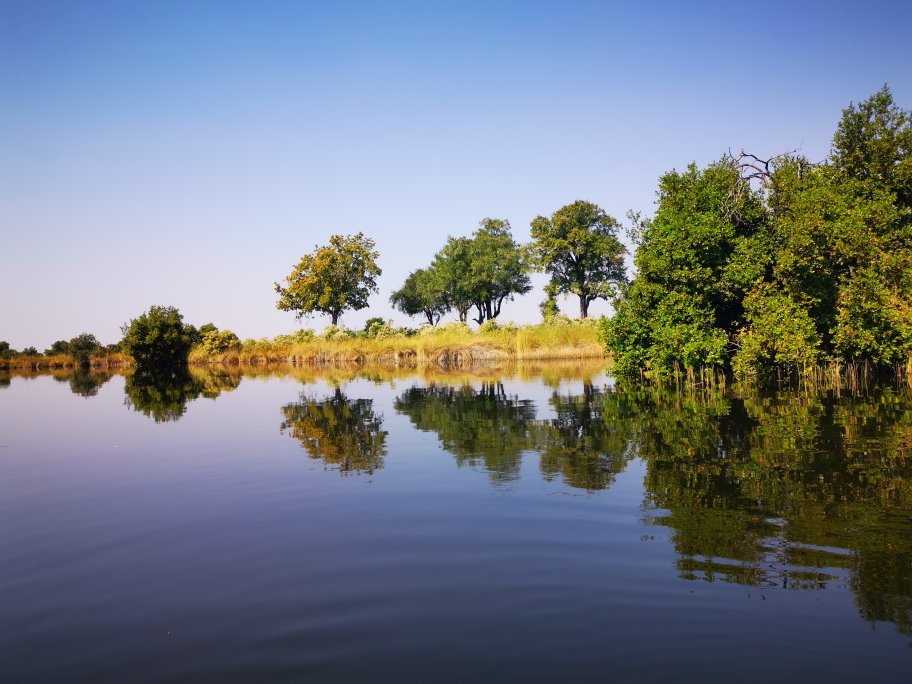
Botswana offers some of Africa’s best freshwater fishing, with tigerfish the prize species alongside nembwe, bream and African pike across the Okavango Delta, the Panhandle, the Chobe and the Linyanti. Fishing is closed nationally during January and February for the breeding season. The Okavango Panhandle is the country’s tiger fishing centre, and the barbel run between September and December produces the most dramatic angling of the year.
Where to Fish in Botswana
Four systems carry the fishing, and they differ enough that choosing between them matters.
The Okavango Panhandle in the far northwest is the centre of Botswana tiger fishing. Here the river is still a proper river, deep and permanent between fault lines, and it is reachable by road from Maun, which makes it the most accessible serious fishing in the country.
The Okavango Delta proper offers excellent fishing if you know where to go. Avoid camps on the seasonal fringes, where water levels drop away, and head for permanent-water camps where guides take you by motorboat into remote backwaters.
The Chobe River holds tigerfish reported up to around 20 pounds, drawing anglers from around the world, and it combines fishing with the best game viewing in the country.
The Linyanti is strictly seasonal, limited in the main to the flood months, and is better for bream than tigerfish.
The single most common fishing mistake in Botswana is booking a Delta camp on the seasonal fringe. Water levels there drop away and the fishing goes with them. Permanent-water camps are the ones to look for.
Tigerfish and the Species You Will Catch
Tigerfish is what most anglers come for and it deserves its reputation.
Hydrocynus vittatus is regarded as Africa’s prime freshwater target on fly, a ferocious fighting fish with an olive back, silver flanks and a mouth full of interlocking teeth. Specimens reach around nine kilograms, and Chobe fish of about 20 pounds are reported.
They take flies readily and will attack almost anything when in the mood, with early morning and late afternoon the productive windows.
Nembwe, a large serranochromis, is the other prized species and fishes well from around August into September.
Bream, meaning the various tilapia species, are the accessible option and provide steady sport, with March and April a good period though mosquito numbers are high then.
African pike and barbel, the sharptooth catfish, complete the main list, and barbel drive the year’s most dramatic fishing.
The Barbel Run
This is the event that serious anglers plan trips around and it happens almost exclusively in the far north of Botswana.
As floodwaters recede from around August, millions of tiny fish are dragged out of the shallow floodplains and into the main channels. Shoals of barbel assemble and drive the baitfish ahead of them up into the Panhandle in a feeding frenzy.
Tigerfish join in, which is the point. A concentration of predatory fish attacking bait in shallow water, with birds working the same shoals overhead, produces angling that experienced fly fishermen describe as unlike anything else on the continent.
The run takes place anytime from September through to December, with sources also giving September to November as the peak window.
The chance of landing several tigerfish in a session is exceptionally high during the run.
Book well ahead if this is your target, since the lodges positioned for it are few.
Seasons and the Closed Period
Timing decides everything in Botswana fishing and there is one absolute rule.
Fishing is closed nationally throughout January and February for the breeding season. This is not negotiable and applies everywhere.
Beyond that, the Delta’s annual flood drives everything. Fish disperse into the seasonally flooded plains to breed during the flood months from roughly May to August, which makes fishing unproductive as they spread out.
From September the water recedes and fish concentrate back into the permanent channels and lagoons, which is when fishing peaks. October and November are frequently named as the best months, when the water is warmest, though September and October are also cited and coincide with the region’s best game viewing.
The Chobe runs differently, fishing well through the May to October dry winter when receding water flushes baitfish out of the floodplains and tigerfish take easy targets.
The Linyanti is limited to the flood season from roughly May to August.
Okavango Panhandle. Tiger fishing centre, reachable by road from Maun, best during the barbel run from September to December. Also strong birding, with a large share of Botswana’s species present.
Okavango Delta. Permanent-water camps only, reached by light aircraft. Tigerfish, nembwe, African pike and bream, peaking September through November when water recedes and fish concentrate.
Chobe and Linyanti. Chobe fishes well May to October with tigerfish up to around 20 pounds and world-class game viewing alongside. Linyanti is seasonal, roughly May to August, and better for bream.
Catch and Release and the Rules
Botswana takes its freshwater fisheries seriously and the regulations reflect that.
Catch and release is standard practice across the country and is compulsory for tigerfish in many areas, particularly in the Okavango. Bream carry moderate limits where retention is permitted.
Destructive methods including explosives and poison are prohibited outright, and the Delta operates under strict rules throughout.
Camps operate on a catch and release basis as a matter of policy rather than only regulation.
Handle fish properly. Wet hands, minimal air exposure, support the body rather than lifting by the jaw, and return the fish facing into the current until it swims off on its own. A tigerfish’s teeth make gloves or a lip grip sensible.
Check current licensing requirements with your operator before travelling, since these change and camps handle the paperwork on organised trips.
Tackle and Practical Preparation
What you need depends on how serious you are.
Camps and lodges usually keep a stock of basic rods and reels, which is adequate for casual fishing. Fly fishing equipment is usually something guests must supply themselves.
For tigerfish on fly, eight to nine weight rods are the standard recommendation, with wire or heavy fluorocarbon traces to survive the teeth.
Bring more flies and lures than you expect to use, since tigerfish destroy them and replacements are not available anywhere nearby.
Sun protection is critical on the water, with a wide-brimmed hat, polarised sunglasses that also help you read the water, and high-factor sun cream.
Take a dry bag for anything that must stay dry, and note that mosquito numbers are high in March and April.
Book September or October if you can. Fishing peaks as receding water concentrates fish back into the channels, the barbel run brings tigerfish into a frenzy, and it coincides with the strongest game viewing of the year in the Delta and on the Chobe. That combination is difficult to beat.
Fishing Alongside a Safari
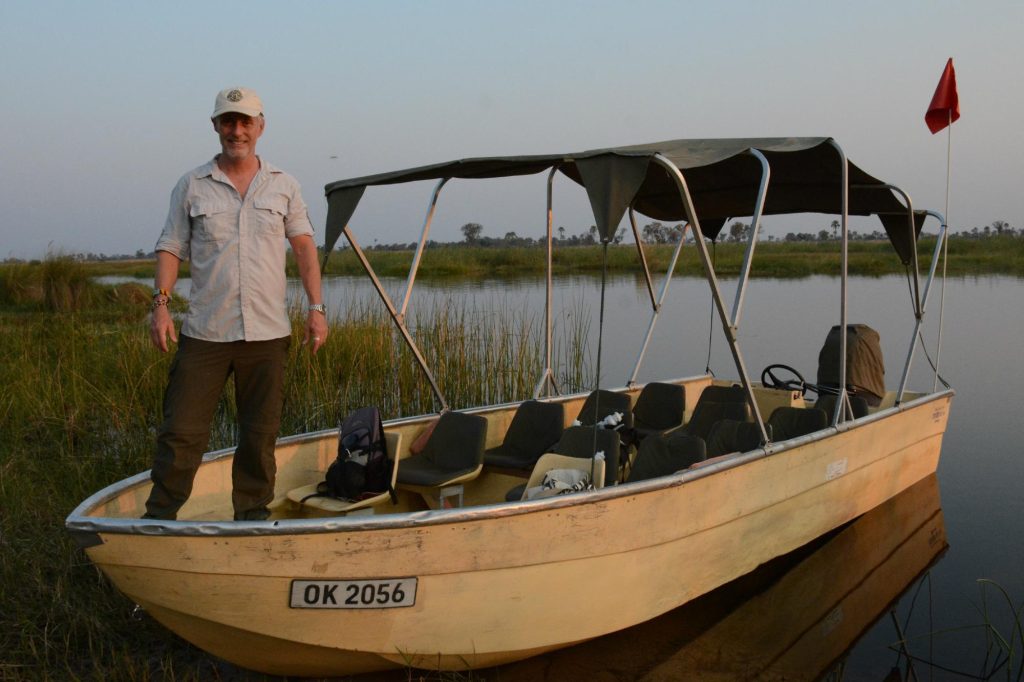
Fishing does not have to be the whole trip, and in Botswana it usually is not.
Many Delta and Chobe camps offer fishing as one activity among several, so a mixed group can fish while others take game drives, and the fishing is usually included in the all-inclusive rate.
The Chobe is the best combination, where the same river that produces tigerfish carries the highest elephant density in Africa, and a morning on the water can cover both.
The Panhandle is the option for a dedicated fishing trip, with lodges oriented toward anglers rather than general safari guests, and it pairs naturally with Tsodilo Hills nearby.
Houseboats operate on both the Chobe and the Panhandle, with extra fishing boats bookable alongside them, which suits a group whose whole purpose is angling.
For families, bream fishing is the accessible option and works well for children who would find a long game drive tedious.
Frequently Asked Questions About Fishing in Botswana
When is fishing closed in Botswana?
Throughout January and February, nationally, for the breeding season. This applies everywhere and is not negotiable. Outside that, timing is driven by the Okavango flood: fish disperse into seasonally flooded plains to breed from roughly May to August, making fishing unproductive, then concentrate back into permanent channels from September, which is when fishing peaks. October and November are frequently named the best months, when water is warmest.
Where is the best fishing in Botswana?
The Okavango Panhandle is the country’s tiger fishing centre and is reachable by road from Maun. The Delta proper fishes excellently from permanent-water camps, though camps on the seasonal fringe should be avoided since water levels drop away. The Chobe River holds tigerfish reported to around 20 pounds and combines angling with the best game viewing in Botswana. The Linyanti is seasonal, limited to roughly May to August, and better for bream.
What fish can you catch in Botswana?
Tigerfish is the prize, regarded as Africa’s prime freshwater target on fly, reaching around nine kilograms with Chobe fish of about 20 pounds reported. Nembwe is the other sought-after species, fishing well from August into September. Bream, meaning the various tilapia, provide steady accessible sport with March and April a good period. African pike and barbel, the sharptooth catfish, complete the main list, with barbel driving the year’s most dramatic fishing.
What is the barbel run?
A feeding frenzy occurring almost exclusively in far northern Botswana, when receding floodwaters from around August drag millions of tiny fish out of the shallows into the main channels. Shoals of barbel assemble and drive the baitfish up into the Panhandle, with tigerfish joining in. It takes place anytime from September through December, with September to November often given as the peak, and the chance of landing several tigerfish in a session is exceptionally high.
Is catch and release required in Botswana?
It is standard practice throughout and compulsory for tigerfish in many areas, particularly in the Okavango, with bream carrying moderate limits where retention is allowed. Destructive methods including explosives and poison are prohibited outright, and the Delta operates under strict rules. Camps run on a catch and release basis as policy. Handle fish with wet hands, minimise air exposure, support the body rather than lifting by the jaw, and revive properly before release.
Do lodges provide fishing equipment?
Most keep a stock of basic rods and reels, which suits casual fishing, though fly fishing equipment is usually something guests must supply themselves. For tigerfish on fly, eight to nine weight rods are the standard recommendation, with wire or heavy fluorocarbon traces to survive the teeth. Bring more flies and lures than you expect to use, since tigerfish destroy them and there is nowhere nearby to replace them.
Booking Your Botswana Trip
The safari companies and tour operators listed on this website put trips like this together for a living and know which camps, guides and routes actually deliver. We are an independent guide to Botswana; we do not book or sell tours ourselves.
When you are ready, arrange your safari, tour or holiday with one of the recognised operators listed here. Tell them your dates and what matters most, and a real person, not a form, will handle the itinerary, park bookings and logistics for you.