Birding Safaris in Botswana
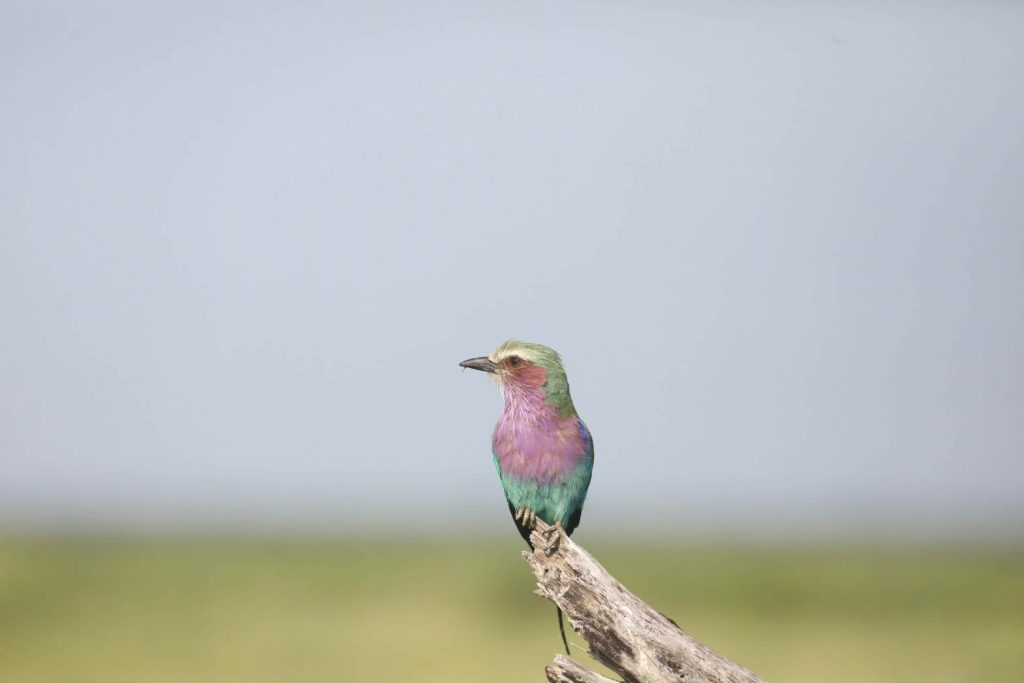
A birding safari in Botswana is best built around the green season from November to April, when migrants arrive and residents are in breeding plumage, which happens to be when rates fall by 30 to 45 percent. The country has no endemics, so the trip is about habitat range rather than a target list. Mokoro is the distinctive advantage, gliding silently close to water birds that flush from any boat or vehicle.
Building the Trip Around the Season
This is the decision that shapes everything else and it runs opposite to standard Botswana advice.
The wet months from November to April are the birding peak, with intra-African and Palaearctic migrants all present, residents in breeding plumage and food abundant. October just before the rains is the other strong window.
Those are the months most general safari visitors avoid, which means camps are quieter, rates drop by 30 to 45 percent and availability is far better.
A birding trip is frequently the cheaper trip as a result, and that is worth knowing before you compromise on camps.
There is an internal tension to resolve. Raptors improve in the dry months as prey concentrates and thermals build over open ground, while waterbirds and migrants peak in the wet. Decide which matters more before fixing dates.
Our page on the birds of Botswana covers the species and where they occur in detail.
Peak birding falls in Botswana’s low season. Better birds, fewer people and rates a third lower is an unusual combination, and it exists because most visitors book for mammals.
Choosing Camps for Birding
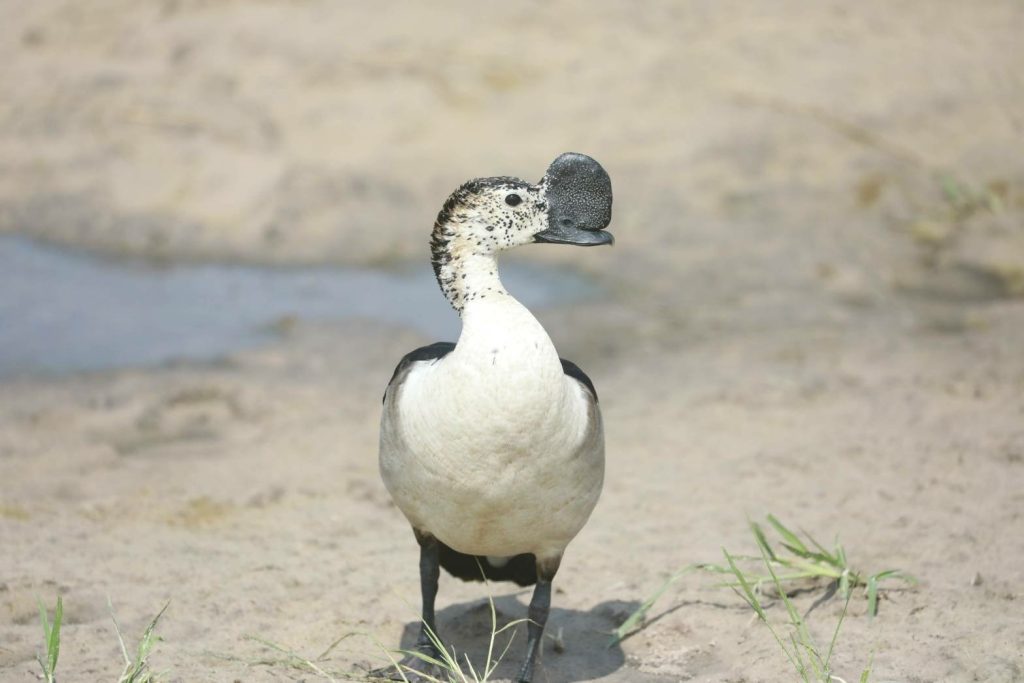
Camp selection matters more on a birding trip than on a general safari, and the criteria are specific.
Water plus land is the first rule. A camp offering both boat or mokoro activities and game drives produces a considerably longer list than either alone, which argues for permanent water camps that also run vehicles.
The Panhandle is the birding centre, with permanent deep water and nearly two thirds of Botswana’s species recorded in the region. Lodges there are oriented toward anglers and birders rather than general safari guests.
Inner Delta concessions deliver the papyrus specials that dry camps cannot.
Chobe and the Linyanti combine waterbirds with dry mopane species in one area.
The Kalahari and the pans hold an entirely different list, so a trip covering north and desert doubles the habitat range.
Tell the camp before arrival that birds matter. A property told in advance assigns a guide strong on calls and structures drives accordingly.
Mokoro Birding
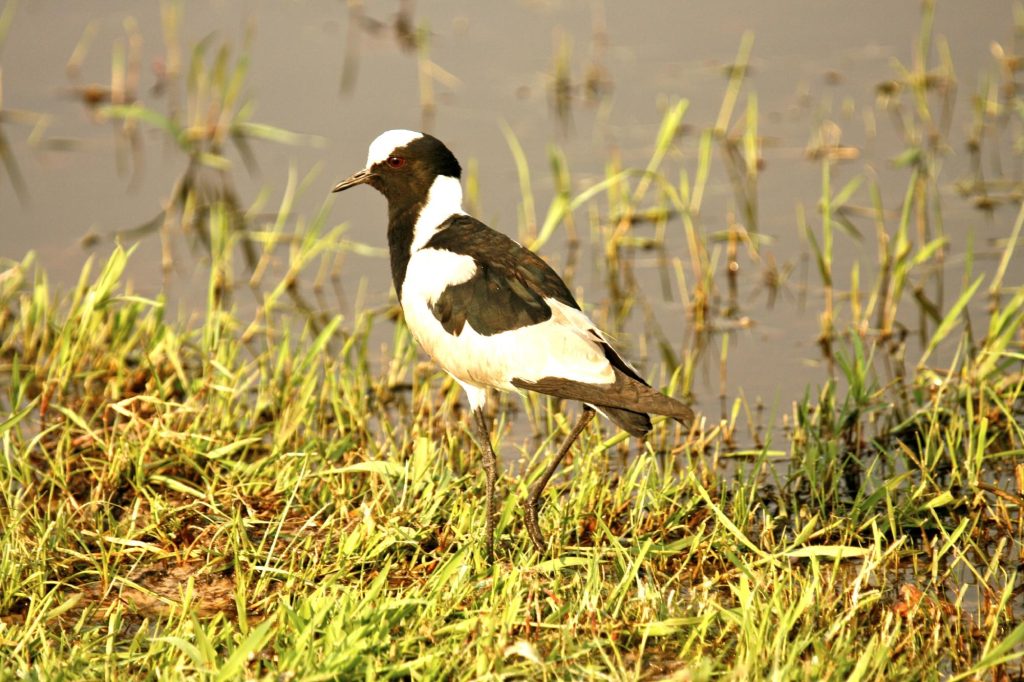
The single distinctive advantage of birding in Botswana and worth building a trip around.
A mokoro moves at walking pace with almost no sound, so water birds do not flush. Kingfishers, herons, jacanas and bitterns can be approached far closer than any motorboat or vehicle allows.
The lesser jacana picking across water lilies at a few metres is the image most birders take home.
It sits at water level, which suits photography, and a still poler can hold position on a subject indefinitely.
Several camps run dedicated birding mokoro excursions alongside birding walks, and asking for one rather than a general mokoro trip changes the route and the pace.
Availability depends on water levels, so confirm your camp sits on permanent inner Delta water rather than seasonal channels that drop away.
Guides and Equipment
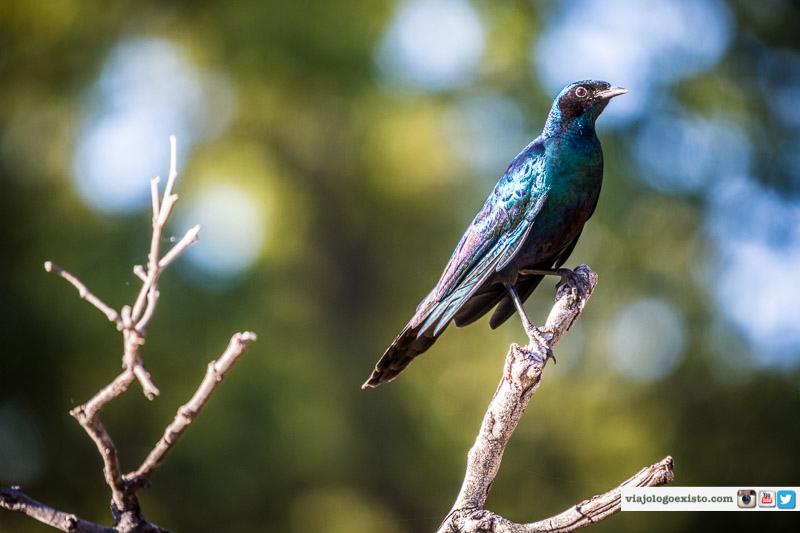
Two practical matters make a substantial difference.
Botswana guides are professionally licensed and most are strong on birds, but they default to predators because that is what most guests want. Saying otherwise on the first morning reshapes the whole trip.
Specialist birding guides can be arranged through operators, travelling with you across camps, which suits a serious list-building trip.
Bring your own binoculars. Camps may supply them and rarely guarantee it, and sharing across a vehicle means missing things. Eight or ten by forty-two is the standard choice, with the lower magnification easier to hold steady from a moving mokoro.
A field guide covering southern Africa rather than the whole continent is far more useful, and apps with calls are worth having, though playing calls to draw birds in is discouraged by most guides and prohibited outright by some camps.
On a fly-in trip, remember the roughly 20kg charter limit includes optics and any camera gear.
Panhandle-based trip. Permanent deep water, nearly two thirds of Botswana’s species, lodges oriented to birders. Reachable by road from Maun, which avoids charter luggage limits entirely.
Delta and Chobe combination. Inner Delta papyrus specials by mokoro plus Chobe waterbirds and dry mopane species. The standard shape, usually six or seven nights across two camps.
North plus desert. Adding the Kalahari or the pans brings a completely different species list, and Sowa Pan holds globally important flamingo numbers when flooded.
Structuring the Days
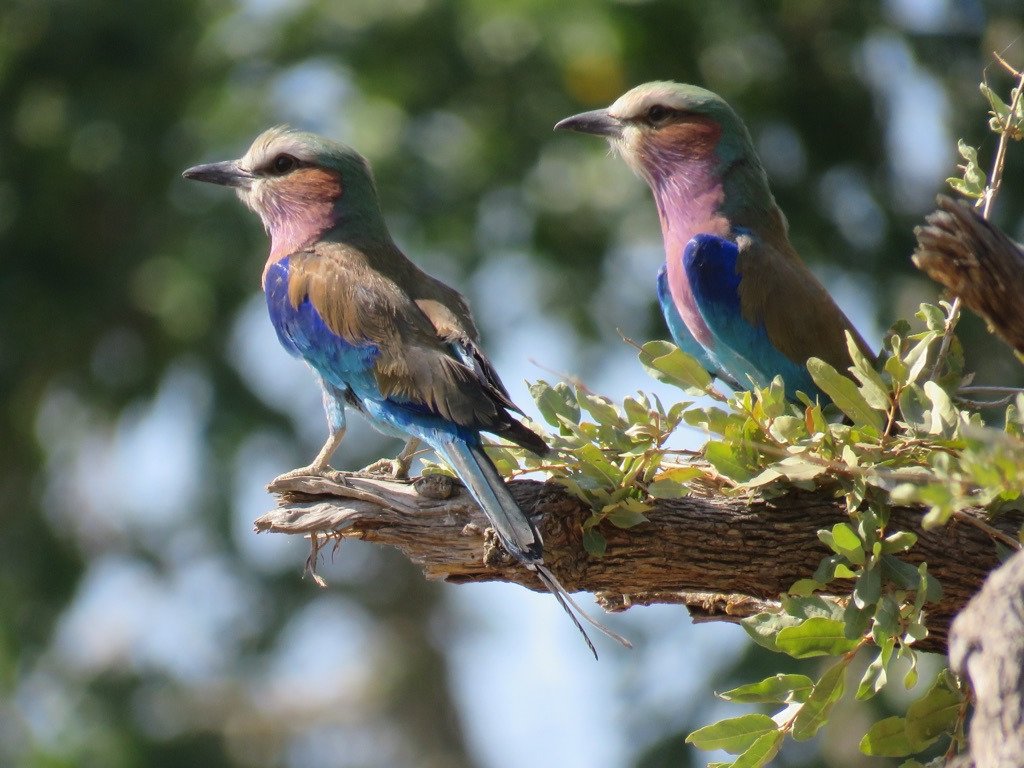
Birding rewards a different rhythm from general game viewing.
Early starts matter more, since bird activity and calling peak in the first two hours of light and fall away sharply by mid-morning.
Walking produces more species than driving. Guided walks on concessions, permitted where national parks restrict them, let you work habitat properly rather than passing through it.
The middle of the day, dead for mammals, is worth using around camp. Many properties have excellent birding within their own grounds and a productive hour can be had from a deck chair.
Ask for boat trips in the morning rather than the standard afternoon slot, which is quieter and better for birds.
Keep a list. Camps frequently have one at reception, guides enjoy adding to it, and the act of recording sharpens what you notice. It also gives the guide a reason to go hunting for the two or three species you are still missing on the final morning, which is often when the best sightings arrive.
A Note on the Flood
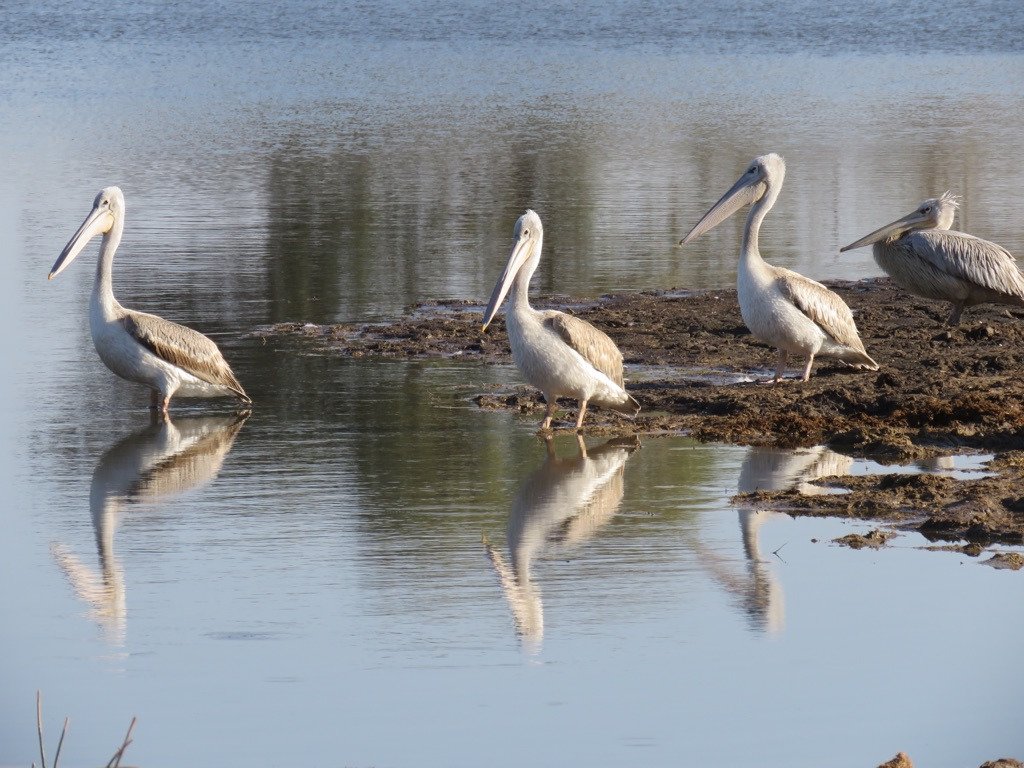
One event is worth timing for if you can.
As the Okavango floodwaters advance across dry ground, wattled cranes, storks, herons and egrets appear suddenly in numbers, congregating to feed on insects and small creatures driven ahead of the water.
It moves with the flood front rather than sitting in one place, so it needs an operator who knows where the water has reached that week.
The flood arrives in the Panhandle around April and reaches the outer Delta around July, so the spectacle travels through the system across those months.
Ask your operator what the flood is doing rather than relying on averages, since volume varies considerably year to year.
In low-flood years the effect is correspondingly muted.
On trip length, birders tend to do better with fewer camps and longer stays than a general safari itinerary suggests. Four nights in one productive area, working it properly at different times of day and in different habitats, will out-perform two nights each in two places, because the first day anywhere is largely spent learning where things are. A week across two camps is a sensible shape, and ten days across three is comfortable.
Two other timed events are worth knowing about. Carmine bee-eaters nest colonially in riverbanks along the Chobe and the Zambezi around September, and a colony of several hundred birds working a bank is among the more spectacular sights in the country. Flamingos arrive on Sowa Pan in globally important numbers when it floods after good rain, though that depends entirely on rainfall and does not happen in dry years.
Book the green season and put the saving into a specialist guide rather than a smarter camp. A guide who knows the calls will add more to your list in one morning than an upgraded tent adds to the whole trip.
Frequently Asked Questions About Birding Safaris in Botswana
When should I book a birding safari in Botswana?
November to April, the wet months, when intra-African and Palaearctic migrants are present, residents are in breeding plumage and food is abundant, with October just before the rains also strong. That is the green season, when rates fall 30 to 45 percent and camps are quieter, so a birding trip is frequently the cheaper trip. Raptors are the exception, improving in the dry months as prey concentrates and thermals build.
What kind of camp suits a birding trip?
One offering both water and land activities, since that produces a considerably longer list than either alone. Permanent inner Delta water camps that also run game drives are ideal. The Okavango Panhandle is the birding centre, with lodges oriented toward birders and anglers and nearly two thirds of Botswana’s species recorded in the region. Adding a Kalahari or pans leg brings an entirely different species list.
Why is a mokoro good for birding?
Because it moves at walking pace with almost no sound, so water birds do not flush. Kingfishers, herons, jacanas and bitterns can be approached far closer than from any motorboat or vehicle, and the mokoro sits at water level, which suits photography, while a still poler can hold position on a subject indefinitely. Several camps run dedicated birding mokoro excursions, which follow different routes from general trips.
Do I need a specialist birding guide?
Not necessarily, since Botswana guides are professionally licensed and most are strong on birds, but they default to predators because that is what most guests want. Telling the camp in advance means a guide who knows the calls and drives structured accordingly. Specialist birding guides can be arranged to travel with you across camps, which suits serious list-building. Bring your own binoculars, since camps rarely guarantee them.
What is the flood front spectacle?
As Okavango floodwaters advance across dry ground, wattled cranes, storks, herons and egrets appear suddenly in numbers to feed on insects and small creatures driven ahead of the water. It moves with the flood rather than staying in one place, so it needs an operator who knows where the water has reached. The flood enters the Panhandle around April and reaches the outer Delta around July, and volume varies considerably year to year.
Are there endemic birds in Botswana?
No, Botswana has no endemic species of its own, so a birding trip here is about habitat range rather than a target list. What it does have is near-endemics and specials worth travelling for, including slaty egret, of which almost 85 percent of the world population is thought to occur in the Delta, and the Okavango holds Africa’s largest wattled crane population. Pel’s fishing owl is the sighting most birders pursue.
Booking Your Botswana Trip
The safari companies and tour operators listed on this website put trips like this together for a living and know which camps, guides and routes actually deliver. We are an independent guide to Botswana; we do not book or sell tours ourselves.
When you are ready, arrange your safari, tour or holiday with one of the recognised operators listed here. Tell them your dates and what matters most, and a real person, not a form, will handle the itinerary, park bookings and logistics for you.