Photography Safaris in Botswana
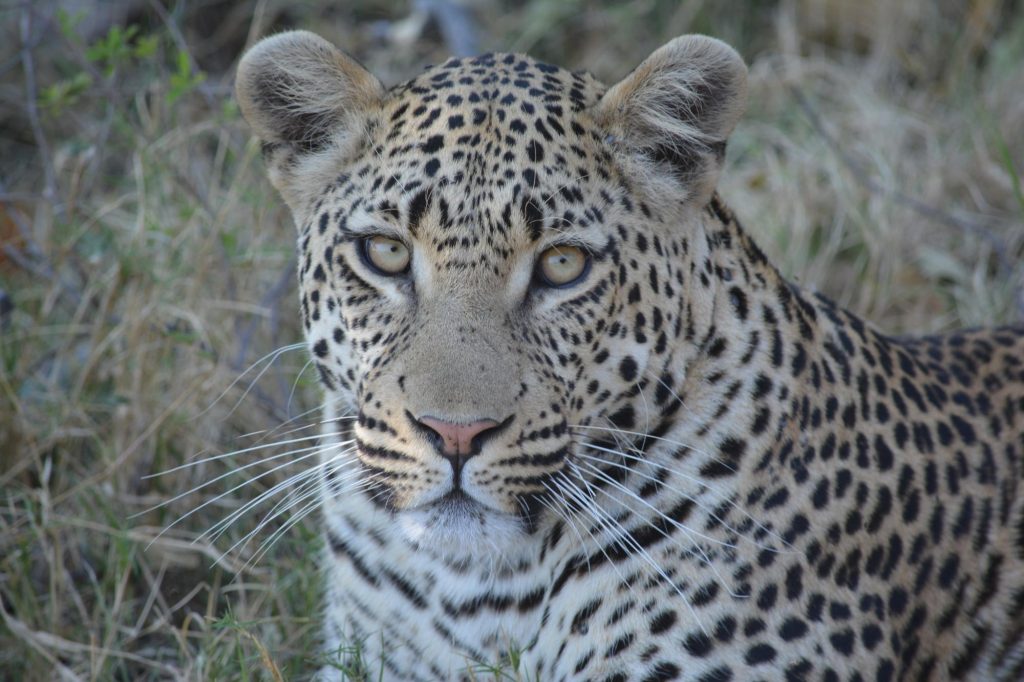
Botswana suits photography better than almost anywhere in Africa, because private concessions permit off-road driving and night drives, boat safaris on the Chobe put you at water level with elephants, and vehicle numbers at a sighting are capped by lease agreement. The single most useful booking decision is a private vehicle, and the single biggest constraint is the 20kg charter luggage limit that includes all your camera gear.
Why Botswana Works for Photographers
Three structural things matter more than any camp’s styling.
Off-road access. Private concessions permit leaving the track, which means a guide can position the vehicle for light and angle rather than shooting whatever the road offers. National parks prohibit it entirely, so a photographer in Moremi or Chobe is stuck with the track.
Vehicle caps. Concession agreements limit how many vehicles attend a sighting, commonly two to four against twenty or more in the busiest East African reserves. Nobody else is in your frame.
Water. Boat safaris on the Chobe and in the Delta put the camera at or below eye level with the subject, producing low angles, clean backgrounds and reflected light that no vehicle can match.
Night drives, permitted on concessions and in community areas, add a fourth layer that most African destinations cannot offer at all.
The park boundary decides your photography more than your kit does. Off-road driving and night drives are concession privileges, and no camera solves the problem of being confined to a track in flat light.
Book a Private Vehicle
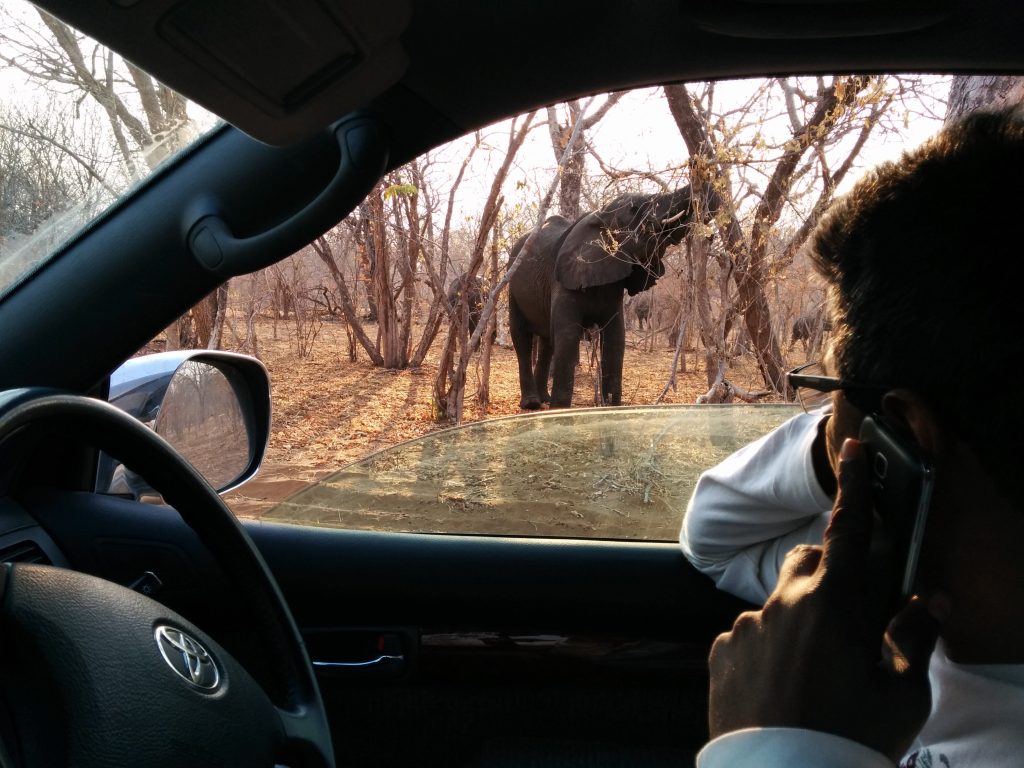
This is the decision that transforms a photographic trip and it is worth more than a camp upgrade.
On a shared vehicle you cannot control position, timing or seating. The guide balances a photographer against guests who want to move on, and the person in the best seat changes every drive.
A private vehicle means the guide positions for your light, waits as long as the subject holds, leaves when you say and takes the route you want.
Seating matters more than people expect. On a private vehicle you take the corner seat with the clear sightline every time.
For a party of four or more the cost divided across the group approaches the shared rate, which makes it close to a non-decision.
Some operators run purpose-built photographic vehicles with beanbag rails, camera mounts, swivel seats and charging points.
The Chobe Photographic Boats
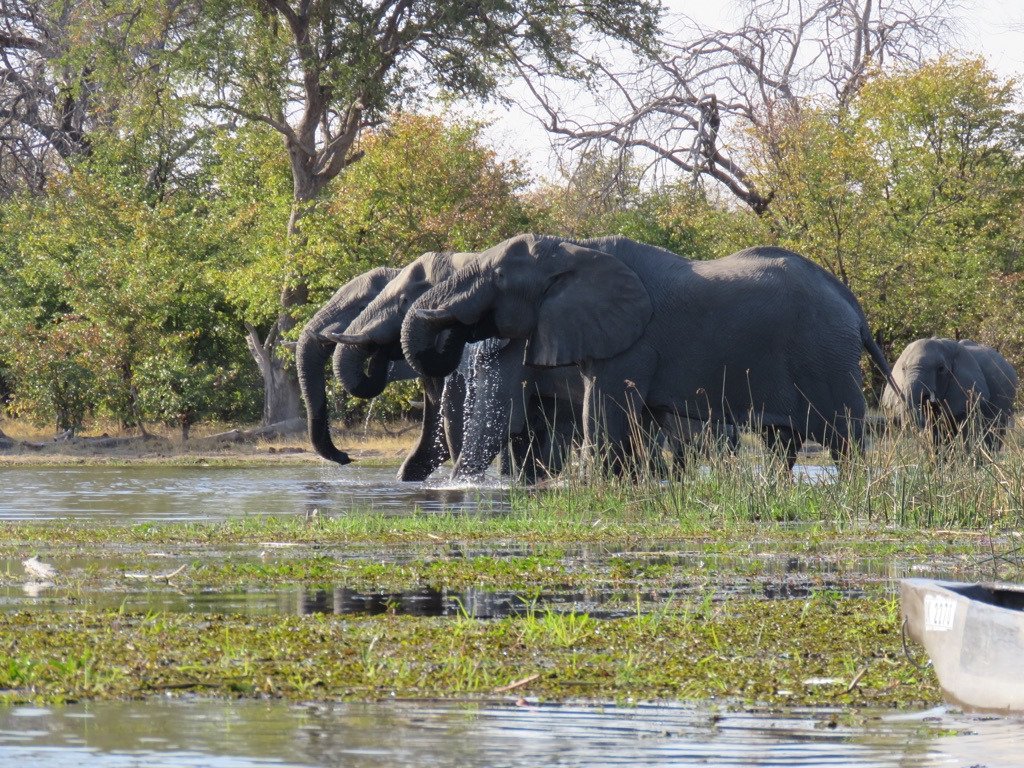
Botswana’s distinctive photographic asset and worth building a trip around.
Purpose-built photographic boats operate on the Chobe with swivel seats at water level, camera mounts and, on some, a professional photographer aboard to advise.
What they deliver is angle. Shooting an elephant drinking from water level rather than down from a bank produces a completely different image, with clean backgrounds, reflected light and eye contact.
Small boats hold position on a subject; large multi-deck cruisers cannot, and are a poor choice for photography whatever the comfort.
Ask for a photographic boat by name rather than a river cruise, since the two are sold under similar names at similar-sounding prices.
Morning trips are quieter than afternoons, which carry day visitors crossing from Victoria Falls.
Some camps also run underground and water-level hides, which give ground-level perspectives on animals at a waterhole.
Hides deserve seeking out because they solve a problem vehicles cannot. Shooting up at an elephant from below eye level produces a scale and presence that a picture taken down from a seat never will, and a hide lets you stay in one position for hours while animals come and go. Several Delta and Linyanti camps have built them, and asking which properties have a hide is a reasonable filter when shortlisting.
Kit and the Luggage Problem
The charter weight limit is the hard constraint on a Botswana photographic trip and it needs planning around.
Light aircraft allow roughly 20kg per person total, including hand luggage and camera gear, in a soft bag with no rigid frame. Some operators set 15kg.
Photographers with long lenses and tripods frequently need to pre-book an extra seat, which carries around 80kg of additional capacity. That must be arranged in advance, and excess presented at the airstrip is carried at the captain’s discretion or left behind.
On kit: a 100-400 or 200-600 zoom covers most situations, with a shorter zoom for wide scenes and a fast prime if night drives matter. Two bodies saves changing lenses in dust.
Bring a beanbag rather than a tripod. You cannot leave the vehicle in a park and legs take too long to set up, whereas a beanbag on a door frame or rail works instantly.
Dust is constant. Sealed bags, a blower and minimal lens changes in the field.
Private concessions. Off-road driving, night drives, capped vehicle numbers. Linyanti, Selinda, Kwando and the Delta concessions. The best photographic conditions in the country.
Chobe riverfront. Photographic boats with swivel seats at water level, elephants at eye level, clean backgrounds and reflected light. No charter flight needed, so no luggage limit.
Khwai community area. Off-road driving and night drives at community rates rather than concession rates, with high leopard and wild dog densities. The value option for photographers.
Where and When
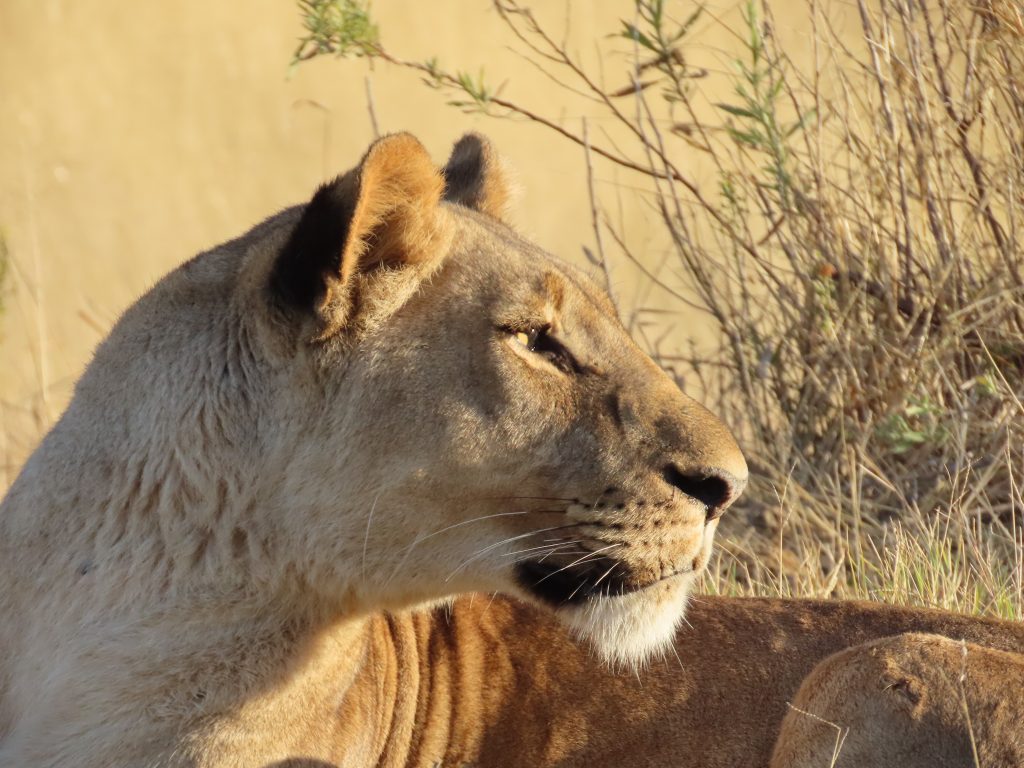
Timing and place both matter, and they interact.
September and October give the sharpest conditions in the north: thin bush, concentrated game, dust for atmosphere and the strongest predator activity. October is punishing in heat.
June and July offer cold clear mornings with good light and lower dust.
The green season from December to April produces dramatic skies, newborn game and green backgrounds, and is far better for birds. In the Kalahari and on the pans it is peak season, which makes it the best value photographic window in the country.
For specific subjects: wild dog denning runs roughly May to July, elephant concentrations on the Chobe and Linyanti peak July to October, the zebra migration reaches the pans December to March, and carmine bee-eater colonies nest in riverbanks around September.
Aerial photography needs a doors-off helicopter rather than a fixed-wing flight, since a window makes clean images impossible.
Working With Your Guide
The largest gains on a photographic trip come from communication rather than equipment.
Say on the first morning that you are photographing seriously and what you are after. Most guests never do, and a guide left to guess defaults to the standard circuit.
Be exact about light. Ask to be positioned with the sun behind you, or to wait for an animal to move into a clear background, and a good guide will work to it.
Ask for the engine off at a sighting. Idling vibration reaches long lenses, and most guides do this unprompted once they know.
Some camps run a guide and tracker system with a tracker reading spoor from the front of the vehicle, which substantially improves the odds of finding predators rather than meeting them by chance.
Tip accordingly. A guide who has spent a week working to your light has done considerably more than a standard drive.
Manage your own expectations about volume too. A week of serious photography in good conditions might produce a handful of images worth keeping, and photographers who measure a trip by frames taken rather than by the two or three sightings they worked properly tend to come away disappointed. The best days are usually the ones where you stayed with one subject for two hours rather than covering ground.
Choose a concession over a park camp, then book a private vehicle, then worry about kit. A photographer on a shared vehicle inside a national park is limited by rules and other people in ways no lens can compensate for.
Frequently Asked Questions About Photography Safaris in Botswana
Why is Botswana good for wildlife photography?
Three structural reasons. Private concessions permit off-road driving, so a guide can position for light rather than shooting from the track, which national parks prohibit entirely. Concession agreements cap vehicle numbers at a sighting, commonly two to four against twenty or more in the busiest East African reserves. And boat safaris put the camera at or below eye level with the subject, producing low angles and clean backgrounds no vehicle can match.
Do I need a private vehicle for a photography safari?
It is the single most valuable booking decision, worth more than a camp upgrade. On a shared vehicle you cannot control position, timing or seating, and the guide is balancing you against guests who want to move on. A private vehicle means positioning for your light, waiting as long as the subject holds and taking the corner seat every drive. For four or more travellers the cost divided across the group approaches the shared rate.
How do I manage camera gear with the charter luggage limit?
Light aircraft allow roughly 20kg per person total including hand luggage and camera gear, in a soft bag with no rigid frame, and some operators set 15kg. Photographers with long lenses and tripods frequently pre-book an extra seat, which carries around 80kg of additional capacity, and this must be arranged in advance. Excess presented at the airstrip is carried at the captain’s discretion or left for a later flight.
What lenses should I bring to Botswana?
A 100-400 or 200-600 zoom covers most situations, with a shorter zoom for wide scenes and a fast prime if night drives matter. Two bodies saves changing lenses in dust, which is constant. Bring a beanbag rather than a tripod, since you cannot leave the vehicle in a park and legs take too long to set up, while a beanbag on a door frame or rail works instantly. Sealed bags and a blower are worth packing.
What is a Chobe photographic boat?
A purpose-built vessel with swivel seats at water level, camera mounts and on some a professional photographer aboard to advise. Shooting an elephant drinking from water level rather than down from a bank produces clean backgrounds, reflected light and eye contact. Ask for a photographic boat by name rather than a river cruise, since the two are sold under similar names, and choose small boats over large multi-deck cruisers, which cannot hold position.
When is the best time for photography in Botswana?
September and October in the north for thin bush, concentrated game, atmospheric dust and peak predator activity, at the cost of considerable heat. June and July give cold clear mornings with good light. The green season from December to April brings dramatic skies, newborn game and far better birds, and in the Kalahari and on the pans it is peak season, which makes it the best value photographic window in the country.
Booking Your Botswana Trip
The safari companies and tour operators listed on this website put trips like this together for a living and know which camps, guides and routes actually deliver. We are an independent guide to Botswana; we do not book or sell tours ourselves.
When you are ready, arrange your safari, tour or holiday with one of the recognised operators listed here. Tell them your dates and what matters most, and a real person, not a form, will handle the itinerary, park bookings and logistics for you.