Camera Gear for Safari
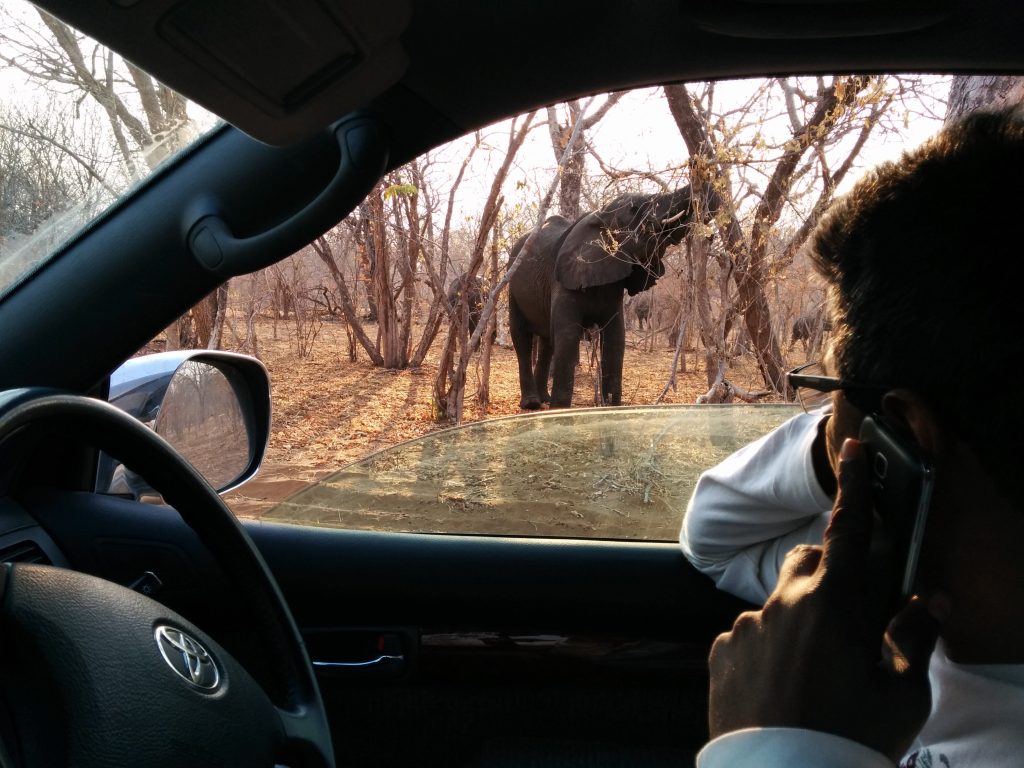
Camera gear for a Botswana safari is decided by two constraints: you need a telephoto lens of at least 300mm and preferably 400mm to 600mm, and your entire kit counts toward a charter luggage limit of roughly 20kg including clothing. A beanbag beats a tripod in an open vehicle, and avoiding lens changes matters more than owning another lens. Botswana is a southern African safari country where dust, low dawn light and light aircraft transfers shape gear choices more than the wildlife does.
Choosing a Telephoto Lens for a Botswana Safari
This is the decision that determines what you come home with, and everything else is secondary.
300mm is the practical floor for usable wildlife images. Below that you are photographing scenery with an animal in it. The range from 400mm to 600mm is where safari photography actually happens, and it covers the large majority of sightings you will get.
Zooms suit safari better than primes for most people. Sightings vary enormously in distance and a lion that was fifty metres away can walk to five, at which point a fixed 500mm is useless. Popular ranges include 100-400mm, 100-500mm, 180-600mm and 200-600mm, and any of them will serve you well.
Longer reach matters more in some places than others. The Central Kalahari and the open pans put distance between you and the animals, so 600mm earns its weight there. Chobe riverfront and Moremi often put you close enough that 400mm is plenty.
A 1.4x teleconverter adds reach for very little weight and cost, turning a 400mm into 560mm. It costs you a stop of light and some autofocus confidence, so test it at home before relying on it in dawn light.
Camera Bodies and the Two Body Question
Two bodies solve the biggest practical problem on a dusty safari, which is changing lenses.
Every lens change in the field invites dust onto the sensor, and Botswana from August onward is dust. Carrying one body with the long lens and a second with a wider zoom means you never swap, and it also means you can go from a full-frame animal portrait to the animal in its surroundings without missing the moment.
Full frame or crop sensor is less important than people argue. Crop sensors give useful extra reach, turning a 400mm into something behaving like 600mm. Full frame handles high ISO better, which matters at dawn. Both produce excellent results, and autofocus tracking, buffer depth and stabilisation matter far more than sensor size.
If two bodies is not realistic, take the long lens as your primary and accept that you will miss some wide shots. Most people would rather have the animal than the context.
Weigh your full kit before you commit to it. A camera body, a 200-600mm, a second body and a wide zoom can reach 6 or 7kg, which is a third of a 20kg allowance before any clothing goes in. Photographers routinely wear their heaviest jacket onto the charter for exactly this reason.
Supporting a Long Lens in a Safari Vehicle
Tripods are close to useless on a Botswana safari and it is worth knowing why before packing one.
You cannot get out of the vehicle in a national park, the vehicle moves constantly, and setting up legs during a fast-moving sighting wastes the seconds that matter. A tripod is weight you cannot spare doing a job it cannot do.
A beanbag is the standard answer. Rested on the vehicle door or roof rail, it conforms to the shape, absorbs vibration and supports a heavy lens with no setup time. Bring it empty and ask the camp to fill it with rice or beans on arrival, which most will do happily if your operator mentions it in advance. Empty, it weighs almost nothing.
Some vehicles in photographic camps carry dedicated camera mounts on the roof hatch, and a window clamp is an alternative for very heavy glass. A monopod works for walking, though not in a vehicle.
Protecting Camera Gear From Dust in Botswana
Dust is the defining hazard, and it gets worse as the dry season progresses. From late August the west wind carries Kalahari dust across the country, which is what colours the sunsets and what ends up inside your camera bag.
The best defence is not cleaning gear but avoiding lens changes altogether, which is the practical argument for a second body and for internal-zoom lens designs that do not draw air in and out as they extend.
Carry a blower to clear dust from front elements and body exteriors. Lens cloths, more than you think. A rain or dust cover for the body and lens, which also handles the occasional green season downpour.
One detail experienced safari photographers mention that others do not: vehicle vibration loosens screws on tripod plates, lens collars and brackets over a week of corrugated tracks. A small multi-tool or screwdriver in your bag saves a rattling lens foot, though pack it in checked luggage rather than carry-on.
Batteries, Cards and Charging on a Safari Trip
Most Botswana camps run on solar, which has two consequences for a photographer.
Charging is slower and sometimes restricted to certain hours, and some camps have no charging point in the tent at all, offering a central charging station in the main area instead. Ask before you arrive.
Cold mornings drain batteries faster than you expect, so two or three per body is sensible rather than generous. Keep spares in an inside pocket on winter drives where body heat helps.
Bring more memory than you think. Safari shooting produces vastly more frames than ordinary travel, particularly with a camera capable of high burst rates, and running out on day three of ten is a genuine risk. Two large cards, or several smaller ones, plus a portable drive if you want to back up nightly. A battery pack keeps everything topped up on mobile camping trips where charging is limited.
Bring. Telephoto zoom in the 400 to 600mm range, second body where possible, wide or walk-around zoom, 1.4x teleconverter, empty beanbag, spare batteries, plentiful cards, blower and lens cloths, dust cover, dry bag.
Leave at home. Tripod, which cannot be used in a vehicle. Heavy prime lenses unless photography is the whole purpose of the trip. Drones, which need advance permits and cannot be flown over parks, reserves or wildlife. Anything you would not replace if it broke.
Shooting Conditions on a Botswana Safari
Wildlife activity peaks at dawn and dusk, which is exactly when light is at its most difficult, and that shapes how you set up.
Fast shutter speeds matter more than most beginners expect, because animals move suddenly and the vehicle is never perfectly still. Faster glass with a wide maximum aperture buys you shutter speed in low light, though modern sensors handle high ISO well enough that many photographers shoot comfortably at ISO 6400 rather than carrying heavier lenses.
The middle of the day is harsh, contrasty and largely dead for wildlife, which is why camps rest through it. That is your time for backing up files and cleaning gear.
Dust in the air during September and October scatters light and produces the warm hazy conditions photographers travel for. Winter light is sharp and clean by contrast, which suits low sun over water in the Delta.
Green season gives you thunderclouds, saturated colour and newborn animals, at the cost of finding fewer subjects.
Photographic Safaris and Specialist Camps in Botswana
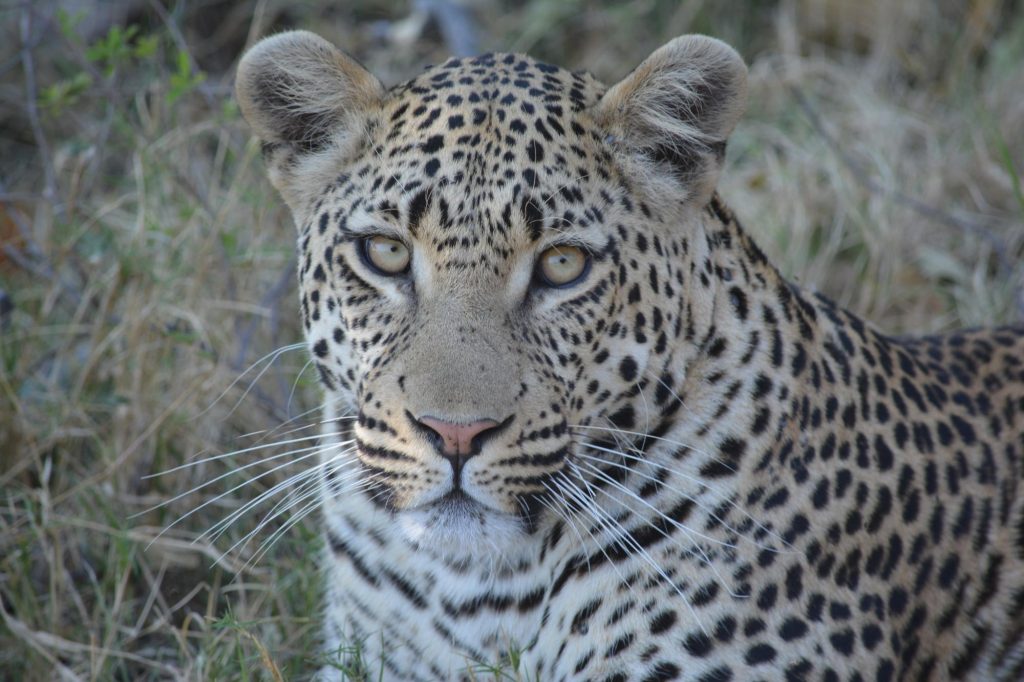
Some Botswana camps are built around photography rather than treating it as an extra, and the difference shows in ways that matter.
Photographic vehicles carry fewer guests so everyone gets a row, they have camera mounts and beanbags fitted, and the guides understand why you want to come in from a particular angle and wait rather than move on. Some run low-level hides at waterholes for eye-level work.
Private concessions matter to photographers for a separate reason. Off-road driving and night drives are permitted on concessions and prohibited inside national parks like Chobe and Moremi, which means a guide can follow a leopard into the treeline rather than watching it leave the track.
Booking a private vehicle, where available, removes the compromise of sharing a sighting with people who want to move on.
Frequently Asked Questions About Safari Camera Gear
What lens do I need for a safari in Botswana?
A telephoto of at least 300mm, with 400mm to 600mm being where most usable wildlife images come from. Zoom lenses suit safari better than primes because sighting distances vary wildly, and common choices include 100-400mm, 100-500mm, 180-600mm and 200-600mm. Longer reach earns its weight in the Central Kalahari and on the open pans where animals stay distant. Chobe and Moremi often put you close enough that 400mm is ample. A 1.4x teleconverter adds reach cheaply.
Should I bring a tripod on safari?
No. You cannot leave the vehicle inside a national park, the vehicle moves constantly, and setting up legs wastes the seconds that matter during a sighting. Bring a beanbag instead, which rests on the door or roof rail, conforms to the shape and absorbs vibration with no setup time. Carry it empty and ask the camp to fill it with rice or beans on arrival. A window clamp is an alternative for very heavy lenses.
How much does camera gear count toward safari luggage limits?
All of it. Charter aircraft to Botswana camps cap luggage at roughly 20kg per person including hand luggage and camera equipment, with some operators enforcing 15kg. A serious kit of two bodies, a 200-600mm and a wide zoom can reach 6 or 7kg before any clothing. Options are storing excess at Maun or Kasane airport, or pre-booking an additional charter seat for a larger allowance at extra cost. Many photographers wear their heaviest clothing onto the flight.
Do I need two camera bodies for a safari?
It helps considerably, though it is not compulsory. Two bodies mean you never change lenses in dust, which is the main threat to your sensor in Botswana from August onward, and you can switch instantly between a tight animal portrait and a wider environmental frame. If one body is your reality, fit the long lens and accept missing some wide shots. Internal-zoom lens designs also help, since they do not draw dust in as they extend.
Can I charge camera batteries at safari camps in Botswana?
Usually, though not always in your tent. Most camps run on solar, so charging can be slower than at home and sometimes restricted to certain hours, and some properties offer only a central charging station in the main area rather than sockets in rooms. Ask before arrival. Bring two or three batteries per body, since cold winter mornings drain them faster, and keep spares in an inside pocket where body heat helps.
Can I bring a drone to photograph a Botswana safari?
Not usefully. Drones require an import permit applied for in advance plus registration with the Civil Aviation Authority, including police fingerprint clearance and security vetting that can take up to 30 days. Flying over national parks, game reserves, wildlife and tourism facilities is prohibited, which covers almost every location on a safari itinerary. Drones are regularly confiscated from arriving passengers. Scenic light aircraft or doors-off helicopter flights are the legal alternative and produce better footage.
Booking Your Botswana Trip
The safari companies and tour operators listed on this website put trips like this together for a living and know which camps, guides and routes actually deliver. We are an independent guide to Botswana; we do not book or sell tours ourselves.
When you are ready, arrange your safari, tour or holiday with one of the recognised operators listed here. Tell them your dates and what matters most, and a real person, not a form, will handle the itinerary, park bookings and logistics for you.