Tipping in Botswana
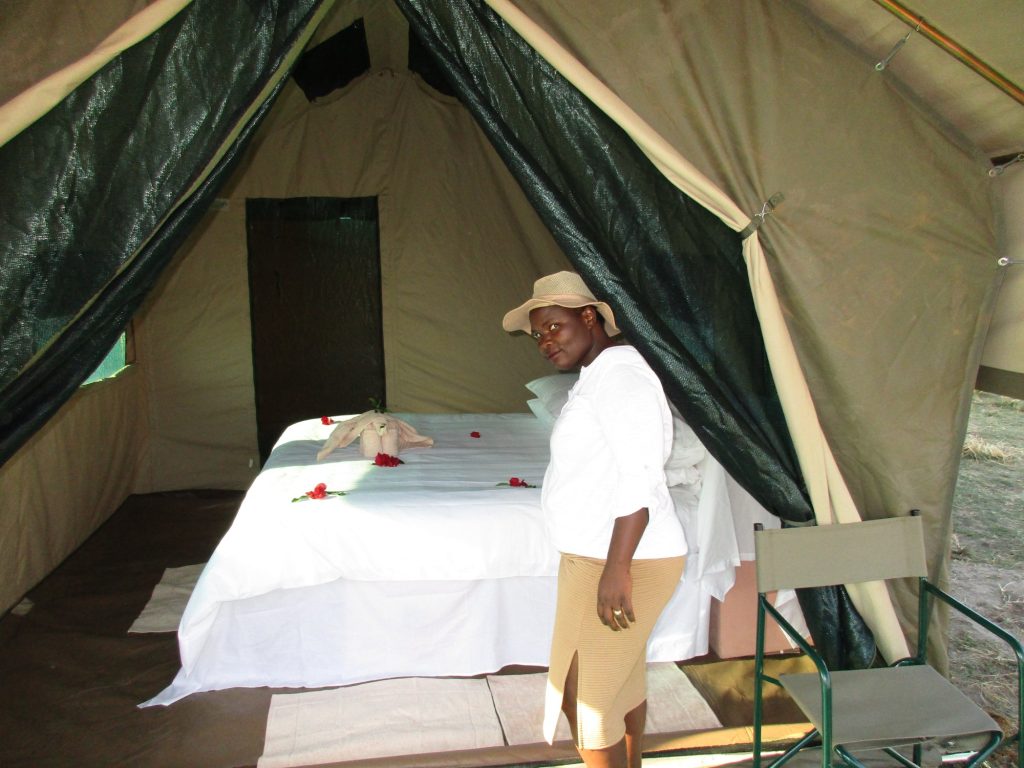
Tipping in Botswana is customary rather than compulsory, and on safari the convention is to tip your guide separately and leave a single amount for the wider camp team at the end of your stay. Guides on activities outside the standard game drive are usually tipped at the time. Botswana is a southern African safari country where camp rates are all-inclusive, meaning gratuities are one of the few remaining cash costs on an otherwise prepaid trip, and amounts are set out in the FAQ below.
How Tipping Works at a Botswana Safari Camp
The system is simpler than most people fear, and getting it slightly wrong causes nobody any distress.
Two tips are standard at the end of a stay. One goes to your guide, given directly, since the guide is who you spent every drive with and who found the leopard. The other goes to the general staff team, left as a single amount in the communal tip box rather than handed to individuals, and split among everyone you never see: kitchen, housekeeping, maintenance, the people who moved your bag from the aircraft.
Where a tracker works alongside your guide, they are tipped separately and usually at around half the guide amount.
Tip at the end of the stay rather than daily. Camps will tell you where the box is during your departure briefing, and staff never ask.
Tipping Guides on Game Drives and Walking Safaris
Your guide is the single person who most shapes your safari, and the tipping convention reflects that.
The amount is usually calculated per traveller per night rather than per group or per drive, so a couple staying four nights tips for eight traveller-nights between them. Hand it over on the last morning, in an envelope if the camp provides one, and say something. Guides remember what people say more than what they give.
Where a private guide has been booked for your party alone rather than a camp guide shared with other guests, tipping tends to run higher, since that person is working exclusively for you throughout.
Walking safari guides are licensed and armed and carry real responsibility. Where a walk is led by someone other than your regular guide, tip them at the end of the activity.
Tip the guide directly and the rest of the team collectively. Handing separate amounts to individual staff undermines the pooling system that makes sure the kitchen and housekeeping get their share.
Tipping for Mokoro Trips, Boat Safaris and Other Activities
Activities run by someone outside your usual guide team are tipped at the time rather than rolled into the end-of-stay amount.
Mokoro polers are the clearest case. Poling a dugout through channels for two hours is hard physical work, the poler is frequently from a nearby community rather than camp staff, and they may not share in the general tip pool at all. The same applies to boat drivers on the Chobe or in the Delta, fishing guides, and staff running a horseback or quad biking activity.
Amounts here are modest and given directly at the end of the activity. Small notes matter, since nobody poling a mokoro is carrying change.
Tipping on Mobile Camping Safaris
Mobile safaris work differently because the team is small and travels with you for the whole trip.
You typically have a guide who is also your driver, plus a camp crew of two or three who move ahead, pitch camp, cook and break it down again. Tipping is done at the end of the trip rather than at each camp, with the guide tipped separately and a pooled amount left for the crew.
Because the same people look after you for a week or more, mobile safari tipping often ends up feeling more personal than at a lodge, and the crew genuinely notice whether guests engage with them. The relationship matters as much as the money.
Tipping Outside Safari Camps in Botswana
Away from the camps, expectations are lower and closer to European than American norms.
Restaurants in Gaborone, Maun and Kasane: around ten percent for good service, and check whether a service charge has already been added, which some establishments do for larger tables.
Taxi drivers are not routinely tipped, though rounding up the agreed fare is normal. Agree the fare before setting off, since meters are not universal.
Hotel porters and housekeeping take small amounts in Pula. Car guards, the informal attendants who watch parked vehicles in town car parks, are tipped a few Pula on your return, and this is a genuine local convention rather than a shakedown.
Fuel station attendants who clean your windscreen and check tyres are worth a small amount, particularly on a self-drive trip where they may be the only person you speak to for a hundred kilometres.
Cash, Cards and Currency for Tipping
Several camp groups now let you settle staff tips by card at checkout, including some of the larger portfolios operating in the Delta and Chobe. This removes the awkwardness of carrying a week of cash and is worth asking about when booking.
Where card is not an option, US dollars are widely accepted and often preferred at camps. Notes must be clean, undamaged and recent, since older US currency is refused across the region. Small denominations are what you need, because two and five dollar bills work for polers and porters and a hundred does not.
Local currency has one advantage worth knowing. Staff tipped in Pula do not need to make a trip to a bank or pay an exchange fee, and they can spend it on the way home. Where you can carry Pula, it is the more useful gift.
If you tip by card, add a little to cover the card processing fee, otherwise the staff receive less than you intended.
End of stay, given directly. Your guide, and a tracker separately where one works with you. Private guides booked exclusively for your party sit at the higher end.
End of stay, into the communal box. General camp staff as one pooled amount covering kitchen, housekeeping, maintenance and grounds.
At the time of the activity. Mokoro polers, boat drivers, fishing and horseback guides, quad biking staff, and anyone running an activity who is not part of your regular guiding team.
How Much to Budget for Tips on a Botswana Safari
Tips are one of the few costs an all-inclusive quote never contains, and they add a meaningful line to a two-week trip once several people are travelling together.
Work it out per traveller per night rather than per day of the trip, add the activity tips, then add something for town restaurants, porters and transfers at either end. Bring the cash with you, since there is no ATM at a Delta camp and you cannot fix a shortfall on the last morning.
One thing to hold onto: tipping is discretionary. Guidance figures circulate widely and some are startlingly high, particularly on forums where people are staying at properties charging thousands a night. You are not obliged to match them, and camp staff are paid a wage rather than depending on tips in the way American service workers do. Give what reflects the service you received and what you can afford.
Sort your tip cash into labelled envelopes before you leave home, one per camp, with small notes for polers separate. Trying to divide up a week of tips on a last morning while a charter flight waits is how people end up giving the wrong amounts to the wrong people.
Frequently Asked Questions About Tipping in Botswana
How much should I tip a safari guide in Botswana?
Commonly cited guidance suggests around 20 US dollars per traveller per night for your guide, given directly at the end of your stay. A tracker working alongside the guide is usually tipped around 10 dollars per traveller per night. Some sources put a full-service figure closer to 5 to 10 euros per traveller per day for the guide and a similar amount for the rest of the team, so the range is wide. Tipping is discretionary and camp staff receive a wage rather than depending on gratuities.
How much do I tip camp staff in Botswana?
Around 20 US dollars per traveller per night is the figure most often quoted, left as a single amount in the communal tip box rather than distributed to individuals. That pooled sum is shared among kitchen, housekeeping, maintenance and grounds staff you may never meet. Leaving it collectively rather than tipping people individually is important, since it protects the share going to back-of-house staff who have no guest contact.
Should I tip a mokoro poler separately?
Yes. Polers, boat drivers, fishing guides and staff running horseback or quad biking activities are usually tipped directly at the end of the activity, commonly around 5 to 10 US dollars per traveller. Many polers come from nearby communities rather than being camp staff, so they may not share in the general tip pool at all. Carry small notes, because nobody poling a dugout has change for a large bill.
Can I tip by credit card in Botswana?
At several camp groups, yes, including a number of the larger portfolios operating in the Okavango and Chobe. This lets you settle staff tips at checkout rather than carrying a week of cash. Ask when booking rather than assuming, since it is not universal. Where you do tip by card, add a small amount to cover the processing fee, otherwise the staff end up receiving less than you intended.
Should I tip in Pula or US dollars?
Either is accepted at camps and dollars are often preferred, though Pula has a practical advantage: staff can spend it immediately without a trip to a bank or an exchange fee. US notes must be clean, undamaged and recent, as older currency is widely refused across southern Africa. Bring small denominations, since two and five dollar bills are what actually work for polers, porters and fuel attendants. Away from camps, in restaurants and taxis, use Pula.
Is tipping expected in Botswana restaurants and taxis?
In restaurants, around ten percent for good service is normal, and check first whether a service charge has already been added for larger tables. Taxi drivers are not routinely tipped, though rounding up the agreed fare is common practice, and you should agree that fare before setting off since meters are not universal. Small amounts in Pula are appropriate for hotel porters, housekeeping, car guards watching parked vehicles and fuel station attendants.
Booking Your Botswana Trip
The safari companies and tour operators listed on this website put trips like this together for a living and know which camps, guides and routes actually deliver. We are an independent guide to Botswana; we do not book or sell tours ourselves.
When you are ready, arrange your safari, tour or holiday with one of the recognised operators listed here. Tell them your dates and what matters most, and a real person, not a form, will handle the itinerary, park bookings and logistics for you.