Horseback Safaris in Botswana
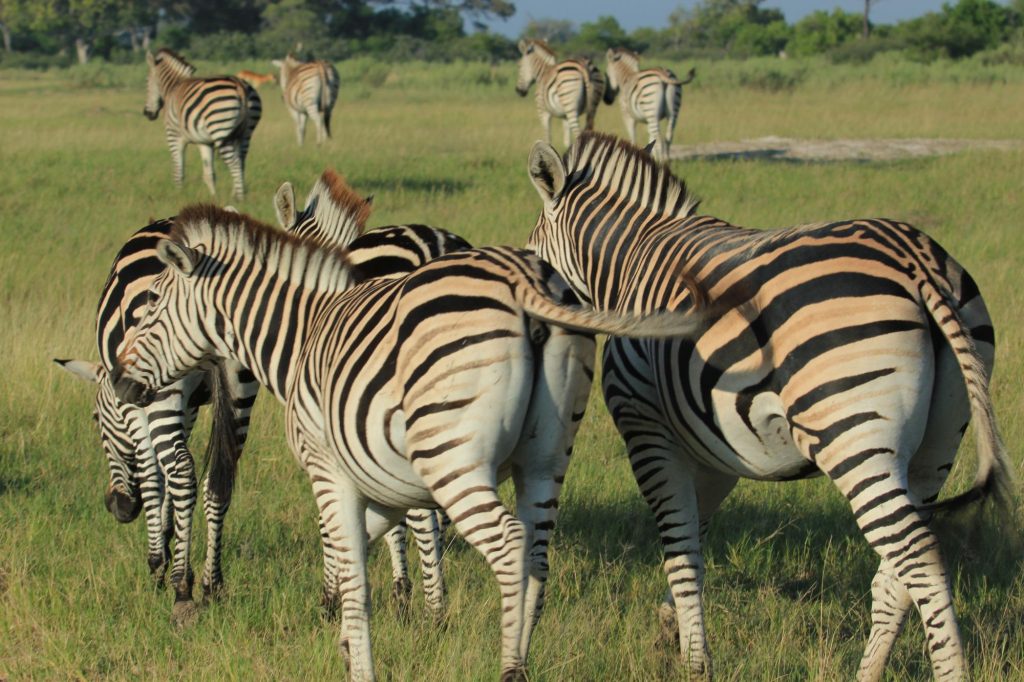
Horseback safaris in the Okavango Delta are for confident intermediate riders and above, not for beginners, because you may need to gallop out of trouble and you will spend four to eight hours a day in the saddle. A weight limit of around 95kg in full riding gear applies almost universally. What you get in return is cantering through floodwater alongside giraffe and zebra, and reaching country that vehicles cannot.
The Riding Requirement
This is not negotiable and operators are direct about it, so it belongs at the top.
The standard requirement is confident intermediate to experienced. In practice that means mastery of the basic aids, the ability to rise to the trot for stretches of ten minutes, comfort at all paces, control of a horse at the canter across open country, and the ability to gallop out of trouble.
You must also be confident of keeping up with the group at all times, since a rider who cannot hold the pace becomes a safety problem for everyone.
Days are long. Four to seven hours in the saddle is typical, with some operators quoting up to eight, and riding fitness matters as much as technique.
Riding in the Okavango means riding in genuine wilderness with potentially dangerous animals, which is precisely why novices are not accepted.
Non-riders are usually welcome in camp and can take game drives, mokoro trips and boat excursions instead.
On trip length, three to ten nights is the usual range with seven commonly recommended, and there is a practical reason for that. The first day or two are spent settling onto a horse and learning the ground, and the riding gets considerably better once horse and rider have found each other. A three-night stay is enjoyable; a week is when the trip becomes what people describe afterwards.
Operators ask that you be able to gallop out of trouble. That single phrase tells you what kind of holiday this is, and why a rider who has not sat on a horse for a decade should choose a different activity.
Weight and Age Limits
Two further constraints that need checking before booking anything.
The weight limit is commonly 95kg in full riding gear, with some operators setting 90kg. Riders between 95 and 100kg may be accepted at the operator’s discretion and usually only if advanced, and may be required to pay for a second horse to alternate.
Guests may be asked to step on scales at camp, which operators state openly, and over-limit riders are sometimes charged a substantial supplement for an additional horse.
Those exceeding the limit can usually be accommodated as non-riders.
Minimum ages run from twelve at some operators to sixteen at others for riding, with younger children accepted as non-riders.
Riders over sixty are accepted provided they are riding fit and strong, and severe heart or respiratory conditions are a barrier.
What the Riding Is Like
The appeal is a combination that exists almost nowhere else.
The pace varies considerably across a day, from fast gallops sometimes alongside giraffe or zebra, through canters in the shallows and on land, to slow careful approaches to elephant and quiet stops at sunset.
Splashy canters through floodwater are the signature. When the Delta floods, much of it is inaccessible to vehicles, leaving open floodplain that a horse can cross and a Land Cruiser cannot.
Animals react differently to horses than to vehicles, frequently allowing closer approaches to plains game, and riding among zebra or giraffe rather than watching them is the thing people remember.
Days usually start before dawn with a quiet wake-up to be in the saddle before sunrise, breaking for a long midday rest and riding again in the afternoon.
Big cats and elephant are treated with caution, ridden toward slowly or left alone entirely, on the guide’s judgement.
The Horses and the Camps
The operations are small and the horses matter as much as the country.
The best-known operation sits on the western side of the Okavango, on a palm island overlooking floodplain, roughly a 25 to 30 minute charter flight from Maun.
Stables commonly hold around 50 horses, ranging from about 14 to 17 hands, with breeds including thoroughbreds, Namibian Hanoverians, Arabs and Arab crosses, South African Boerperd crosses and heavier Percheron crosses for weight carrying.
Riders are matched to a horse on arrival and typically rotate between two or three across a stay.
Saddles are usually English general purpose, with trail saddles available at some operations and a limited number of McClellans on request.
Group sizes are small. Camps commonly hold up to twelve or sixteen guests, with rides limited to eight riders, split into two groups by ability when numbers require. That splitting matters, since it means a strong rider is not held to a nervous one’s pace and a less confident rider is not dragged along behind a group that wants to gallop.
Lodge-based riding. Three to ten nights from a permanent camp, seven commonly recommended, with rides twice daily and game drives, mokoro and boat trips available for rest days and non-riders.
Mobile horseback safari. Riding point to point between camps across the Delta, with no fixed itinerary since the route depends on water levels and wildlife movements. The more adventurous option.
Non-riders in camp. Usually welcome, with game drives, mokoro excursions, boat trips and walking available, which makes a riding trip workable for a couple where only one rides.
Season and Water Levels
Timing changes the riding considerably.
The Okavango flood arrives from Angolan rain roughly four months earlier, typically filling the Delta from around May and peaking in the middle of the year.
High water is what produces the splashy canters and deep wades the operators advertise, and it also restricts where horses can go.
Low water opens up more ground for fast riding across open floodplain but removes the water crossings.
Mobile riding safaris frequently have no set itinerary at all, since the route depends on water levels and wildlife movements in that particular week.
Riding operations tend to run year round, and asking what the water is doing in your month is worth more than any general seasonal advice.
Heat is the other seasonal factor and it bears on riding more than on driving. October regularly pushes past 37°C in this part of Botswana, and several hours in the saddle in that is punishing for horse and rider alike. Operators shorten rides accordingly, and travellers with a choice tend to prefer the cooler months from May through August, when mornings are cold and the middle of the day is manageable.
Practicalities
A few things worth arranging in advance.
Bring your own hat, boots and half chaps if you have them, since fit matters over long days. Operators supply helmets but personal kit is better.
Long trousers, sun protection, a hat that stays on at speed and a lightweight long-sleeved shirt.
Charter luggage limits of roughly 20kg apply as they do to any fly-in camp, and riding gear counts toward it.
Travel insurance covering riding is worth checking closely, since some policies exclude it or require a declaration.
Tell the operator honestly about your riding experience. Overstating it is the commonest cause of a difficult week, and guides can tell within ten minutes of the first ride. Most operations run a short assessment ride on the first afternoon for exactly that reason, matching horse to rider before committing anybody to a long day out.
Be honest about your riding, not optimistic. Operators match horses to declared ability, and a rider who has overstated it gets a horse they cannot hold in country where the guide may need everyone to move quickly. Nobody benefits from the exaggeration.
Frequently Asked Questions About Horseback Safaris in Botswana
Do you need to be an experienced rider?
Yes. The standard requirement is confident intermediate to experienced, meaning mastery of the basic aids, ability to rise to the trot for ten minute stretches, comfort at all paces, control at the canter across open country, and the ability to gallop out of trouble. You must be confident of keeping up with the group at all times. Riding in the Okavango means genuine wilderness with potentially dangerous animals, which is why novices are not accepted.
What is the weight limit for a horseback safari?
Commonly 95kg in full riding gear, with some operators setting 90kg. Riders between 95 and 100kg may be accepted at the operator’s discretion, usually only if advanced, and may be required to pay for a second horse to alternate on. Guests may be asked to step on scales at camp, which operators state openly. Those over the limit can usually be accommodated as non-riders instead.
How long are the rides each day?
Four to seven hours is typical, with some operators quoting up to eight, split between an early morning ride starting before sunrise and an afternoon ride after a long midday rest. Riding fitness matters as much as technique, and the pace varies considerably across a day from fast gallops through canters in the shallows to slow careful approaches to elephant and quiet stops at sunset.
What is the minimum age for riding safaris in Botswana?
It ranges from twelve at some operators to sixteen at others for riding, with younger children usually accepted in camp as non-riders. Riders over sixty are accepted provided they are riding fit and strong, and severe heart or respiratory conditions are a barrier. Check each operator’s specific policy, since the difference between twelve and sixteen decides whether a family trip is possible at all.
Can non-riders join a horseback safari?
Usually yes, and it makes these trips workable for couples where only one rides. Camps offer the full range of conventional safari activities alongside the riding, including game drives, mokoro excursions, boat trips and walking, so a non-rider has a proper safari rather than a wait. Those exceeding the rider weight limit can also usually be accommodated on the same basis.
What are the horses like?
Stables commonly hold around 50 horses ranging from about 14 to 17 hands, with breeds including thoroughbreds, Namibian Hanoverians, Arabs and Arab crosses, South African Boerperd crosses and heavier Percheron crosses for weight carrying. Riders are matched on arrival and typically rotate between two or three horses across a stay. Saddles are usually English general purpose, with trail saddles available at some operations.
Booking Your Botswana Trip
The safari companies and tour operators listed on this website put trips like this together for a living and know which camps, guides and routes actually deliver. We are an independent guide to Botswana; we do not book or sell tours ourselves.
When you are ready, arrange your safari, tour or holiday with one of the recognised operators listed here. Tell them your dates and what matters most, and a real person, not a form, will handle the itinerary, park bookings and logistics for you.