Botswana Health and Vaccination Guide
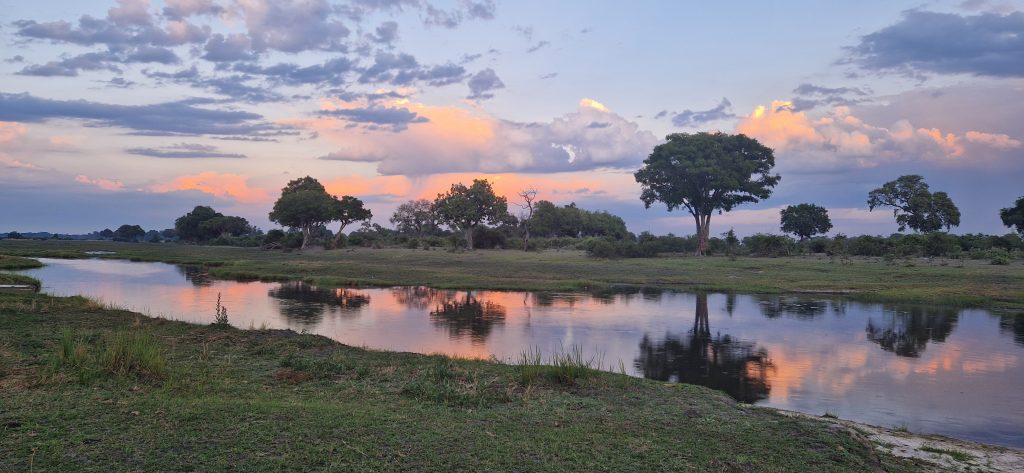
No vaccination is compulsory for a Botswana safari unless you are arriving from a yellow fever country, though travel clinics routinely recommend hepatitis A, typhoid and up to date tetanus, diphtheria, polio and measles cover. Malaria precautions matter in the northern parks. Botswana is a southern African country with a functioning healthcare system concentrated in Gaborone, Francistown, Maun and Kasane, and very limited medical facilities in the wildlife areas where most visitors spend their time.
Vaccinations Required for Entry on a Botswana Safari
Only one, and it applies conditionally. A yellow fever vaccination certificate is required for travellers aged one year and over arriving from, or who have transited an airport in, a country where yellow fever transmission occurs. Yellow fever does not occur in Botswana itself.
The transit clause is the part that catches people. Changing planes in a yellow fever country without leaving the airport still triggers the requirement at some ports of entry, so anyone routing through parts of West or Central Africa, or through certain South American hubs, should carry the certificate.
Travellers coming directly from Europe, North America, Australia or elsewhere in southern Africa need nothing. No other vaccination is checked at immigration.
Routine Vaccinations to Update Before a Botswana Trip
Start with what you already have rather than what is exotic. Tetanus, diphtheria and polio cover should be current, and a booster is advised where the last dose was more than ten years ago, since medical facilities in the wildlife areas are limited and a deep cut from a thorn is a realistic way to test that.
Measles, mumps and rubella cover matters for anyone unvaccinated or born after the mid-twentieth century, with a single adult booster commonly recommended. Polio warrants attention because cases have been identified in the region within recent years.
Whooping cough is worth raising if you have young children travelling, since the adult pertussis booster is a single dose and offers protection to infants who cannot yet be fully vaccinated themselves.
Recommended Vaccinations for Safari Travellers to Botswana
Two sit near the top of most clinic lists. Hepatitis A spreads through contaminated food and water and is recommended for the large majority of travellers to Botswana. Typhoid spreads the same way, and vaccination is advised for most visitors, particularly anyone staying longer, travelling rurally, visiting friends or relatives, or travelling with young children. Typhoid protection lasts around two to three years after a single dose in most people.
Hepatitis B is transmitted through blood and body fluids rather than food, so relevance depends on your own circumstances. It is worth discussing if you are staying long term, expect any medical or dental treatment, or want cover against the possibility of needing treatment after an accident. The vaccine can be combined with hepatitis A in a single course.
Cholera risk is low for ordinary safari visitors. The oral vaccine is reserved for people whose activities or medical history put them at higher risk.
Book the travel clinic appointment six to eight weeks before you fly. Some courses take a month to complete, and while accelerated schedules exist for hepatitis B and others, they need planning rather than panic.
Rabies Risk and Vaccination for Botswana Tours
Rabies is present in Botswana and the vaccine deserves more thought than it usually gets on a safari booking.
Transmission comes through the bite, scratch or even the lick of an infected warm-blooded animal. The risk to a visitor sitting in a game vehicle is negligible. It rises for anyone spending time in remote areas far from medical care, working with animals, cycling, running, or travelling with children, who are common victims of dog bites and who do not always report a bite immediately.
Pre-exposure vaccination does not remove the need for treatment after an exposure. What it does is buy time and cut down the treatment required, which matters enormously when the nearest clinic is a charter flight away.
Seek medical advice urgently after any animal bite or scratch, vaccinated or not. Wash the wound thoroughly with soap and running water first.
Food and Water Safety on a Botswana Safari
Tap water in Gaborone, Maun, Kasane and other towns is treated and broadly considered safe to drink. Safari camps supply filtered or bottled drinking water as standard, and most now provide refillable bottles rather than single-use plastic.
Village and borehole supplies in remote areas are less predictable. Where you are uncertain, use bottled or treated water, including for brushing teeth.
Traveller’s diarrhoea is the most common complaint on any African trip and the standard precautions handle most of it: eat food that is properly cooked and served hot, be cautious with salads washed in untreated water, peel fruit yourself. Camp kitchens in Botswana operate to high standards and food-borne illness at a reputable camp is uncommon.
Sun, Heat and Dehydration on Game Drives
This causes more visitor problems than any tropical disease, and it gets almost no attention in packing lists.
October afternoons in Maun average maxima near 37°C and exceed 40°C in some years, and open game vehicles offer little shade. Humidity through the dry season sits between 20 and 40 percent, which means you lose fluid without noticing it as sweat. Drink far more than thirst suggests, and treat headache and fatigue on an afternoon drive as dehydration until proven otherwise.
Sun protection is a year-round requirement rather than a summer one. Winter light at this altitude is fierce and people burn badly on cold June mornings because it does not feel hot. Bring high-factor sun cream, a wide-brimmed hat and sunglasses.
The reverse applies at dawn. June and July morning temperatures average around 6°C to 7°C with frost inland, and hypothermia on an open vehicle is a genuine if minor risk for anyone who packed only for heat.
Medical Facilities Near Botswana Safari Areas
Gaborone has the best hospitals in the country, including private facilities of a decent standard. Francistown is the second centre. Maun and Kasane both have hospitals capable of stabilising a patient and handling routine problems, though complex surgery means a transfer.
Inside the wildlife areas there is nothing. Camps carry first aid kits, staff are trained to a basic level, and communication runs by satellite or radio to charter operators who can fly a patient out to a bush strip within hours in daylight. Night evacuation is far harder because most airstrips are unlit.
That structure works well, and it depends entirely on you carrying insurance with evacuation cover, since air ambulance operators commonly wait for a payment guarantee before launching.
Required. Yellow fever certificate only if arriving from or transiting a yellow fever country, from age one.
Recommended for most. Hepatitis A, typhoid, and current tetanus, diphtheria, polio and measles cover. Malaria prophylaxis for the northern parks.
Consider by circumstance. Rabies for remote or long stays and for families with children, hepatitis B, cholera for higher-risk travellers, and a tetanus booster if the last was over ten years ago.
Malaria Precautions in the Northern Safari Parks
Malaria risk is confined largely to northern Botswana, meaning the Okavango Delta, Chobe and the Ngamiland districts, and it peaks during and after the rains. The southern half of the country, including Gaborone, the Kalahari and the Tuli Block, is low to no risk.
Prophylaxis is a prescription decision made with a doctor rather than something to self-select. Bite prevention matters just as much: cover arms and legs at dusk and after dark, use a repellent containing DEET, and sleep under the treated net your camp provides.
Fever during or after a Botswana trip should always be reported to a doctor along with where you have travelled, since symptoms can appear weeks or even months after you return.
Other Health Risks Worth Knowing on Safari
Tsetse fly still exists in parts of northern Botswana, and a bite is painful. Sleeping sickness has been controlled to the point that transmission is close to unheard of, with the last reported cases many years ago, so the practical concern is the bite rather than the disease. Tsetse are drawn to dark blue and black, which is one real reason for the neutral safari clothing convention.
Bilharzia is present in some slow-moving fresh water. Camps will tell you where swimming is acceptable, and the answer in most of the Delta is nowhere, for reasons involving crocodiles and hippos long before parasites.
Scorpions and snakes exist and are almost never a problem for visitors who wear closed shoes, use a torch at night and do not put hands into places they cannot see. Camp staff escort guests between tents after dark, and that rule is about large mammals rather than small ones.
Frequently Asked Questions About Health and Vaccinations for Botswana
What vaccinations do I need for Botswana?
None are compulsory unless you are arriving from or transiting a yellow fever country, in which case a certificate is required from age one. Travel clinics typically recommend hepatitis A and typhoid for most visitors, alongside current tetanus, diphtheria, polio and measles cover. Rabies, hepatitis B and cholera are considered case by case depending on how long you are staying, how remote you are going and whether children are travelling. Speak to a travel clinic six to eight weeks before departure.
Do I need a yellow fever certificate for Botswana?
Only if your route brings you from a country where yellow fever transmission occurs, or if you transit an airport in one, even without passing immigration. Yellow fever is not present in Botswana. Travellers flying directly from Europe, North America, Australia or elsewhere in southern Africa do not need the certificate. The requirement applies from one year of age, and carrying the card is sensible if your routing is at all complicated.
Is the tap water safe to drink in Botswana?
In Gaborone, Maun, Kasane and other towns the treated municipal supply is broadly considered safe. Safari camps provide filtered or bottled drinking water as standard, usually with refillable bottles. Village and borehole supplies in remote areas are less reliable, so use bottled or treated water there, including for brushing teeth. Traveller’s diarrhoea remains the most common ailment on any African trip, and normal food precautions handle most of it.
How good are hospitals in Botswana?
Gaborone has the best facilities including private hospitals of reasonable standard, with Francistown second. Maun and Kasane have hospitals that can stabilise patients and manage routine problems, though anything complex means transfer to Gaborone or Johannesburg. The safari areas themselves have no medical facilities at all, relying on satellite communication and charter aircraft to fly patients to a bush strip. This is why evacuation insurance is treated as compulsory by most operators.
Should I get a rabies vaccination for a Botswana safari?
It depends on your itinerary rather than the destination. Risk is negligible for someone on a standard lodge-based safari in a vehicle. It rises for long stays, remote areas far from medical care, cycling or running, contact with animals, and for families with young children who may not report a bite. Pre-exposure vaccination does not remove the need for post-exposure treatment, though it reduces what is needed and buys time, which matters when a clinic is a flight away.
What should I pack in a first aid kit for Botswana?
Any personal prescription medication in original packaging with enough for the whole trip plus a few days, since pharmacies near safari areas are limited. Add rehydration salts, an antidiarrhoeal, painkillers, antihistamine, antiseptic, plasters and blister care, tweezers for thorns, high-factor sun cream, lip balm and a DEET-based insect repellent. Camps carry first aid kits, though not your specific medication. Carry a copy of any prescription in case of questions at customs.
Booking Your Botswana Trip
The safari companies and tour operators listed on this website put trips like this together for a living and know which camps, guides and routes actually deliver. We are an independent guide to Botswana; we do not book or sell tours ourselves.
When you are ready, arrange your safari, tour or holiday with one of the recognised operators listed here. Tell them your dates and what matters most, and a real person, not a form, will handle the itinerary, park bookings and logistics for you.