Dry Season Safari Guide
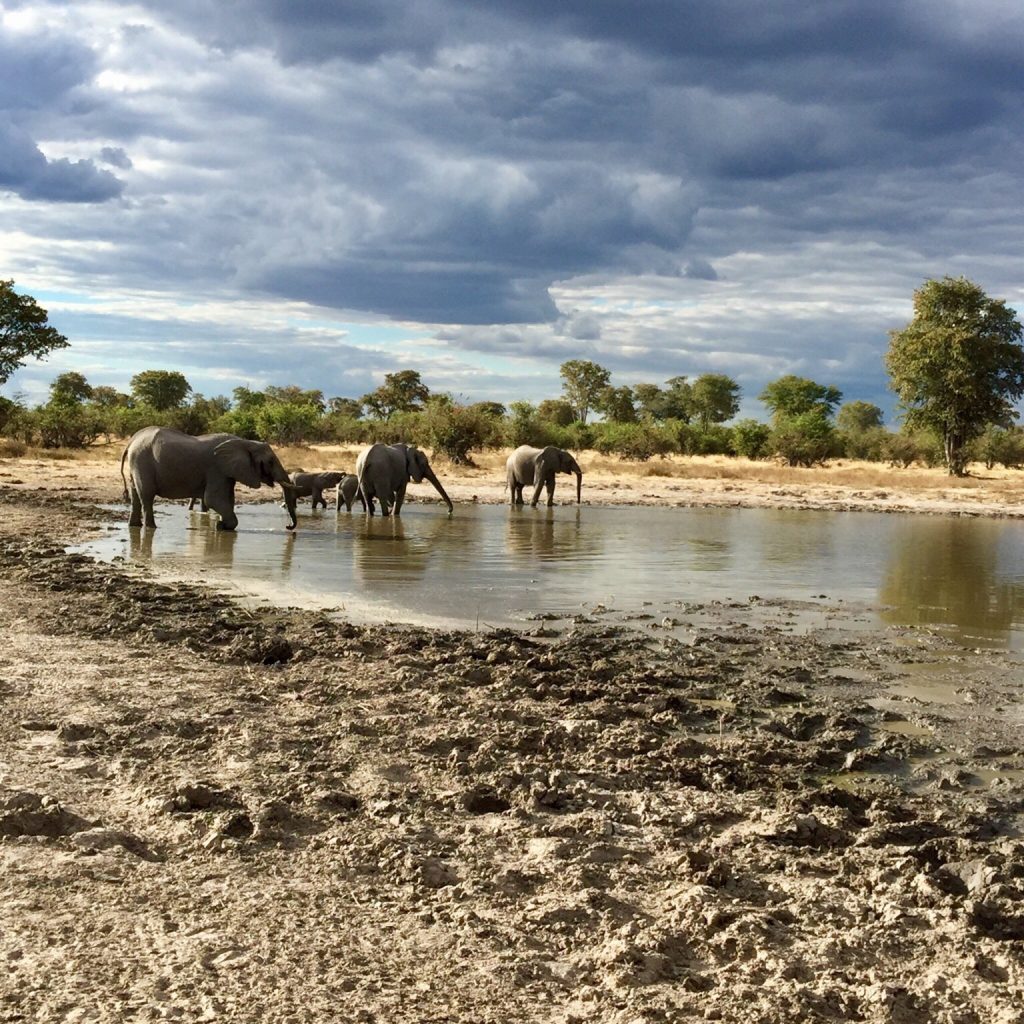
The dry season safari in Botswana runs from May to October, six months in which almost no rain falls, waterholes empty and wildlife is forced onto the rivers and Delta channels that still hold water. Most visitors book July through September, and the better camps sell out around a year ahead. Botswana is a southern African safari country whose northern parks, meaning the Okavango Delta, Moremi, Chobe and Linyanti, all peak during these months.
Why Dry Season Safaris Deliver the Best Game Viewing
The mechanism is simple and it is worth grasping before you compare months. Rain stops in April. Over the following weeks the seasonal pans across the Kalahari and the wider bush evaporate one by one, until the only water left is what is permanent: the Chobe River, the Linyanti system, the Boteti, and the Okavango channels.
Every animal has to drink. So the game that spent the summer scattered across hundreds of kilometres of green bush pulls in tight around a handful of places, and those places are where the camps are. Meanwhile the grass that hid everything gets eaten and trampled down, and the trees drop their leaves.
You are no longer searching. You are watching. That is the whole argument for a dry season safari, and it holds up.
May Safaris: The Season Turns
May is the month experienced visitors keep quiet about. Mornings sit around 10°C, afternoons near 28°C, humidity has fallen away and the rain has finished. Some green still holds in the bush from the summer, so the country looks better than it will in three months.
Waterholes are drying and animals are beginning to concentrate without yet being crowded. The Okavango flood reaches full flow towards the end of the month. Elephant herds return to the Linyanti and Chobe systems. Buffalo and zebra gather in Savuti.
Rates have not climbed to peak, camps have availability, and vehicles are not shared as widely. If your dates are flexible and your budget is not, May is the strongest value month of the dry season.
June and July Safaris: Peak Flood and Cold Mornings
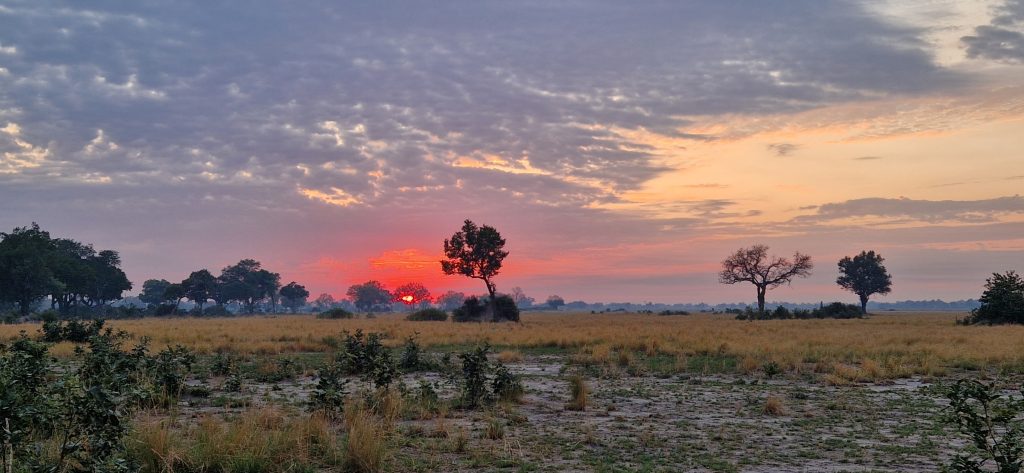
These are the coldest months and the ones that catch people out. Average morning temperatures fall to roughly 6°C or 7°C, and Kalahari nights drop to freezing with frost on the ground at dawn. By eleven the same morning you are in a shirt.
Everything else about June and July is close to ideal. Skies stay clear. Humidity holds between 20 and 40 percent. Mosquito numbers are at their yearly low, which also means malaria risk is at its lowest.
The Okavango flood peaks around July, roughly four months after the rain that caused it fell over the Angolan highlands. Mokoro and boat safaris are at their best, channels reach furthest, and camps that run water activities only seasonally are all operating. Late June marks the start of peak season proper, and July is one of the two busiest months in the Delta.
If a mokoro trip is why you are going to the Okavango, June through September is the window that guarantees it. Outside those months, ask the camp directly whether channels still hold enough water, because many properties switch to game drives without advertising the change.
August Safaris: The Driest Month of the Year
August is the driest month by measurement. Maun averages 0.2mm of rain across zero rain days and delivers around 11.1 hours of sunshine daily, the highest of the year. Kasane records the same negligible rainfall.
Frost becomes unusual as the country begins warming, though mornings stay cool enough to want a jacket. The flood is still high across the Delta. Vegetation has thinned to the point where a leopard is visible from a distance rather than from a few metres.
Elephant gather along the Chobe riverfront in numbers that are difficult to convey without sounding like a sales pitch, so here is the plain version: several hundred animals along one stretch of bank in a single afternoon is a normal August day rather than a lucky one. From late in the month the west wind starts carrying Kalahari dust across the country, which is what puts the colour into the sunsets.
September Safaris: Peak Predator Viewing
Heat builds through September and humidity bottoms out near 30 percent in Maun and lower in Kasane. Skies stay clear, the wind keeps blowing dust, and the bush is bare.
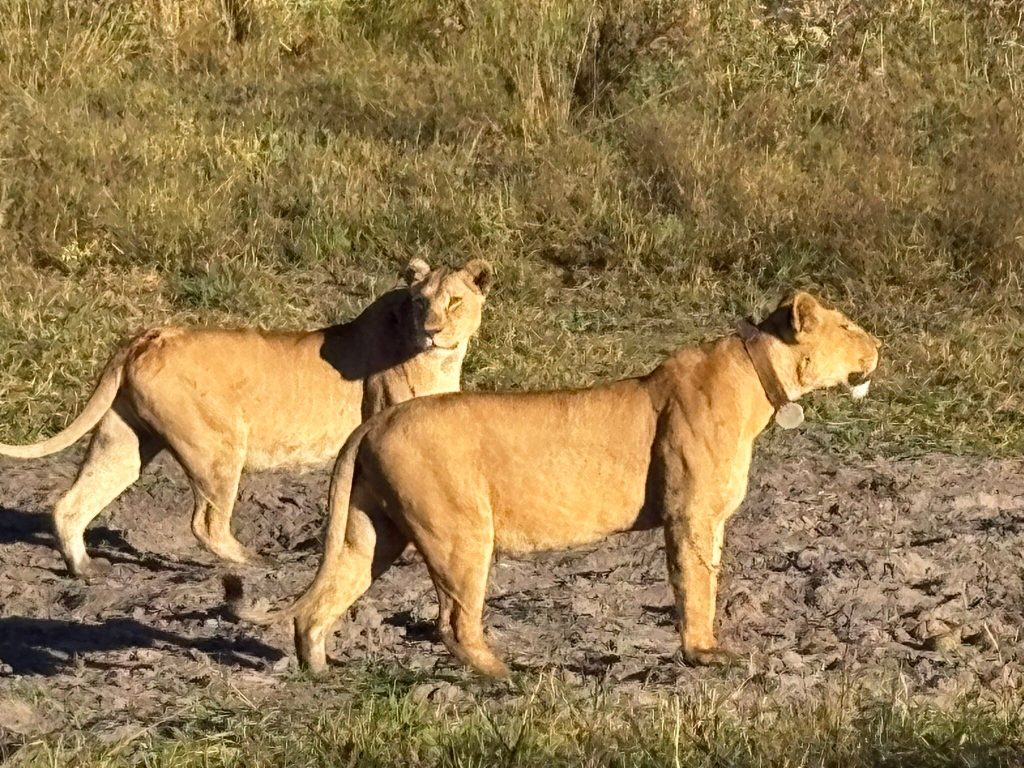
This is one of the two strongest months of the year for predators. Seasonal water has gone everywhere else, so herbivores are pinned to permanent sources and the cats and wild dogs follow them. Moremi in September is about as good as big cat viewing gets in southern Africa. Wild dog denning season is finishing, so packs are mobile again and covering ground.
Carmine bee-eaters nest in the river banks around now, which is a genuine event for anyone carrying a camera. Sightings of anything are never promised, though September stacks the odds as far in your favour as the calendar allows.
October Safaris: Heat, Dust and Dramatic Sightings
October is the hottest month in Botswana and it is not close. Maun averages a daily maximum near 37°C, readings above 40°C occur most years, and night minimums hold around 21°C so the overnight relief of June has gone entirely.
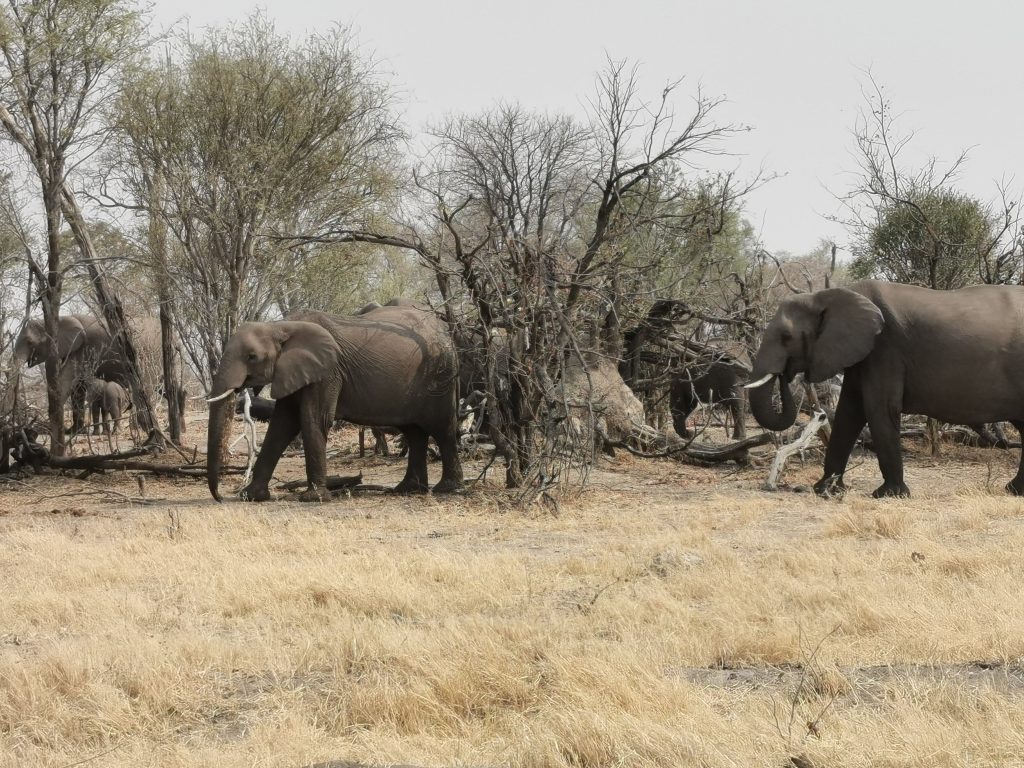
The ground is parched. Dust hangs in the air. Okavango water levels have dropped, exposing green floodplain that pulls grazers out into the open. Whatever water remains becomes a stage, and predator and prey interactions around it are more concentrated and more frequent than at any other point in the year.
People who tolerate heat well rate October the best month of the twelve. People who do not find it genuinely difficult. Both positions are defensible, and the honest advice is to know which one you are before booking.
May and June. Cool and comfortable, rising flood, animals starting to concentrate, some green left in the bush. Lower rates in May, better availability, fewer vehicles at sightings.
July and August. Peak flood and peak water safaris. Cold mornings, superb visibility, lowest mosquito numbers. Highest rates and the earliest booking window of the year.
September and October. Strongest predator viewing, most concentrated game, dust and dramatic light. Hot to very hot, with October testing most people’s tolerance.
Dry Season Safaris in the Okavango Delta and Moremi

The Delta runs on a rhythm that catches almost everyone out on a first visit. It floods during the dry season, not the wet one, because the water arrives from Angolan rain that fell four months earlier and travelled south down the Okavango River.
What that means in practice is that mokoro trips, motorboat safaris and the wading walks between islands all peak between June and September. Camps in the permanent inner Delta run water activities across the whole dry season. Camps on drier eastern ground may only offer them for part of it.
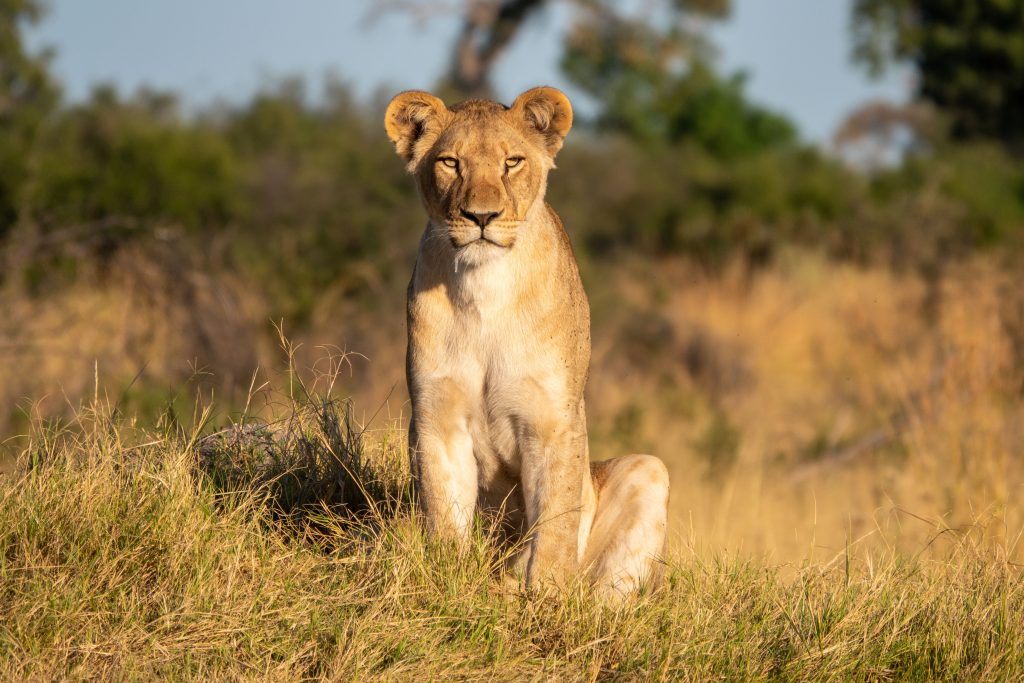
Moremi holds the eastern third of the Delta and delivers the predator viewing, with strong lion prides and one of the more secure African wild dog populations left anywhere. September and October are the sharpest months there.
Dry Season Safaris in Chobe, Linyanti and Savuti
Chobe National Park carries the highest elephant density in Africa, drawn from a national population estimated near 130,000, and the riverfront is where they come to drink through the dry months. Boat safaris here run all year and peak from July to October.
Linyanti and Savuti sit on private concessions north of the Delta, and dry season is when they justify their reputation. Linyanti draws enormous elephant concentrations along its waterways. Savuti has a long history of lion prides that hunt elephant, which is behaviour recorded in very few places.
Concessions matter here for a practical reason. National parks including Chobe and Moremi prohibit off-road driving and close their gates at set hours, ruling out night drives. Private concessions permit both, alongside guided walking safaris, which is the real argument for their higher rates.
The dry season is the only sensible window for walking safaris. The ground is firm, grass is low enough to see through, snakes are less active in the cold, and early morning temperatures make walking pleasant rather than punishing.
What the Dry Season Means for the Kalahari
Here is the exception to everything above, and it catches out people who book on general advice rather than regional advice.
The Central Kalahari Game Reserve and the Makgadikgadi pans run on an inverted calendar. Their best months are December through April, when rain greens the fossil valleys and pulls back game that has been scattered for months. Dry season in the desert means thin game and long distances between sightings.
Some pans activities do need the dry months, mind. Quad biking across the salt crust requires the surface firm and dry, so it runs roughly May to October. Meerkat viewing, San tracking walks, sleep-outs and stargazing hold up year round. If you are pairing north and south in one trip, the compromise usually lands in April, May or November.
Packing and Booking for a Dry Season Safari
Pack for two climates in one day. Morning drives from June through August start near 6°C on an open vehicle with wind chill on top, and by mid-morning you are down to a shirt. A fleece, a windproof outer layer, gloves and a warm hat are needed, and camps supply blankets and hot water bottles on the vehicle. Neutral lightweight cotton handles the daytime. Add a wide-brimmed hat, strong sun cream and sunglasses, since winter light here is fierce.
On booking, the constraint is policy rather than popularity. Bed numbers across Botswana are capped deliberately, so the good Delta and Linyanti camps take reservations twelve to eighteen months out for July, August and September. Shoulder months of May and November give you far better availability at roughly 10 to 20 percent below peak.
Frequently Asked Questions About Dry Season Safaris in Botswana
How much more expensive is dry season in Botswana?
Peak dry season rates run around 40 percent above green season equivalents at the top end. Mobile camping safaris sit roughly at 350 to 550 US dollars per person per day, mid-range lodges between 600 and 1,100, and private concession camps from 1,500 upwards, with the highest properties well beyond 4,000. Shoulder months of May and November typically fall 10 to 20 percent under peak. Park entry for non-residents is 120 Pula per person per day, or 70 Pula through a licensed Botswana operator, plus a 30 US dollar Tourism Development Levy on arrival.
Which is the best month of the dry season?
It depends on what you want. July and August for water safaris in the Delta, since the flood peaks then. September and October for predators, because game is most concentrated. May for value and comfort, with rising flood, mild temperatures and rates below peak. June for the combination of cold clear mornings, low mosquito numbers and building flood. There is no bad month between May and October, which is exactly why the whole stretch carries peak pricing.
Is the dry season too cold for a safari?
No, though it is colder than most people expect from Africa. Morning averages in June and July run around 6°C to 7°C with Kalahari nights dropping below freezing and frost on the ground. Afternoons the same day reach 25°C or 26°C. The discomfort is confined to the first two hours of a morning drive, and it is fully solved by a fleece, a windproof layer and gloves. Camps hand out blankets and hot water bottles as standard.
How far in advance should I book a dry season safari?
Twelve to eighteen months for July, August and September, particularly for well-regarded camps in the Okavango Delta and Linyanti. This is not marketing pressure: Botswana caps bed numbers by conservation policy, so supply genuinely runs out. Six to nine months usually works for May, June and November. If a specific camp matters to you, book it first and build the routing around whatever dates it can offer.
Do I still need malaria tablets in the dry season?
Talk to a travel clinic, because the answer depends on where you are going and on your own risk profile. Risk is at its yearly lowest during the dry months and mosquito numbers in June through August are minimal. Northern districts including the Okavango Delta, Chobe and Ngamiland still carry year-round transmission risk, and most clinics recommend prophylaxis for those areas regardless of season. Southern Botswana is low to zero risk. Book that conversation six to eight weeks before you fly.
Can I do a self-drive safari in the dry season?
Dry season is the right window for it, since tracks are firm and river crossings are at their most predictable. Moremi, Chobe and the Central Kalahari still demand a properly equipped 4×4, campsites booked well ahead, and real deep sand driving experience. Fuel is not sold inside the parks, off-road driving is prohibited, the speed limit is 40 kph and gates close at set times. June and August are the busiest months at public campsites because South African campers travel then, so book early.
Booking Your Botswana Trip
The safari companies and tour operators listed on this website put trips like this together for a living and know which camps, guides and routes actually deliver. We are an independent guide to Botswana; we do not book or sell tours ourselves.
When you are ready, arrange your safari, tour or holiday with one of the recognised operators listed here. Tell them your dates and what matters most, and a real person, not a form, will handle the itinerary, park bookings and logistics for you.