Botswana Weather by Month

Botswana weather runs on two seasons rather than four: a hot wet summer from November to April and a dry, cool winter from May to October, with virtually no rain falling for six straight months. Safari planning follows that split, since water levels and vegetation drive where wildlife sits. Botswana is a landlocked southern African country with a semi-arid steppe climate, averaging roughly 450mm of rain a year and far less in the southwestern Kalahari.
Botswana Weather in January for Green Season Safaris
The wettest month of the year across the country. Maun records around 152mm over about 13 rainy days, Kasane closer to 195mm, and Gaborone a much drier 87mm. Daytime highs sit near 32°C or 33°C with humidity between 50 and 80 percent, which is the part people underestimate.
Rain arrives as afternoon thunderstorms, heavy and short, though January can also deliver a run of grey days. Mornings are warm at around 20°C. For a green season safari this is peak conditions in the Kalahari and on the pans, and the hardest month for game viewing in the northern parks.
Botswana Weather in February for Kalahari Safaris
February is the most humid month of the year. Maun and Kasane both touch around 74 percent relative humidity, and sunshine drops to its yearly low of roughly 6.9 hours a day in Maun as cloud builds.
Rainfall stays high, temperatures hold in the low thirties, and standing water is everywhere. Tracks in the Central Kalahari and Makgadikgadi can become difficult, and some routes close entirely after heavy storms. The upside is grazing: the pans are green, the zebra are still down south, and predators are working the herds.
Botswana Weather in March for Safari Travel
Rain begins tapering. Temperatures start easing back from the summer peak, and the humidity that made February uncomfortable begins to drop away. Nights turn noticeably cooler towards month end.
Mosquito numbers run high in March, which matters more here than the rainfall does. Meanwhile, far to the north, the Angolan floodwater that fell in December is already moving south towards the Okavango Panhandle, invisible from the ground but well on its way.
Botswana Weather in April for Shoulder Season Safaris
One of the most pleasant months to be in the country. Clear skies return, cloud thins out, and days settle around 30°C with genuinely cool nights. Rain is largely finished.
The flood crosses into the Panhandle around now, and the first Delta channels start filling. Mokoro routes in the upper Delta extend week by week. Bush is still green and thick, so game viewing is not yet at its sharpest, though April rates sit well below peak and camps have space.
Botswana Weather in May for Dry Season Safaris

May is when the season turns properly. Mornings drop to around 10°C, afternoons hold near 28°C, humidity falls into the 20 to 40 percent range and stays there for months. Rain is done.
Plenty of guides name May their favourite month, and the reasoning is sound: some green still holds in the bush, waterholes are drying so animals are starting to concentrate, the flood reaches full flow by month end, and none of it costs peak money yet.
Botswana Weather in June for Winter Safaris
Cold arrives. Average morning temperatures fall to roughly 6°C or 7°C, and in the Kalahari and other dry inland areas nights drop to freezing with frost on the ground. Afternoons recover comfortably to about 25°C or 26°C.
Nothing else about June is difficult. Skies are clear, humidity is low, mosquitoes are scarce and the Okavango flood is building towards its peak. Early game drives in an open vehicle at 6°C with wind chill are the one thing to prepare for properly.
Camps supply blankets and hot water bottles for winter morning drives, and they are not being precious about it. Bring a fleece, a windproof outer layer, gloves and a beanie for June through August. You will shed all of it by ten in the morning.
Botswana Weather in July for Peak Safari Season
The coldest month and the driest. Maun sees almost no rain, night minimums fall to around 9°C in town and below freezing out in the desert, and daytime highs sit near 27°C. Gaborone records around 2.4mm for the whole month.
July is also when the Okavango flood peaks, roughly four months after the rain that caused it fell in Angola. Water safaris are at their best. This is the busiest month in the Delta alongside August, and the camps worth staying in were booked a year ago.
Botswana Weather in August for Delta and Chobe Safaris
The driest month by the numbers. Maun averages 0.2mm across zero rain days and delivers around 11.1 hours of sunshine daily, the highest of the year. Kasane matches that dryness.
Frost becomes unusual as the country starts warming again, though mornings stay cool. Vegetation has thinned right back, the flood is still high, and game viewing across Chobe, Moremi and Linyanti is about as good as it gets. From late August the west wind picks up and carries Kalahari dust across the country, which is what gives the sunsets their colour.
Botswana Weather in September for Predator Safaris
Heat builds steadily through the month and humidity bottoms out, dropping to around 30 percent in Maun and lower still in Kasane. Skies stay clear and the wind keeps blowing dust.
Waterholes across the wider country have gone. Animals are pinned to the rivers and permanent channels, which makes September one of the two strongest months of the year for finding lion, leopard and wild dog. Carmine bee-eaters nest in the river banks around now.
Botswana Weather in October for Hot Season Safaris
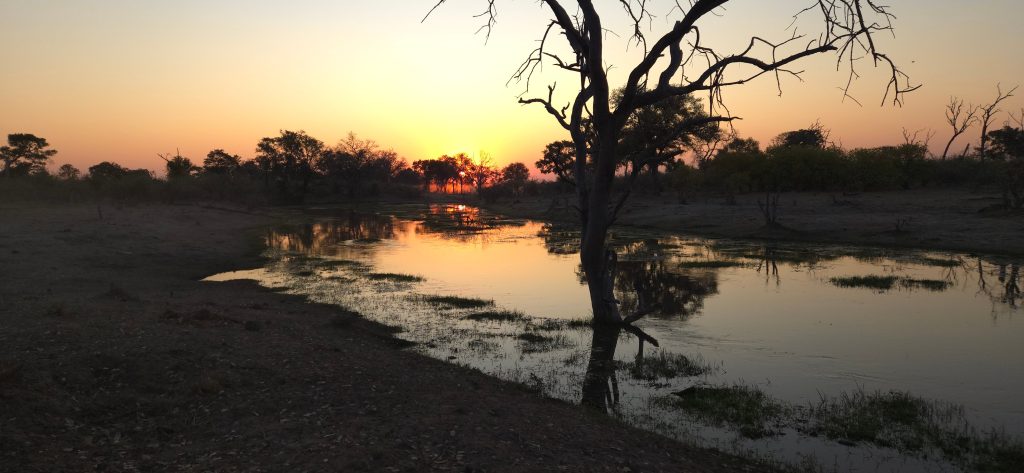
The hottest month, and it is not close. Maun averages a maximum near 37°C, and readings above 40°C happen. Night minimums stay around 21°C, so the relief that June and July offered has gone.
Ground is parched, dust hangs in the air, and the Okavango water level has dropped to expose green floodplain. Game viewing is dramatic because everything is crowded onto whatever water remains. People who can handle the heat rate October the best month of the year, and people who cannot find it genuinely punishing. Both are right.
Botswana Weather in November for Transitional Safaris
Cloud returns and the first storms break, usually late in the afternoon. Mornings sit near 20°C, afternoons push to 33°C, and Gaborone gets its sunniest month at around 10.4 hours a day.
The bush greens within days of the first proper rain. Migrant birds arrive. Zebra begin moving south towards Nxai Pan. November is a shoulder month on rates, typically 10 to 20 percent below peak, and the weather is a genuine gamble either way.
Botswana Weather in December for Green Season Safaris
The second wettest month. Rain comes as afternoon downpours, temperatures run around 20°C in the morning to 33°C by mid-afternoon, and humidity climbs into the 50 to 60 percent band.
Everything is green. Antelope are dropping calves, the zebra herds have reached the pans, and the Kalahari is at the start of its best stretch. Northern game viewing is at its weakest of the year, and camp rates reflect that.
Wet summer, November to April. Highs 30°C to 34°C, humidity 50 to 80 percent, afternoon thunderstorms, January and February wettest. Green country, calving antelope, migrant birds, muddy tracks.
Dry winter, May to October. Mornings 6°C to 10°C rising to 25°C to 30°C, humidity 20 to 40 percent, no rain to speak of. Frost inland in June and July, extreme heat by October.
How Rainfall Varies Across Botswana
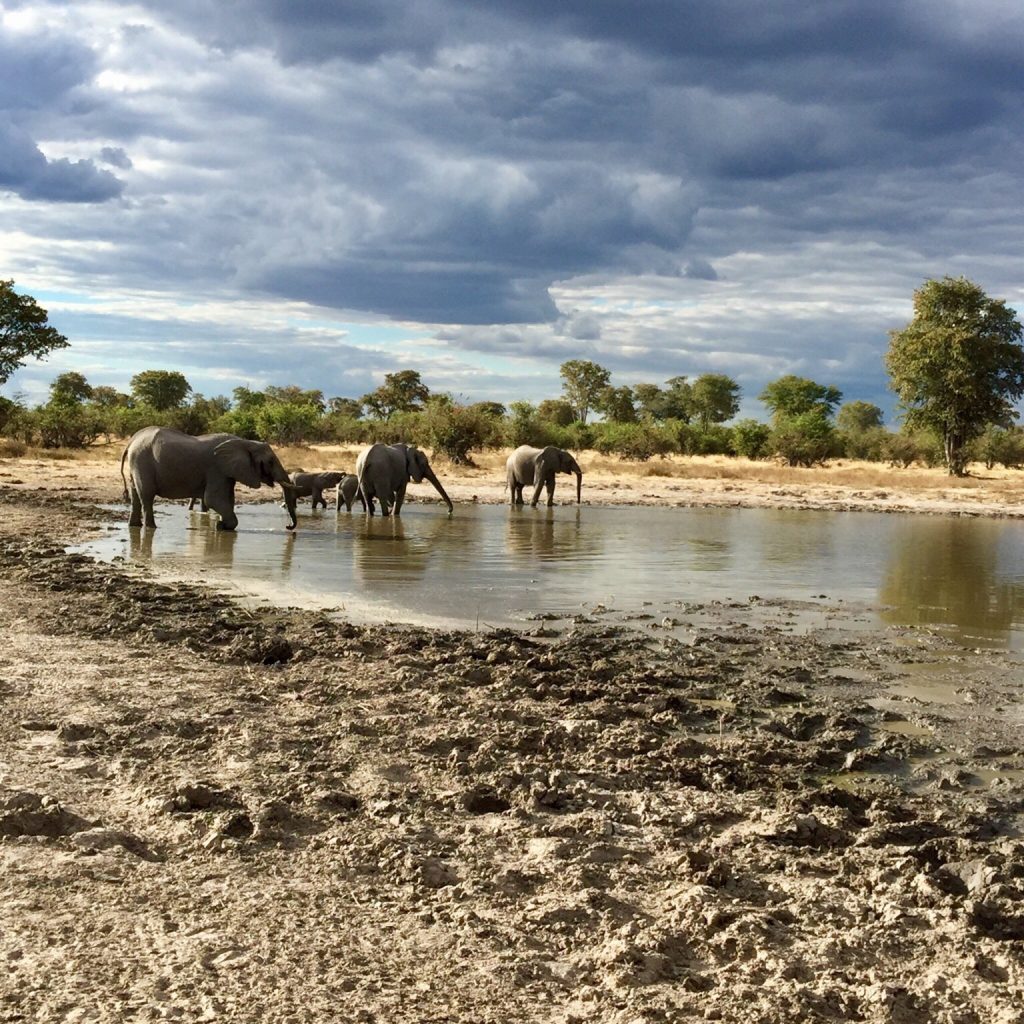
The national average of roughly 450mm hides a wide spread. Kasane in the far north records around 695mm to 726mm a year. Maun sits at about 555mm. Gaborone in the southeast averages between 477mm and 510mm. The southwestern Kalahari receives under 250mm and in some years close to nothing.
Rain also falls unevenly year to year, which is worth holding onto when reading any monthly average. Guides who have worked here for decades will describe thunderstorms in the middle of a Kalahari winter and drought running straight through a summer that should have been wet. Averages describe the pattern, not your particular week.
Packing for Botswana Weather on Safari
Two climates in one day is the rule from May to September. Morning drives need a fleece, a windproof layer, gloves and something for your ears, and by late morning you are down to a shirt. Neutral lightweight cotton or linen works for daytime, with long sleeves and long trousers for the evenings when mosquitoes are active.
Year round you need a wide-brimmed hat, high-factor sun cream and sunglasses, since the light here is fierce even in winter. Closed shoes matter for thorns and for what lives under them. In the green months add a light rain shell, and expect afternoon storms rather than all-day rain.
Frequently Asked Questions About Botswana Weather
What is the hottest month in Botswana?
October, comfortably. Maun averages a daily maximum near 37°C and readings above 40°C are recorded most years, with nights staying around 21°C so there is little overnight relief. September and November run close behind. Game viewing in October is exceptional because animals are packed around the last remaining water, which is why many photographers accept the heat. Activities get timed around the middle of the day, with drives going out earlier and returning later.
How cold does it get in Botswana at night?
Colder than most visitors plan for. June and July morning averages run around 6°C to 7°C, and inland areas including the Kalahari drop to freezing or below overnight, with frost common on the ground at dawn. Maun records night minimums near 9°C in July. Afternoons the same day recover to a comfortable 25°C or 26°C. The temperature swing across a single winter day is the single most misjudged part of packing for Botswana.
Which month has the most rain in Botswana?
January. Kasane averages around 195mm across roughly 13 rainy days, Maun about 152mm over 13 days, and Gaborone a much lighter 87mm over 11 days. December is second. Rain comes mainly as heavy afternoon thunderstorms rather than continuous drizzle, so a wet month still delivers plenty of sunshine, though January and February can produce several consecutive grey and rainy days.
Does it rain during the Botswana safari season?
Barely at all between May and October. Maun and Kasane both average around 0.2mm in August across zero rain days, and Gaborone records roughly 2.4mm in July. Humidity holds between 20 and 40 percent through the winter. You can plan dry season safari days without a rain contingency, which is part of why these months carry peak rates and sell out furthest ahead.
What should I wear on a Botswana safari in winter?
Layers, and more of them than feels reasonable for Africa. A fleece, a windproof jacket, gloves, a warm hat and long trousers for morning drives from June through August, over lightweight neutral clothing you will strip down to by mid-morning. Camps provide blankets and hot water bottles on the vehicle. A wide-brimmed hat, sunglasses and strong sun cream are needed year round, and closed shoes are sensible everywhere.
Is Botswana weather reliable enough to plan around?
The seasonal pattern is dependable, the specifics are not. Six rainless winter months happen every year without fail, and the summer rains always arrive in some form. What varies is quantity and timing: some years bring drought through what should be a wet season, and out-of-season storms do occur in the Kalahari. The Okavango flood volume also changes year to year, which affects how much water reaches the outer Delta and which mokoro routes open. Ask your operator what the current flood is doing rather than relying on an average.
Booking Your Botswana Trip
The safari companies and tour operators listed on this website put trips like this together for a living and know which camps, guides and routes actually deliver. We are an independent guide to Botswana; we do not book or sell tours ourselves.
When you are ready, arrange your safari, tour or holiday with one of the recognised operators listed here. Tell them your dates and what matters most, and a real person, not a form, will handle the itinerary, park bookings and logistics for you.