Green Season Safari Guide
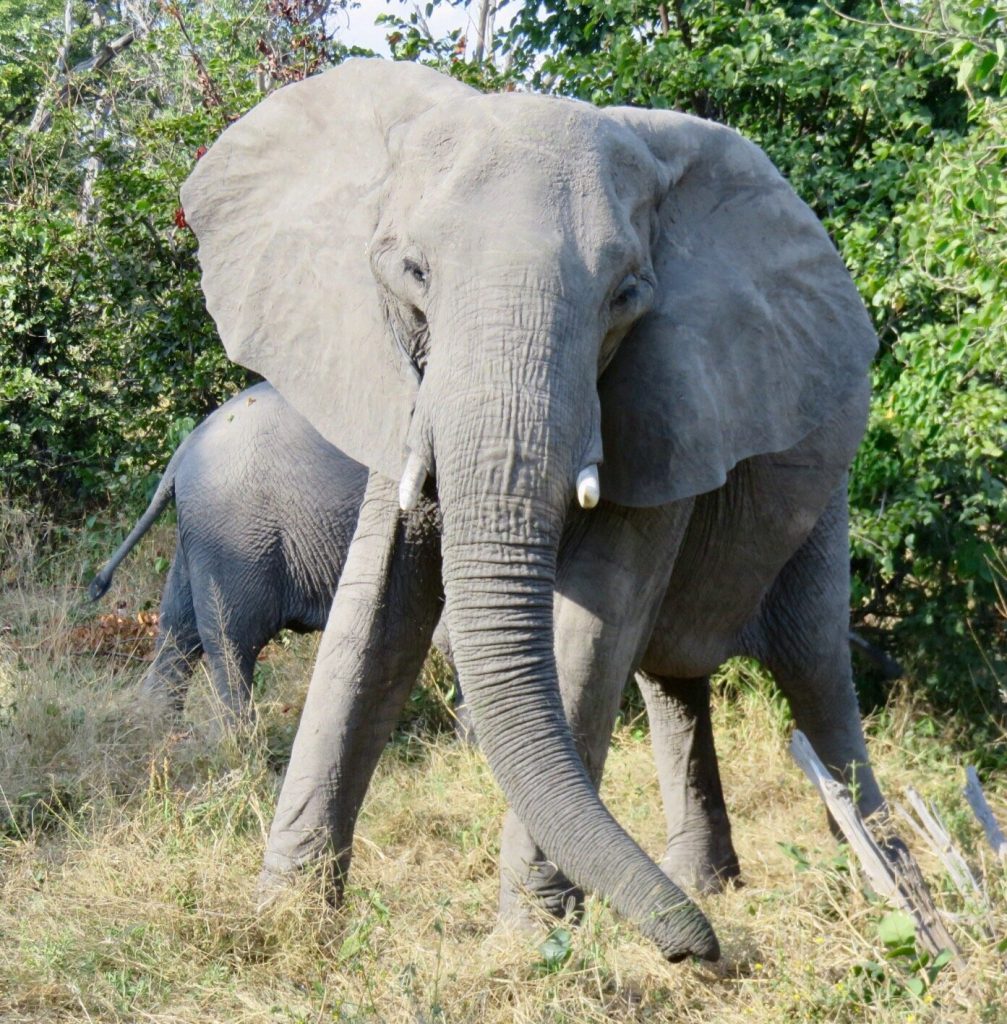
A green season safari in Botswana runs from November to April, when summer rain turns the country green, antelope drop their calves, migrant birds arrive and camp rates fall by as much as 40 percent. Game viewing in the northern parks gets harder because water is everywhere and animals disperse, while the Kalahari and the salt pans reach their yearly best. Botswana is a southern African safari country whose two regions peak at opposite ends of the calendar.
What a Green Season Safari Actually Involves
Start with the weather, because most of the misconceptions live there. Green season rain does not mean days of grey drizzle. It arrives as afternoon thunderstorms, heavy, loud and usually over within an hour or two, leaving the light afterwards that photographers travel for. January and February can deliver runs of several wet days together, and they are the exception rather than the pattern.
Daytime temperatures sit around 32°C or 33°C with humidity between 50 and 80 percent, which is the genuinely demanding part. Mornings start near 20°C, so the freezing dawn drives of the dry season are gone.
Within days of the first proper storm the country changes completely. Bare grey bush turns green, seasonal pans fill, and areas that were empty in October carry grazing herds again.
Why Green Season Safaris Cost So Much Less
Camps drop rates through the green months to keep beds occupied, and the reductions are substantial rather than token. Discounts of up to 40 percent against peak are common at the upper end. Many properties also waive single supplements entirely, which matters enormously if you are travelling alone, since solo travellers otherwise carry a heavy premium on a Botswana trip.
Availability opens up in the same way. Camps that require booking twelve to eighteen months ahead for August can often be arranged a few months out for February. Vehicles carry fewer guests, and at a sighting you will frequently be the only vehicle there.
Put plainly, the green season is how a Botswana safari becomes affordable to people for whom peak pricing simply does not work.
Ask about single supplements by name when enquiring about green season dates. Plenty of camps drop them entirely between November and March, and that can change the total cost of a solo trip more than the nightly rate discount does.
Green Season Safaris in the Central Kalahari and Makgadikgadi

This is the part that reframes the whole season. The Central Kalahari safari and the Makgadikgadi pans do not merely survive the green months, they peak in them.
Rain greens the fossil river valleys, and Deception Valley in particular pulls back game that has been widely scattered for months. Springbok, gemsbok and eland move onto fresh grazing in numbers, and the black-maned Kalahari lions, cheetah and brown hyena follow them. December through April is when the Central Kalahari Game Reserve is worth the long drive or the charter flight.
The Makgadikgadi transforms too. Salt flats that were bare white crust in September become shallow lakes fringed with fresh grass, and in wetter years flamingo and pelican arrive in numbers. Meerkat viewing, San tracking walks, sleep-outs on the pans and stargazing all run year round. Quad biking is the exception, since it needs the crust dry and firm, so it is a dry season activity.
The Zebra Migration Safari in the Green Months
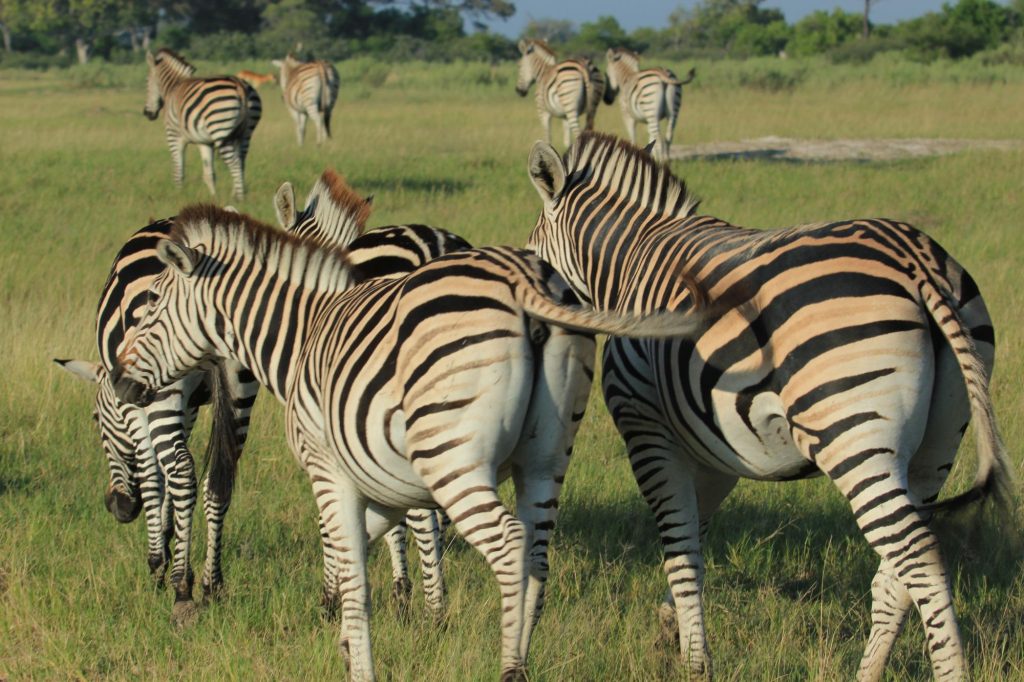
Botswana holds the longest terrestrial mammal migration in Africa and hardly anybody plans around it, for the simple reason that it happens when most people are not looking.
More than 20,000 zebra move south from the Chobe River to Nxai Pan once the first rains fall. They arrive around December, disperse across the pan through January and February, then turn north again from March on a wandering return route that takes some individuals over 800 kilometres and runs into May. A second movement of roughly 15,000 animals covers a 500 kilometre loop between the Okavango and the Makgadikgadi on a similar schedule.
December through March is the window. Foals are on the ground, the grass around the pans is at its most nutritious, and the predators trailing the herds are the same cats you would have travelled for anyway. Jack’s Camp, San Camp and Camp Kalahari all sit within reach. Outside those months the zebra hold along the Boteti River, which is excellent in its own right for elephant coming down to drink.
Calving Season and Predator Activity on Green Season Safaris
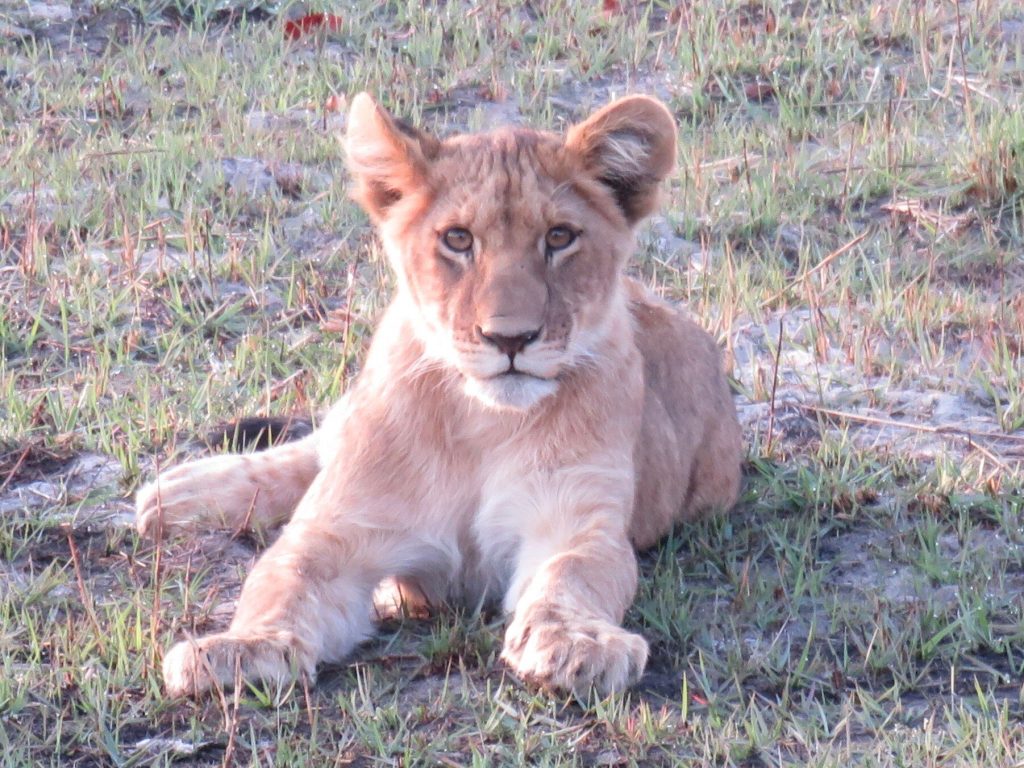
Impala and most other antelope drop their young in a tight synchronised window once the rains arrive, a strategy that swamps predators with more newborns than they can possibly take. For a visitor it produces the most active hunting of the year.
Lion, cheetah, wild dog and hyena all key into the calving. Predator sightings are less predictable than in September, since animals are not tied to water, though what you do find tends to be doing something rather than sleeping under a bush.
Wild dogs are worth a note. Denning runs through the dry months, so green season packs are mobile and covering ground, which changes how you find them rather than whether you can.
Birding Safaris in the Green Season
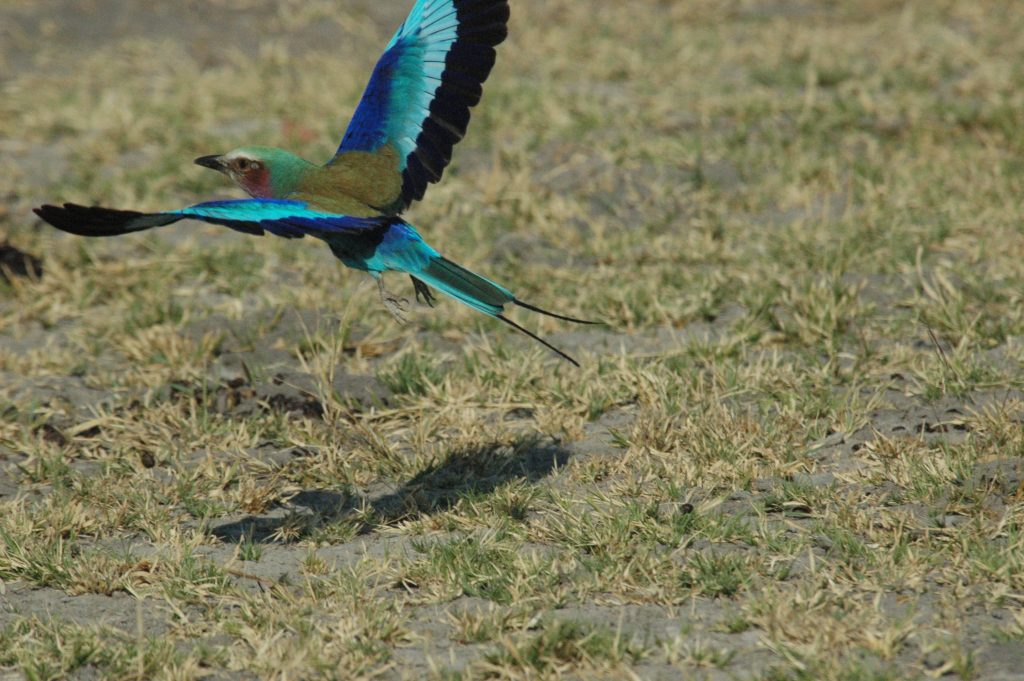
Birding inverts the general rule about seasons entirely. November through March is comfortably the strongest window for a birding safari in Botswana.
Migrants arrive from Europe and elsewhere in Africa, resident species come into breeding plumage, and the seasonal pans and filled channels bring waterbirds into areas that were dry ground weeks earlier. Flooded pans in the Makgadikgadi draw flamingo and pelican in wet years, unpredictable but worth the gamble when it comes off.
The Okavango and the Chobe riverfront both hold excellent birding through these months, and a green season trip built around birds rather than big cats gets the better end of every trade.
November and December. First storms, country greening fast, migrant birds arriving, zebra moving south to the pans. November is a shoulder month on rates and a genuine weather gamble.
January and February. Wettest and most humid, with Kasane averaging around 195mm in January. Peak green season in the Kalahari, calving underway, lowest rates and fewest vehicles anywhere.
March and April. Rain tapering, humidity falling, mosquito numbers high in March. Zebra turning north. By April the flood is entering the Panhandle and the Delta begins waking up.
What You Give Up on a Green Season Safari
Being straight about this matters more than selling the season.
Game viewing in the northern parks is harder. Standing water sits everywhere, so animals have no reason to come to the rivers, and grass grows tall enough to hide what would be plainly visible in August. Sightings still happen and can be excellent, though they take patience and a good guide rather than arriving on schedule.
Access gets unreliable. Tracks in the Central Kalahari, Makgadikgadi and parts of Moremi can turn to mud or become impassable after heavy storms, and self-drive routes that work fine in July do not work in February. Some camps close entirely for the wettest months, usually for maintenance.
Mosquito numbers climb, with March particularly bad, and malaria transmission risk in the northern districts peaks during the rains from November to March. Prophylaxis is a conversation to have with a travel clinic six to eight weeks before you fly.
Water activities in the outer Delta are at their weakest. The flood has drained away by November and the new one has not yet arrived, so mokoro trips in eastern and outer camps may not run at all.
Green season strengths. Rates down as much as 40 percent, single supplements often waived, Kalahari and pans at their yearly peak, zebra migration, calving antelope, peak birding, dramatic skies, near-empty camps.
Green season trade-offs. Harder game viewing in the north, tall grass and dispersed animals, muddy or impassable tracks, some camps closed, more mosquitoes, higher malaria risk, limited mokoro in the outer Delta.
Who a Green Season Safari Suits Best
Returning visitors, first of all. Anyone who has already ticked off elephant, lion and buffalo on a dry season trip and now wants behaviour, weather and solitude rather than a species list will find the green months far more interesting than the peak ones.
Photographers, for the thunderclouds, the saturated colour, the newborn animals and the light that follows an afternoon storm. Birders, straightforwardly. Solo travellers, because of the supplement waivers. Anyone whose budget will not reach peak rates and who would rather come in February than not come at all.
It suits a first safari less well. If you have one trip and a fixed list of animals you want to see, the dry months load the odds properly in your favour and that is worth paying for.
Travel green season with a flexible attitude. Roads turn to mud, plans shift, and the trip works far better if you treat the itinerary as a plan rather than a schedule.
Building a Green Season Safari Itinerary
The sensible structure inverts the standard route. Rather than fighting the conditions in the north, weight the trip towards the areas that are actually peaking.
Three or four nights in the Central Kalahari or the Makgadikgadi, timed for the zebra and the fresh grazing, gives you the strongest wildlife of the trip. Pair that with time on the Chobe riverfront, which holds up better through the rains than inland areas because the river is permanent and always draws game.
Add the Delta if the Okavango is the reason you are travelling, choosing a camp in the permanent inner water rather than the seasonal eastern fringe. Fly-in access removes the mud problem entirely, since light aircraft do not care what the tracks are doing, which is one argument for flying rather than driving in these months.
Frequently Asked Questions About Green Season Safaris
How much cheaper is a green season safari in Botswana?
Up to 40 percent below peak at the upper end, and many camps also waive single supplements, which compounds the saving for solo travellers. For scale, mobile camping safaris run roughly 350 to 550 US dollars per person per day, mid-range lodges 600 to 1,100, and private concession camps from 1,500 upwards in peak months. Park entry for non-residents is 120 Pula per person per day, dropping to 70 Pula through a licensed Botswana operator, and there is a 30 US dollar Tourism Development Levy payable on arrival regardless of season.
Is the game viewing really that much worse in the green season?
In the northern parks, yes, noticeably. Water sits everywhere so animals have no reason to concentrate, and tall grass hides what would be obvious in August. In the Kalahari and on the pans it is the opposite, with the green months delivering the best wildlife of the year there. The honest summary is that green season game viewing needs patience and a good guide, and rewards you with behaviour and solitude rather than volume.
Does it rain all day during the green season?
Rarely. Rain typically comes as a heavy afternoon thunderstorm lasting an hour or two, then clears, and mornings are usually bright. January and February can produce several consecutive wet days, and those are the wettest weeks of the year, with Kasane averaging around 195mm in January across roughly 13 rainy days. Even in the wettest month you get plenty of sunshine, and activities are simply timed around the storms.
Which camps close during the green season?
It varies year to year and there is no fixed list, though seasonal camps on the drier eastern edge of the Delta and some mobile operations shut for the wettest months, often for maintenance. Permanent lodges in the inner Delta, along the Chobe riverfront and in the Kalahari usually stay open. Check directly when enquiring, and be aware that a camp confirming it is open does not mean every activity it advertises is running.
Can I still do mokoro trips in the green season?
Only at some camps. The Okavango flood drains away by November and the next one does not arrive until around April, so channels in the outer and eastern Delta are at their lowest of the year. Camps sitting in permanent inner Delta water run mokoro trips year round. Camps on seasonal water switch to game drives. If gliding through papyrus channels is the image driving your trip, either book a permanent water camp or travel between June and September.
Do I need malaria precautions in the green season?
The northern districts including the Okavango Delta, Chobe and Ngamiland carry their highest transmission risk during the rains from November to March, so this is the season where the conversation matters most. Central Botswana is low to medium risk and the southern half is low to zero. Mosquito numbers peak in March. Speak to a travel clinic six to eight weeks before departure, use repellent, cover arms and legs in the evenings and sleep under a net where one is provided.
Booking Your Botswana Trip
The safari companies and tour operators listed on this website put trips like this together for a living and know which camps, guides and routes actually deliver. We are an independent guide to Botswana; we do not book or sell tours ourselves.
When you are ready, arrange your safari, tour or holiday with one of the recognised operators listed here. Tell them your dates and what matters most, and a real person, not a form, will handle the itinerary, park bookings and logistics for you.