Luxury Botswana Safaris

Botswana is the most expensive safari destination in Africa by design rather than accident, because government policy caps visitor numbers deliberately and sells access to enormous private concessions rather than filling parks with vehicles. What that buys is space: two to four vehicles at a sighting rather than twenty, and activities the national parks cannot legally offer. Luxury here is about who else is allowed in more than about thread count.
What Luxury Means in Botswana
The word carries a specific meaning here and it is worth separating from what it means elsewhere.
Botswana operates a low-volume, high-value tourism model. Rather than maximising visitor numbers, the country restricts them and charges accordingly, leasing vast private concessions to a handful of operators who run very few camps across enormous areas.
The consequence is vehicle density. On a Botswana private concession you may go an entire drive without passing another vehicle, and sightings typically involve two to four vehicles against twenty or more in the busiest East African reserves.
The second consequence is access. Concessions permit off-road driving, night drives and guided walking, none of which national parks allow. That is a legal difference, not a service one, and no amount of money buys it inside Moremi or Chobe.
Comfort follows, and it is genuinely high, but the comfort is downstream of the access rather than the point of it.
You are not paying Botswana prices for a better tent. You are paying for permission to leave the road, drive after dark and walk, and for a lease agreement capping how many other vehicles can join your leopard.
What a Luxury Rate Includes
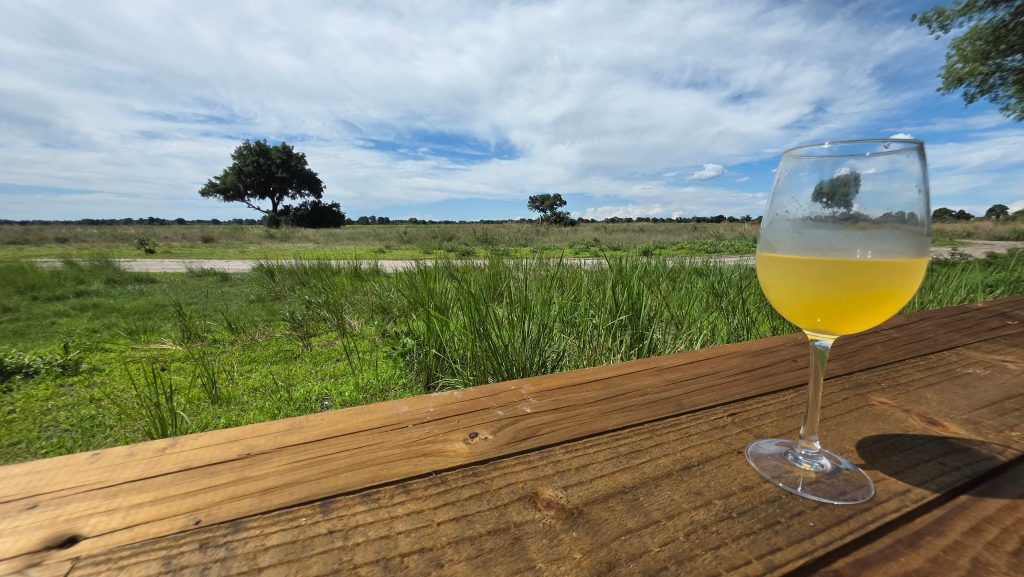
All-inclusive means more here than at most destinations, and knowing where the line falls prevents surprises.
A standard luxury rate covers accommodation, all meals, most drinks including house wines and spirits, laundry, twice-daily activities, park and concession fees and conservation levies.
At the upper tiers premium drinks are frequently included too, alongside private guiding.
What sits outside is international flights, internal charter legs unless bundled, travel insurance, premium imported wines and spirits, tips, and discretionary extras such as helicopter flights.
Internal charters are the item that catches people out, running roughly 250 to 500 US dollars per person per leg where not included, and a multi-camp itinerary needs several.
Ask for written confirmation of what a quoted rate covers, since all-inclusive is used loosely across the market and the differences are substantial.
The Tiers and What They Cost
Botswana pricing splits into bands that are reasonably consistent across operators.
Value luxury sits around 600 to 850 US dollars per person per night, delivering genuinely comfortable camps in excellent locations.
Premium luxury runs roughly 850 to 1,200, with superb camps on private concessions and often private guiding.
Ultra-luxury and remote fly-in starts around 1,200 and runs to 2,500 and well beyond, with the most celebrated names reported at 3,500 to 5,000 per person per night in peak season and some figures cited as high as 7,000.
At the top tier a seven-night stay can exceed 50,000 US dollars per couple before international flights.
An eight to ten night fly-in luxury itinerary commonly lands between 8,000 and 15,000 per person, with privately guided trips going considerably higher.
Where the Luxury Camps Are

Three regions carry the top end and they offer different things.
The Okavango Delta holds the celebrated names, on private concessions with permanent water, mokoro, boating and the country’s strongest predator viewing. Mombo on Chief’s Island is the most famous, in an area known locally as predator central.
The Linyanti, Selinda and Kwando concessions north of the Delta deliver enormous dry-season elephant concentrations, exceptional wild dog and vehicle numbers capped by lease agreement. Zarafa in Selinda has only four tented suites across a reserve of around 130,000 hectares.
The Makgadikgadi offers something different entirely, with quad biking, meerkats, San walks and sleep-outs on the salt at camps that trade on strangeness rather than conventional game viewing.
The Linyanti region is rarely a standalone trip, with most travellers combining two or three nights there with three to five in the Delta.
Our page on luxury safari lodges covers the individual properties in detail, including tent configurations, family options and which camps sit on permanent water.
Value luxury. Roughly 600 to 850 US dollars per person per night. Comfortable camps in excellent locations, often on the fringes or in community areas. Good guiding, genuine wilderness, more vehicles around. The same camps carry most of the country’s honeymoon safaris.
Premium luxury. Roughly 850 to 1,200. Private concessions with capped vehicle numbers, off-road driving, night drives and walking, often with private guiding included.
Ultra-luxury. From 1,200 to 2,500 and beyond, with the most celebrated camps reported far higher. The finest properties on the most exclusive concessions, reached by charter flight only.
When to Go and What It Saves
Season moves luxury pricing more sharply in Botswana than in almost any other destination.
July through October is peak, with dry season game concentration, wildlife pinned to permanent water and the Okavango flood at its highest. Rates and availability are both at their worst.
May, June and November are shoulder, with discounts commonly around 15 to 25 percent and considerably better availability.
December through March is green season, with discounts of 30 to 45 percent and some sources reporting up to 60 percent at particular camps. Some properties close entirely.
What green season delivers is exceptional birding, dramatic skies, newborn game and the zebra migration on the pans, against harder general game viewing in the north and less predictable weather.
For a first Botswana trip in peak season, book twelve to eighteen months ahead. Bed numbers are capped by policy, so the constraint is availability rather than budget for the best camps.
Is It Worth the Money
This deserves a straight answer rather than a sales pitch.
Botswana costs structurally more than Kenya or Tanzania because of the visitor caps and the logistics of reaching remote wilderness. That premium is real and it is not marketing.
What it buys is measurable. Lower vehicle densities, activities the parks prohibit, guides among the best trained on the continent, and a combination of water and land safari that few destinations manage. At the top end the same circuit is sold as the 10 day Botswana grand safari.
Whether that is worth it depends on what you want. A traveller whose priority is seeing the greatest number of animals for the least money will do better in East Africa. A traveller who would rather share a leopard with nobody will not.
There is also a middle path most people overlook. Mid-range camps at 600 to 1,100 per night deliver the same wildlife in the same country, and mobile camping at 350 to 550 reaches areas the lodges cannot.
The wildlife does not know what you paid.
The honest framing is that Botswana sells solitude rather than animals. Every tier here delivers the same country and much the same species list, and what climbs with the price is how few other people share it with you. Some travellers value that above almost anything and others would rather spend the difference on an extra week. Both are reasonable positions and an operator worth using will say so rather than pushing you upward.
If budget is a constraint but having the place to yourself is not negotiable, travel in shoulder season rather than dropping a tier. April, May and November put premium concession camps within reach at 15 to 25 percent off, and the game viewing in those months is considerably better than the discount suggests.
Frequently Asked Questions About Luxury Botswana Safaris
How much does a luxury Botswana safari cost?
Value luxury runs roughly 600 to 850 US dollars per person per night, premium luxury 850 to 1,200, and ultra-luxury from 1,200 to 2,500 and beyond. The most celebrated camps are reported at 3,500 to 5,000 per person per night in peak season, with some figures cited as high as 7,000. An eight to ten night fly-in luxury itinerary commonly lands between 8,000 and 15,000 per person, and a seven-night stay at the top tier can exceed 50,000 per couple.
Why is Botswana more expensive than other safari destinations?
By deliberate government policy. Botswana operates a low-volume, high-value tourism model, capping visitor numbers rather than maximising them and leasing enormous private concessions to a handful of operators running very few camps. Reaching remote areas requires light aircraft, which adds cost. The premium buys lower vehicle densities, typically two to four at a sighting against twenty or more in the busiest East African reserves, plus activities the national parks prohibit.
What is included in a luxury Botswana safari rate?
Accommodation, all meals, most drinks including house wines and spirits, laundry, twice-daily activities, and park and concession fees including conservation levies. Upper tiers often include premium drinks and private guiding. Excluded are international flights, internal charter legs unless bundled, insurance, premium imported wines and spirits, tips and extras such as helicopter flights. Charters run roughly 250 to 500 per person per leg, which catches people out.
What do private concessions offer that national parks do not?
Off-road driving, night drives and guided walking, none of which national parks permit, plus vehicle numbers at a sighting capped by lease agreement. Those are legal differences rather than service ones, so no amount of money buys them inside Moremi or Chobe. Off-road access means following a leopard into the treeline rather than watching it leave, and night drives reveal aardvark, pangolin, civet, genet and hunting cats.
When is the cheapest time for a luxury Botswana safari?
December through March, the green season, with discounts commonly 30 to 45 percent and some camps reported at up to 60 percent off, though some properties close entirely. May, June and November are shoulder season with 15 to 25 percent discounts and much better availability. July through October is peak, with the highest rates and the tightest availability, and the best camps need booking twelve to eighteen months ahead.
Is a luxury Botswana safari worth the cost?
It depends what you want. Botswana costs structurally more than Kenya or Tanzania because of visitor caps and remote logistics, and that premium is genuine rather than marketing. It buys lower vehicle densities, activities the parks prohibit, exceptional guiding and a rare combination of water and land safari. A traveller wanting maximum animals for minimum money will do better elsewhere. Mid-range camps and mobile camping deliver the same wildlife at considerably lower cost.
Booking Your Botswana Trip
The safari companies and tour operators listed on this website put trips like this together for a living and know which camps, guides and routes actually deliver. We are an independent guide to Botswana; we do not book or sell tours ourselves.
When you are ready, arrange your safari, tour or holiday with one of the recognised operators listed here. Tell them your dates and what matters most, and a real person, not a form, will handle the itinerary, park bookings and logistics for you.