Best Time to Visit Botswana
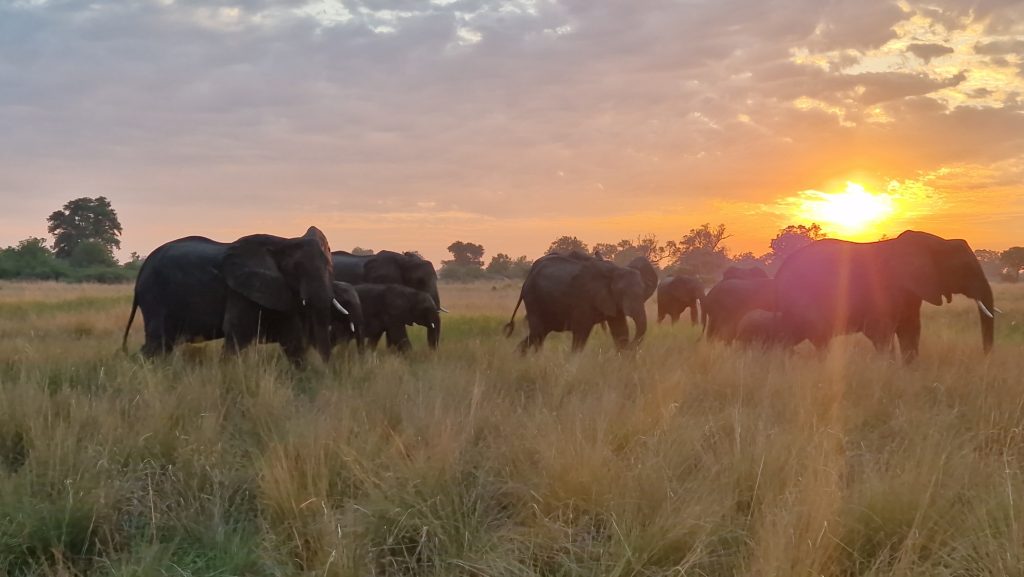
The best time to visit Botswana for a safari is May through October, the dry season, when the Okavango flood runs high, vegetation thins out and wildlife concentrates around permanent water. July to September is the peak, and the better camps in those months fill up close to a year ahead. Botswana is a southern African safari country with a subtropical desert climate, dry winters from May to September and wet summers from November to April.
Dry Season Safaris in Botswana, May to October
Six months pass with virtually no rain at all. That single fact drives everything about a dry season Botswana safari. Waterholes across the Kalahari and the wider bush empty out, grass browns and falls back, and animals are pushed towards the rivers and the Delta channels that still hold water. You are not searching a green wall of vegetation for a lion. You are watching an open plain where the lion has nowhere much to hide.
May opens the season and a lot of guides quietly rate it their favourite month. Mornings sit near 10°C, afternoons around 28°C, the bush still carries some colour from the rains, and rates have not yet climbed to peak. June and July bring the cold. Morning game drives leave in temperatures around 6°C or 7°C, and Kalahari nights drop below freezing with frost on the ground.
By September and October the country is dust and bare branches, and the game viewing is at its absolute best. October is also brutal, with afternoons that push into the mid thirties and beyond. People call it suicide month for a reason, and it is nonetheless when many photographers choose to come.
Pack for two climates in one day. A June morning drive at 6°C with wind chill on an open vehicle is genuinely cold, and by eleven the same day you will be in a shirt. Layers matter more here than almost anywhere else in Africa.
Green Season Safaris in Botswana, November to April

The rains come as afternoon thunderstorms rather than steady drizzle, dramatic and usually short, though January and February can deliver days of continuous rainfall. Daytime temperatures hold around 32°C with humidity between 50 and 80 percent. The country turns green within days of the first proper storm.
Game viewing gets harder. Water lies everywhere, so animals disperse instead of concentrating, and thick grass hides what would be obvious in August. That is the honest cost.
The gains are real too. Impala and other antelope drop their young in a tight window, which pulls predators into the open and makes for the most active hunting of the year. Migrant birds arrive in force. Rates fall steeply, by as much as 40 percent at the top end. And you will often have a sighting entirely to yourself, which in July you will not.
Dry season, May to October. Peak for the Okavango Delta, Moremi, Chobe, Linyanti and Savuti. Flood high from June. Cold mornings in June and July, very hot by October. Highest rates and earliest bookings.
Green season, November to April. Peak for the Central Kalahari, the Makgadikgadi pans and the zebra migration. Best birding, newborn antelope, dramatic skies. Lowest rates and fewest vehicles.
Best Time for Okavango Delta Water Safaris and the Flood Cycle

Here is the part that confuses almost everyone planning an Okavango Delta safari for the first time. The Delta floods in the dry season, not the wet one.
Rain falls over the Angolan highlands during the southern summer. That water enters the Okavango River and takes roughly four months to travel south, crossing into Botswana through the Panhandle around April, reaching full flow by the end of May, and peaking across the main Delta around July, at which point local rainfall in Botswana is zero. The water then spreads across flat Kalahari sand, never reaches an ocean, and simply evaporates and soaks away.
For your trip that means water-based activities peak from June through August or September. Mokoro trips need channel depth, and in the outer and eastern parts of the Delta those channels drop away by late spring. April is a lovely time to be on the water in the north and west as new routes open. By November and December the outer Delta is at its lowest and many camps have switched almost entirely to game drives.
Best Time for Chobe River Safaris and Elephant Viewing
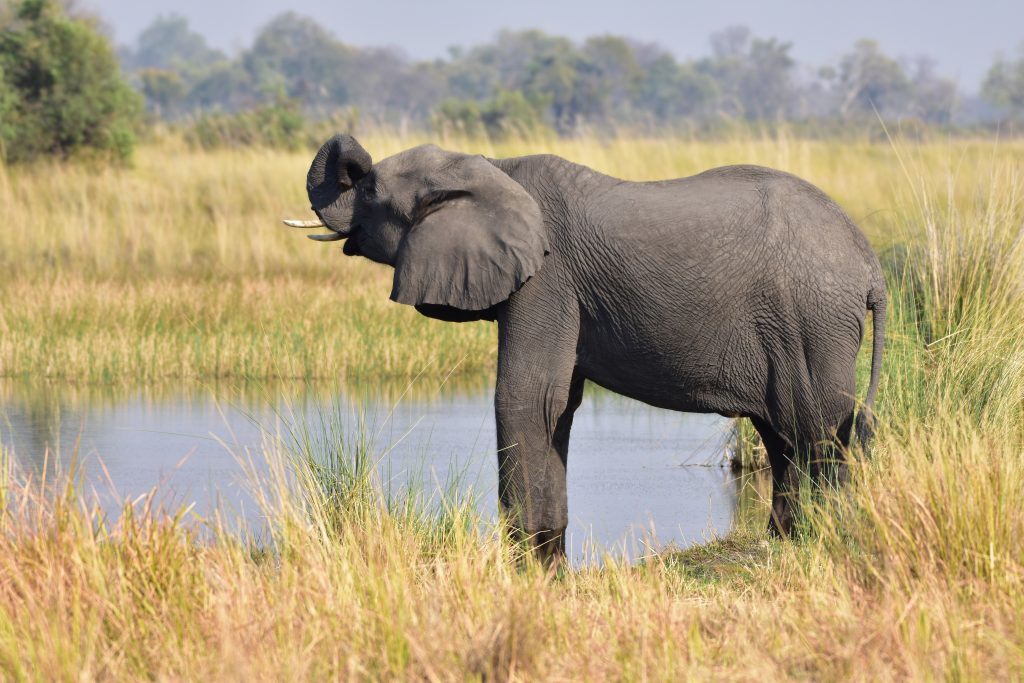
A Chobe safari works year round, and it peaks hard between July and October. The riverfront draws elephant from a national population of roughly 130,000 during the dry months, and by September the herds coming down to drink in an afternoon run into the hundreds along a single stretch of bank.
Boat safaris are at their best in exactly these months, since the surrounding bush has nothing left to offer and everything comes to the river. Buffalo arrive in large numbers, lion follow, and crocodile and hippo are visible all day.
Green season here is quieter for big game but far better for birds, and the riverfront never empties the way inland areas do. If Chobe is the only part of Botswana you can fit in, the dry months are worth building the whole trip around.
Best Time for Kalahari and Makgadikgadi Pans Tours
The desert runs on an inverted calendar, and this is the single most useful thing to know about timing a Botswana trip.
The Central Kalahari and the Makgadikgadi pans are at their strongest from December through April, precisely when the northern parks are at their weakest. Rain greens the fossil valleys, Deception Valley fills with grazing game that has been scattered for months, and predators follow. Flamingos arrive on the flooded pans in the wetter years.
Salt pan activities split by season in a way worth checking before booking. Quad biking across the crust needs the surface firm and dry, so it runs in the dry months from roughly May to October. Meerkat viewing, San tracking walks, sleep-outs on the open pan and stargazing hold up all year. Kubu Island and Baines’ Baobabs are reachable most of the year, though access after heavy rain can be difficult.
North in the dry months. May to October. Okavango, Moremi, Chobe, Linyanti. High flood, concentrated game, water safaris at their peak. This is the classic Botswana window.
South in the green months. December to April. Central Kalahari, Makgadikgadi, Nxai Pan. Fresh grazing, zebra migration, newborn game, dark skies and very few other vehicles.
Best Months for the Zebra Migration Safari
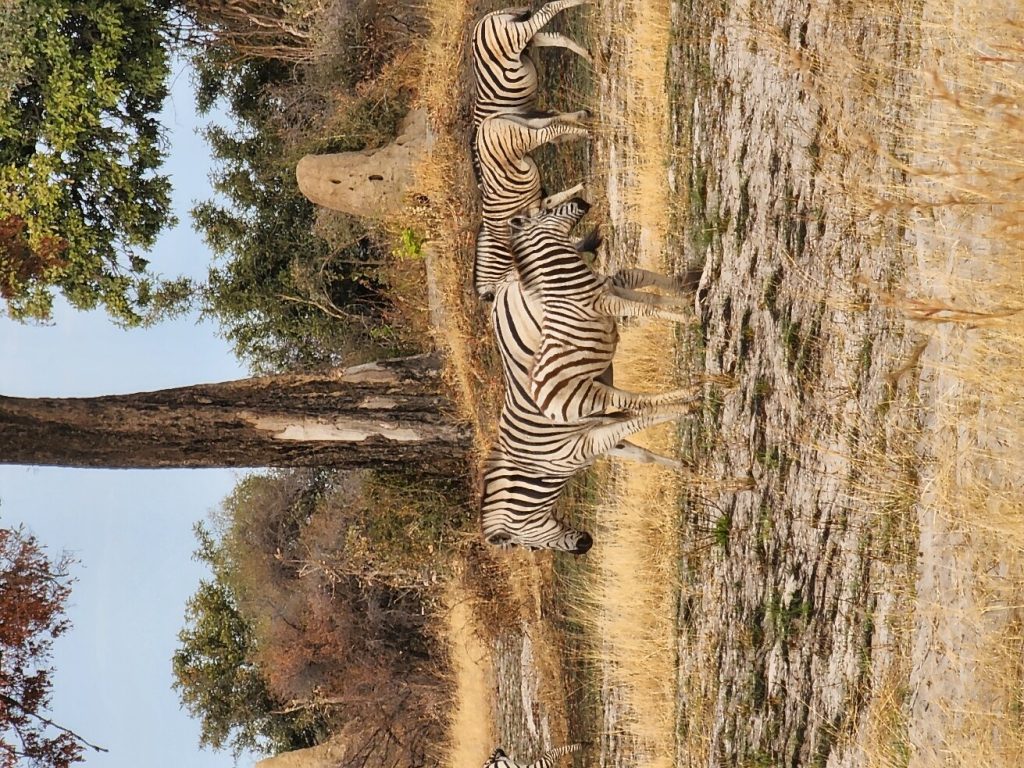
Botswana has the longest terrestrial mammal migration in Africa and hardly anyone plans around it, mainly because it happens during the low season.
More than 20,000 zebra move south from the Chobe River to Nxai Pan, triggered by the first rains. They arrive around December and disperse across the pan through January and February, then turn north again from March, some individuals covering over 800 kilometres on a wandering return route that runs into May. A second movement of roughly 15,000 animals runs a 500 kilometre loop between the Okavango and the Makgadikgadi on a similar schedule.
December through March is the window. Foals are on the ground, the grass around the pans is at its most nutritious, and the predators that follow the herds are the same black-maned lions, cheetah and hyena you came for anyway. Outside those months the zebra are along the Boteti River, which is worth a visit in its own right for the elephant coming down to drink.
Best Time for Birding Safaris in Botswana

Birding inverts the general rule. The strongest months for a birding safari in Botswana run from November through March, when migrants arrive from Europe and elsewhere in Africa, resident species come into breeding plumage, and the Delta channels and seasonal pans fill with waterbirds.
Carmine bee-eater colonies along the river banks are a September event, which straddles both seasons. Flooded pans in the Makgadikgadi draw flamingo and pelican in wet years, unpredictable but spectacular when it happens.
Dry season birding remains good along permanent water, and the light is better for photographing what you find. For a trip built around birds rather than mammals, though, the green months win comfortably.
Best Months for Walking Safaris and Photography Safaris
Walking safaris are best from May through September. The ground is dry and firm, grass is low enough to see through, snakes are less active in the cold, and morning temperatures make walking pleasant rather than punishing. Guided walks are broadly restricted to private concessions, so timing and camp choice are linked here.
Photography splits by what you are after. August through October delivers concentrated game, dust in the air for atmosphere, and predictable animal behaviour at waterholes. The green months from December to March give you thunderclouds, saturated colour, newborn animals and dramatic light, at the cost of finding fewer subjects. Winter light is sharp and clean, which matters if you are shooting into the low sun over water. Quick answers to the questions travellers ask most are gathered on our Botswana travel FAQ.
Botswana Weather Month by Month for Safari Planning
Rainfall averages roughly 450mm across most of the country, dropping below 250mm in the southwestern Kalahari and rising to between 500mm and 700mm in the north and east. It is erratic year to year, and guides who have worked here decades will tell you about thunderstorms in the middle of a Kalahari winter and drought through what should have been a wet summer.
January and February are the wettest and most humid months, with afternoon downpours and daytime temperatures around 32°C. March and April cool steadily as rain tapers off, and April brings clear skies with days near 30°C and cooler nights. May turns properly dry, mornings near 10°C. June, July and August are cold at dawn, around 6°C to 7°C, mild by afternoon at 26°C, with frost common in the south and west.
From late August into early October the west wind picks up and carries Kalahari dust across the country. September and October heat up sharply and stay dry. November and December bring cloud, the first storms, and mornings near 20°C climbing to 33°C by afternoon.
Booking Ahead for Peak Season Camps
Bed numbers in Botswana are capped by policy rather than by demand, which has a direct consequence for timing. The good camps in the Delta and Linyanti take bookings twelve to eighteen months out for July, August and September, and by the time most people start planning, the ones they read about are gone.
Shoulder months are the practical answer for anyone booking late. April, May and November sit at roughly 10 to 20 percent below peak rates with much better availability, and May in particular gives you rising flood, thinning bush and prices that have not yet peaked.
Frequently Asked Questions About When to Visit Botswana
What is the cheapest month to go on safari in Botswana?
January through March, the middle of the green season. Camp rates fall by up to 40 percent against peak, and shoulder months of April, May and November sit around 10 to 20 percent below peak. For context on what you are saving against, mobile camping safaris run roughly 350 to 550 US dollars per person per day, mid-range lodges 600 to 1,100, and private concession camps from 1,500 upwards. Park entry for non-residents is 120 Pula per person per day, or 70 Pula through a licensed Botswana operator, and there is a 30 US dollar Tourism Development Levy on arrival.
What is the worst time to visit Botswana?
There is no month with nothing to offer, though January and February are the hardest for classic game viewing in the north. Rain is at its heaviest, humidity sits between 50 and 80 percent, grass is tall, animals are widely scattered and some tracks become impassable. Malaria risk in the northern districts also peaks during the rains. Those same weeks are the best of the year in the Kalahari and on the pans, so the answer depends entirely on which part of the country you are heading to.
When is the Okavango Delta at its fullest?
Around July, with high water holding from roughly June through August or September. The flood arrives from Angolan rain that fell four months earlier, crosses into the Panhandle around April and reaches full flow by the end of May. Mokoro and boat safaris are at their best in these months. If water activities are the reason you are going, avoid the November to January window in the outer Delta, when channels are at their lowest and many camps run game drives instead.
How cold does Botswana get in winter?
Colder than most visitors expect. Morning temperatures on June and July game drives average around 6°C to 7°C, and nights in the Kalahari and other dry inland areas drop to freezing or below, with frost common. Afternoons recover to a comfortable 25°C or 26°C. Camps supply blankets and hot water bottles for early drives, though a proper fleece, a windproof layer, gloves and a hat make the difference between enjoying a dawn drive and enduring one.
Is it worth visiting Botswana in the green season?
For a first safari where you want reliable Big Five sightings, the dry months are the safer choice. For a second or third visit, for birders, for photographers, or for anyone whose budget will not stretch to peak rates, the green season is a genuine bargain rather than a compromise. You get newborn game, active predators, migrant birds, dramatic skies, empty camps and the Kalahari at its yearly best. Sightings take more patience, and nothing is ever guaranteed in either season.
When should I book a Botswana safari?
Twelve to eighteen months ahead for July, August and September, particularly for well-regarded Delta and Linyanti camps, which sell out that far in advance because bed numbers are deliberately restricted. Six to nine months is usually workable for shoulder months. Green season can often be arranged a few months out, sometimes less. If your dates are fixed and your heart is set on a specific camp, book the camp first and build the rest of the routing around it.
Booking Your Botswana Trip
The safari companies and tour operators listed on this website put trips like this together for a living and know which camps, guides and routes actually deliver. We are an independent guide to Botswana; we do not book or sell tours ourselves.
When you are ready, arrange your safari, tour or holiday with one of the recognised operators listed here. Tell them your dates and what matters most, and a real person, not a form, will handle the itinerary, park bookings and logistics for you.