Chobe Itinerary
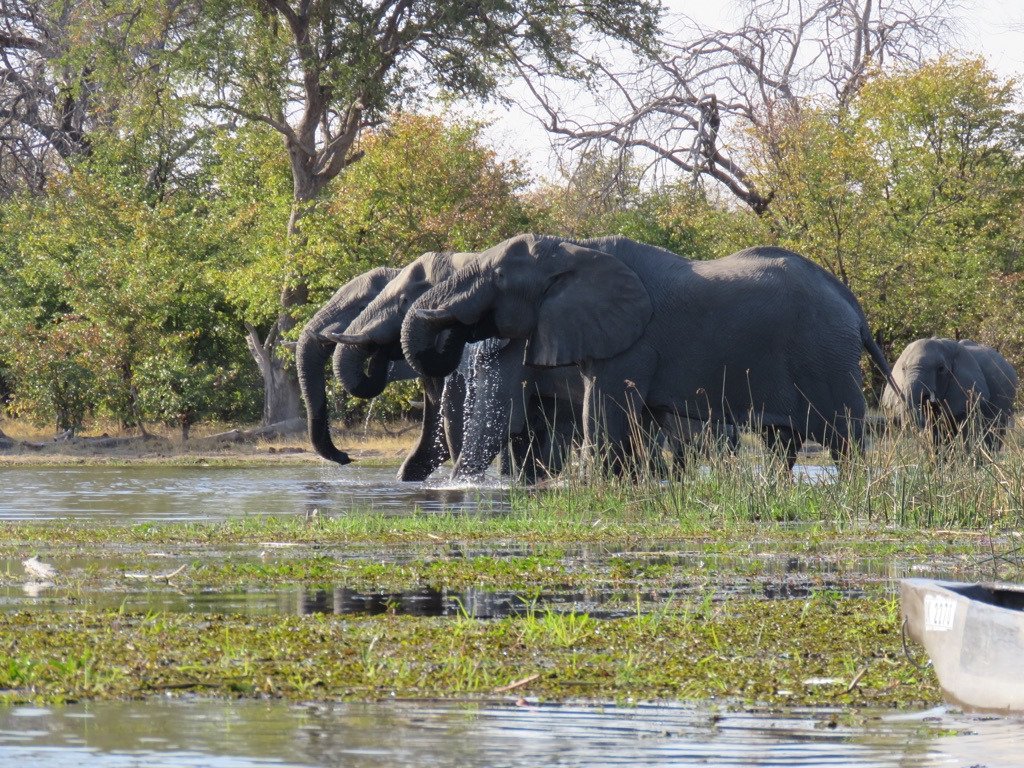
A Chobe itinerary can run from a single night to a week, and the structure depends on whether you stay on the riverfront or go inland to Savuti and Linyanti. The riverfront needs no internal flight, sitting minutes from Kasane airport, which makes Chobe the most accessible safari area in Botswana. Chobe National Park covers around 11,700 square kilometres and holds the highest elephant density in Africa.
The Four Areas of Chobe and How They Differ
Most visitors treat Chobe as one place. It is four, and they deliver quite different safaris.
The riverfront at Kasane is the accessible section, minutes from the airport through the Sedudu Gate, with boat safaris and game drives along the Chobe River. This is where the enormous dry-season elephant concentrations gather.
Savuti lies inland to the southwest, built around the Savuti Channel, which fills and empties on its own unpredictable schedule. It carries a long reputation for lion, including prides that hunt elephant, behaviour recorded in very few places.
Linyanti in the northwest is marshland along the Linyanti River, on private concessions rather than inside the park, drawing huge elephant numbers in the dry months with very few vehicles.
Ngoma and the western boundary offer a quieter entry to the riverfront, away from the concentration of lodges around Kasane.
A short trip means the riverfront. A longer one means adding Savuti or Linyanti, which requires either a charter flight or a long sand drive.
Chobe is the only major Botswana safari destination reachable without an internal charter flight. That single fact makes it the cheapest and the most flexible part of the country to build an itinerary around.
A Two or Three Night Chobe Riverfront Itinerary

The commonest Chobe trip and the one that works best on limited time.
Fly into Kasane, transfer by road to a riverfront lodge, mostly within 45 minutes and often far less. Take the afternoon boat safari on arrival, which needs no early start and puts you among drinking elephants and hippo pods within twenty minutes of leaving the jetty.
A full day allows a morning game drive into the park along the riverfront and into the woodland behind, where sable and roan hold, then an afternoon on the water. Alternating the two gives you the same wildlife from completely different angles.
The final morning takes an early drive before breakfast and departure. Book an afternoon flight out so that last drive survives.
Three nights is the sweet spot here. Two works, since no charter flight eats your time, which is why Chobe suits a short trip better than anywhere else in Botswana.
Adding Savuti to a Chobe Itinerary

Savuti is what turns a Chobe trip into a proper safari rather than a river extension.
The country is entirely different from the riverfront: open grassland, rocky outcrops and the channel bed, with a raw quality the river lacks. Predator viewing is the draw, and Savuti’s lion prides are among the most studied in Africa. Adding the Delta to the front of it produces the 6 day Okavango and Chobe safari, the most commonly booked pairing in the country.
Reaching it means a light aircraft from Kasane or Maun, roughly twenty to forty minutes, or a long drive through deep sand that experienced self-drivers manage in several hours.
Three nights riverfront plus three nights Savuti makes an excellent week within Chobe alone, without touching the Delta.
Savuti sits inside the national park, so no off-road driving, no night drives and no walking. If those matter, Linyanti is the better inland choice.
Linyanti, Selinda and the Private Concessions
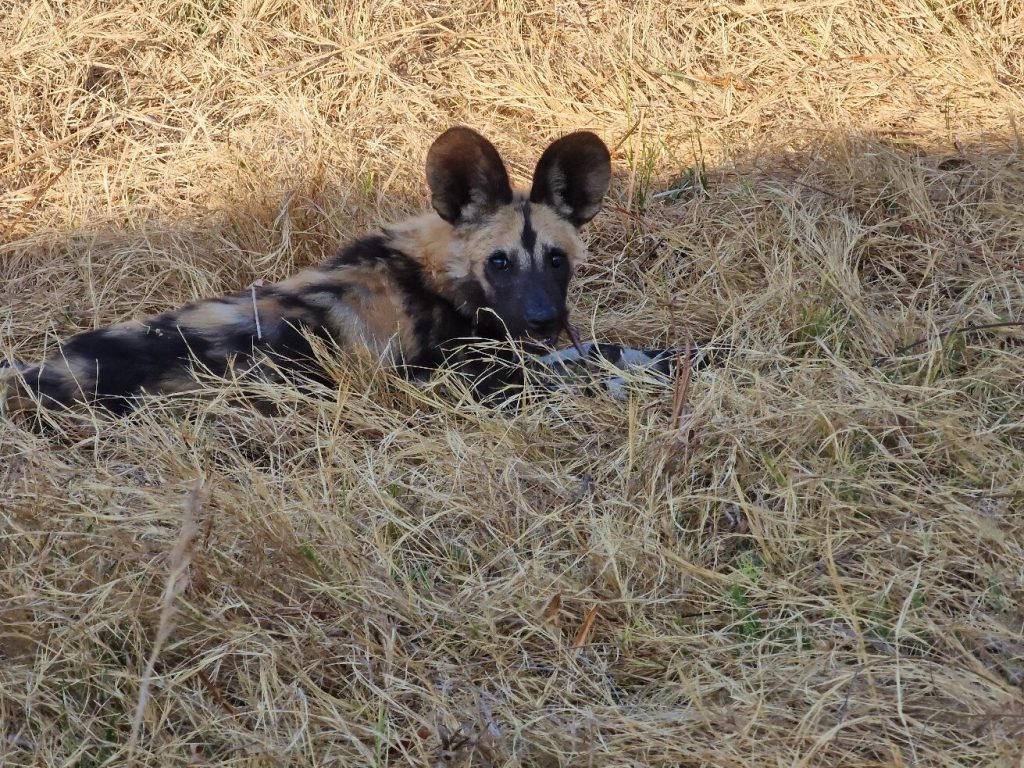
North and west of Savuti lies the country that experienced safari travellers frequently rate above the Delta names.
The Linyanti marshes, the Savuti Channel and the Selinda Spillway form a linked water system, and the camps here sit on private concessions rather than inside park boundaries. That permits off-road driving, night drives and guided walking, none of which is allowed inside Chobe itself.
Dry-season elephant concentrations along the Linyanti waterways are enormous, and vehicle numbers at a sighting are capped by concession agreement, so wildlife is often yours alone.
Selinda runs walking and canoe safaris along the spillway when water allows.
Rates here run well above the Kasane riverfront lodges. What you buy is solitude and the activities the park cannot offer.
Riverfront, two to three nights. No charter flight, minutes from the gate, boat and vehicle safaris, biggest elephant concentrations. Cheapest and most accessible. Pairs easily with Victoria Falls.
Savuti, three nights. Inland grassland and the channel, exceptional lion, quite different country. Reached by light aircraft or long sand drive. National park rules, so no night drives or walking.
Linyanti and Selinda, three nights. Private concessions with off-road driving, night drives and walking permitted. Huge dry-season elephant numbers, very few vehicles, higher rates.
Combining Chobe With Victoria Falls
Chobe’s position makes this the easiest combination in southern Africa, and it is why so many regional itineraries hinge on Kasane.
Victoria Falls sits around 80 kilometres away. Road transfers take a couple of hours including the Kazungula crossing into Zimbabwe, which can queue badly in peak season. A scheduled light aircraft covers the same route in roughly twenty minutes.
Two or three nights at the Falls covers the waterfall itself, the activities and a Zambezi cruise. Many travellers do the Falls first and Chobe second, or the reverse, depending on international flight routing.
Note that each country applies its own entry rules. A Botswana single-entry visa cannot be used to return after a day trip across, and unabridged birth certificates for minors are checked at every crossing.
Hwange in Zimbabwe sits within reach of the same corner and adds a third park at lower cost than Botswana camps.
Self-Driving a Chobe Itinerary
Chobe is one of the more approachable self-drive destinations in Botswana, with real caveats.
There are only three campsites inside the park, one in each area: Ihaha on the riverfront, plus Savuti and Linyanti. By default these are the best available, and Savuti in particular is well kept.
All three must be booked well ahead through the private operators that now run most of Botswana’s public campsites, with park fees settled separately with the Department afterwards. Entry has been refused at gates for paperwork errors.
Park tracks are deep sand throughout and behave like driving through dunes in the dry season. After heavy rain most become impassable. A properly equipped 4×4 with recovery gear is required, and fuel is not sold inside the park.
Tell your rental company you are heading into Chobe, since taking an unsuitable vehicle voids the agreement.
The riverfront lodges cluster around Kasane and the sightings there are shared with day visitors from Victoria Falls. Staying toward Ngoma on the western boundary, or inland at Savuti, puts you well clear of the concentration for a modest difference in rate.
Best Time for a Chobe Itinerary
Chobe works year round, which few Botswana areas do, and it peaks hard in the dry months.
July through October is the strongest window. Surface water elsewhere has gone, so the herds come to the river, and several hundred elephants along one stretch of bank in an afternoon becomes ordinary. Buffalo arrive in the hundreds and lion follow them. Boat safaris are at their best.
September and October give the most concentrated game, with October the hottest month at a Maun-area average maximum near 37°C.
June and July mornings are cold, around 6°C to 7°C on an open vehicle before wind chill.
Green season from November to April brings fewer large mammals and far better birding, and the riverfront holds up better than inland areas because the river is permanent. Rates fall considerably.
Frequently Asked Questions About a Chobe Itinerary
How many days do you need in Chobe?
Two or three nights covers the riverfront properly, and because no internal charter flight is needed, a short Chobe trip loses far less time to transfers than anywhere else in Botswana. Six nights allows three on the riverfront and three inland at Savuti or Linyanti, which makes a complete week within Chobe alone. A single night works as a Victoria Falls add-on, though it gives you only one boat safari and one drive.
How much does a Chobe safari cost?
Riverfront lodges are among the most competitively priced in Botswana, with mid-range properties running roughly 600 to 1,100 US dollars per person per night all-inclusive and budget options considerably lower. Linyanti and Selinda private concession camps start near 1,500 and reach beyond 4,000. Park entry is 120 Pula per person per day for non-residents, or 70 Pula through a licensed Botswana operator. No charter flight is needed for the riverfront, which saves 250 to 500 per person per leg.
Is Chobe better by boat or by game drive?
Both, and alternating them is what makes a Chobe itinerary work. Boat safaris put you at eye level with drinking elephants, hippo pods and crocodiles, and elephants crossing to the islands is a particular sight. Game drives cover the same riverfront from the bank and reach the drier woodland behind, where sable and roan hold, which the boats cannot show you. Most lodges include both, and taking one of each per day gives the fullest picture.
Should I add Savuti or Linyanti to a Chobe trip?
Savuti if predators are the priority, since its lion prides are among the most studied in Africa and include groups that hunt elephant. Linyanti if you want off-road driving, night drives and guided walking, none of which is permitted inside the national park, since Linyanti camps sit on private concessions. Linyanti also draws enormous dry-season elephant numbers with very few vehicles at a sighting, at considerably higher rates than the riverfront.
Can I visit Chobe from Victoria Falls?
Easily, and it is one of the most common day trips in southern Africa. Kasane sits around 80 kilometres from Victoria Falls, with road transfers taking a couple of hours including the Kazungula border crossing, which queues badly in peak season, or a scheduled light aircraft covering it in roughly twenty minutes. Day trips typically include a morning game drive and an afternoon river cruise. Overnight versions give you considerably more.
Can I self-drive in Chobe National Park?
Yes, with a properly equipped 4×4 and real deep sand experience. Park tracks behave like driving through dunes in the dry season and most become impassable after heavy rain. There are three campsites, one in each area: Ihaha on the riverfront, Savuti and Linyanti, all of which must be booked well ahead through the private operators running Botswana’s public campsites, with park fees settled separately. Fuel is not sold inside the park.
Booking Your Botswana Trip
The safari companies and tour operators listed on this website put trips like this together for a living and know which camps, guides and routes actually deliver. We are an independent guide to Botswana; we do not book or sell tours ourselves.
When you are ready, arrange your safari, tour or holiday with one of the recognised operators listed here. Tell them your dates and what matters most, and a real person, not a form, will handle the itinerary, park bookings and logistics for you.