4×4 Car Hire in Botswana
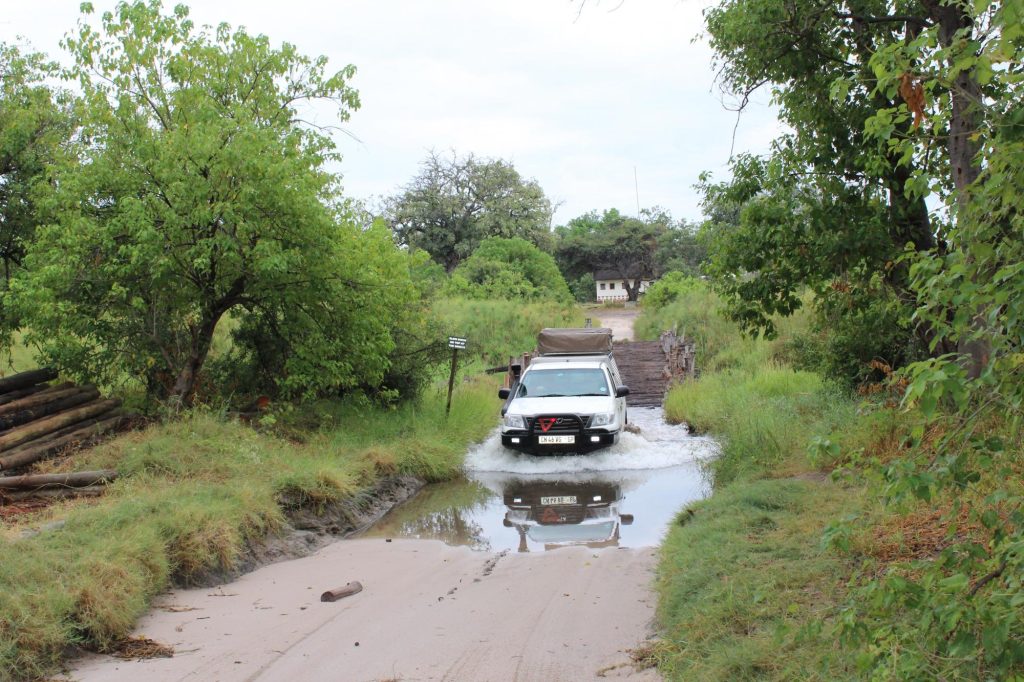
A properly equipped 4×4 is required for any Botswana self-drive safari reaching Moremi, Chobe or the Central Kalahari, with rental vehicles typically Toyota Land Cruisers or Hiluxes fitted with rooftop tents, a fridge, long-range fuel tanks and recovery gear. Maun is the main rental hub, with depots also in Kasane, Gaborone and Francistown. Botswana is a southern African safari country where deep sand tracks, long distances between fuel and no recovery service make vehicle choice a safety decision rather than a comfort one.
Do You Need a 4×4 for a Botswana Safari
The answer splits cleanly by where you are going, and getting it wrong is expensive.
Main tar roads connecting Gaborone, Francistown, Maun and Kasane are good and drivable in an ordinary car. Travellers have covered the A1, A14 and A33 in a saloon without difficulty, though with a caution about potholes on certain stretches.
Everything else needs a 4×4. Moremi, Chobe, the Central Kalahari, Makgadikgadi, Nxai Pan and Savuti are all deep sand or rough track, and the roads inside Chobe in particular behave like driving through sand dunes in the dry season. A two-wheel drive vehicle will bog down within metres, and there is no roadside assistance to call.
The distinction matters for insurance too. Rental agreements are voided by taking an unsuitable vehicle into terrain it was not hired for, so tell the rental company exactly where you are going.
What a Botswana Self-Drive Rental Includes
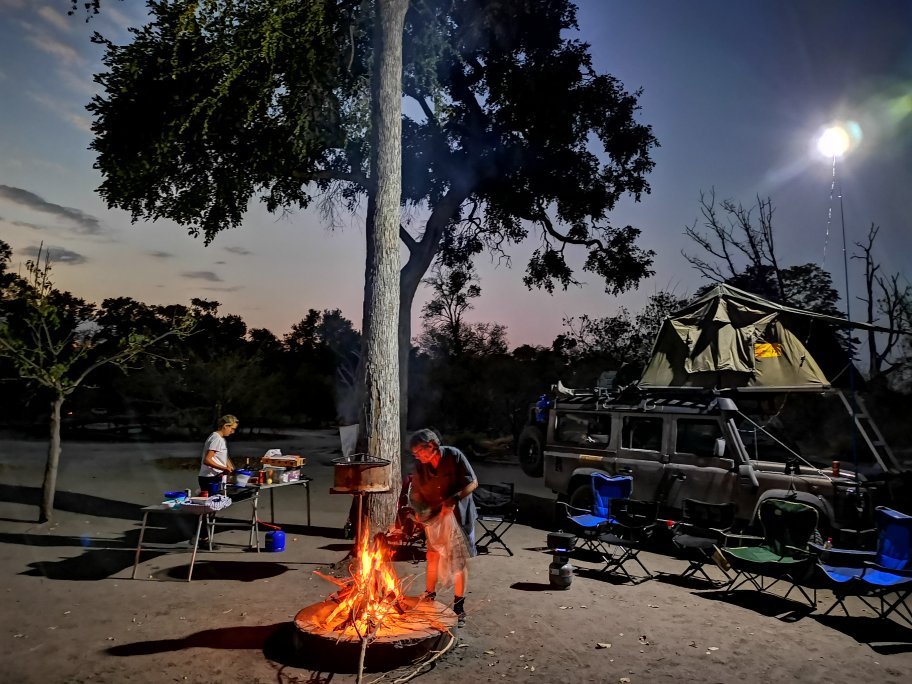
Fully equipped is the standard offering here, and it means considerably more than a vehicle with high clearance.
Expect a rooftop tent, single or double depending on party size, with mattresses and bedding. A dual-battery system running an onboard fridge or freezer. A gas bottle and cooking equipment, plates, cutlery, camping table and chairs. A water tank, commonly around 45 litres. Jerry cans for extra fuel, often 20 litres and sometimes supplied on request rather than as standard.
Recovery gear should include at minimum a shovel and a tow rope, along with a compressor or foot pump for reinflating tyres after sand driving, and two spare wheels rather than one.
Rates from established operators commonly include unlimited kilometres, insurance and in-country breakdown support. Airport pickup and drop-off at Maun is standard.
What you supply is clothing, food and your camera. Some operators offer provisioning, and Maun has supermarkets adequate for stocking a two-week trip.
Check the recovery kit item by item at handover rather than assuming. A shovel, a decent tow rope, a compressor and two inflated spares are what stand between a stuck vehicle and a very long wait. Photograph everything and note any existing damage before you drive away.
Where to Hire a 4×4 in Botswana
Maun is the principal hub and the sensible starting point for most self-drive itineraries, since it puts you within reach of Moremi, the Kalahari and the pans, and it is where the widest choice of operators sits.
Kasane serves the Chobe end and works well for a trip running north to south. Gaborone and Francistown have depots too, useful for anyone entering overland from South Africa.
One-way rentals are offered by several companies across the main towns, and some will deliver or collect vehicles elsewhere in the country for a relocation fee. That flexibility is worth asking about, because a one-way Maun to Kasane route avoids a long backtrack.
Cross-border hire is common, with many Botswana operators permitting travel into Namibia, Zambia, Zimbabwe and South Africa. Confirm this at booking, since you need the rental company’s written authorisation to cross and the paperwork must name the countries and dates.
Choosing the Right Vehicle for Your Route
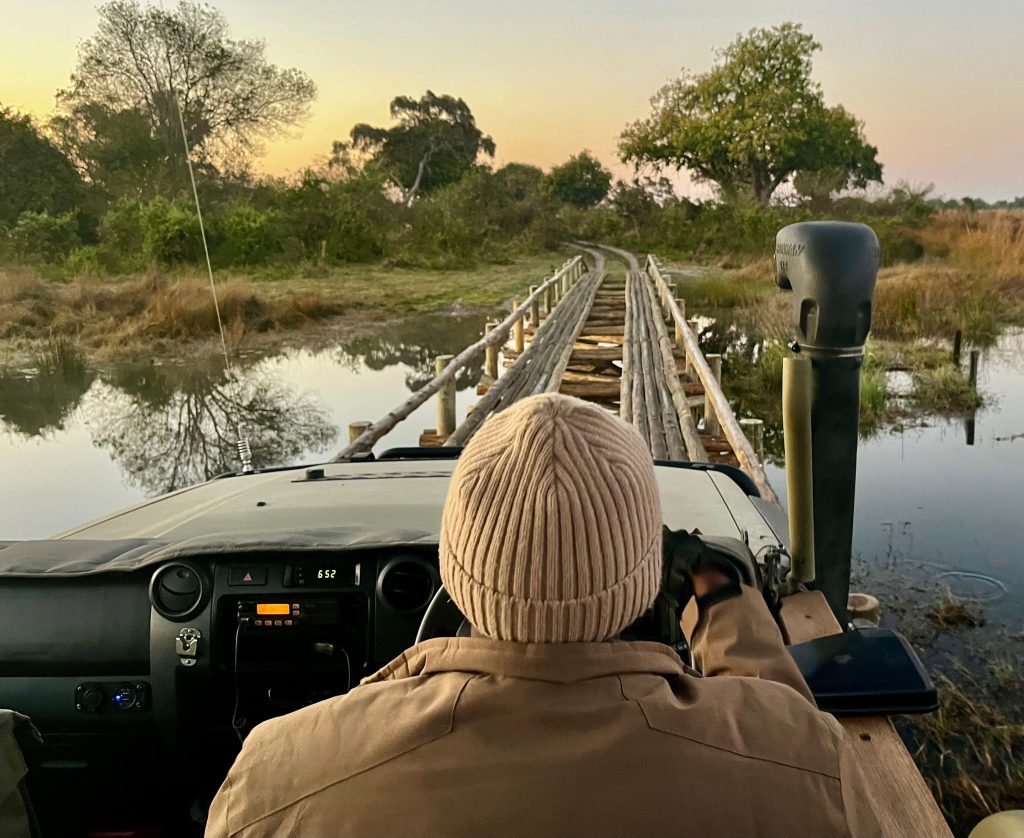
Toyota Land Cruisers and Hiluxes dominate the Botswana rental fleet for good reason, being the vehicles local mechanics know and local parts suit. Fortuners appear too, and Land Rovers less commonly than they once did.
For two people, a single-cab or double-cab with one rooftop tent is ample. Families and groups of four need a double rooftop tent or two vehicles, and a game-viewing configuration with open sides and a canvas canopy can seat six plus a driver.
Dual fuel tanks matter more than most first-timers realise, and the reason is the map rather than the vehicle. Long-range capability turns a nervous fuel calculation into a non-issue.
Ground clearance matters in Moremi where water crossings exist. Ask about the manufacturer’s stated wading depth, which on most rental vehicles is around the top of the wheels rather than the bonnet.
Two other things separate a good rental from a cheap one. A second spare wheel, because corrugated gravel and thorn punctures are routine and one spare on a three-day Kalahari loop is not enough. And a working compressor, since sand driving means deflating tyres to widen the footprint and you cannot get back onto tar without reinflating them. Operators who supply both without being asked tend to be the ones who know what their vehicles are used for.
Ordinary car works. Tar roads between Gaborone, Francistown, Maun and Kasane. Town driving. Reaching Maun or Kasane to start a fly-in safari.
4×4 required. Moremi, Chobe, Savuti, Linyanti, Central Kalahari, Makgadikgadi, Nxai Pan, Khutse and any campsite inside a national park. All deep sand or rough track.
Fully equipped 4×4. Any trip camping inside the parks, where you need the rooftop tent, fridge, water tank, extra fuel and recovery gear because none of it exists where you are going.
Insurance and Excess on a Botswana 4×4 Rental
Read the insurance terms properly before signing, because self-drive Botswana is where rental excess becomes real rather than theoretical.
Standard cover carries an excess that operators commonly set in the range of several thousand to fifteen thousand Pula, payable by you before any claim. Excess reduction waivers are usually available at a daily supplement and are worth taking on a trip involving deep sand and water crossings.
Check what is excluded. Tyre and windscreen damage is frequently outside standard cover and is precisely what corrugated gravel produces. Water damage from a failed river crossing is almost always excluded entirely, as is damage from driving after dark in some agreements.
Your own travel insurance may exclude driving on unsurfaced roads, which would cover every route worth taking here, so check that policy separately.
Cross-border travel needs the insurance extended to cover the countries you enter, alongside the compulsory third-party cover bought at each border.
Booking a Self-Drive Vehicle in Botswana
Book early for the dry season. Vehicles are finite, June through September is peak, and the good operators run out.
Alongside the vehicle, you need campsite bookings confirmed before you travel, since public campsites inside the parks have to be reserved in advance and park entry cannot always be arranged at the gate. Entry has been refused for incorrect paperwork, and a booking error at a remote gate after a long drive is a poor outcome.
Several operators consolidate the whole package, handling vehicle, campsites, park permits and route planning together, which for a first Botswana self-drive is worth the small premium.
Ask about in-country support before booking. Established operators run breakdown services and can talk you through a problem by phone, and knowing there is a number that answers changes how a mechanical fault in the Kalahari feels.
Frequently Asked Questions About 4×4 Hire in Botswana
How much does 4×4 hire cost in Botswana?
Fully equipped 4×4 rentals start from around 110 US dollars per day at the lower end, with typical camping-equipped Land Cruisers and Hiluxes running higher depending on season, party size and equipment level. Rates from established operators commonly include unlimited kilometres, insurance and breakdown support. Budget separately for fuel across long distances, park entry at 120 Pula per person per day for non-residents, and campsite fees. Peak dry season rates run above green season, and vehicles book out months ahead for June to September.
Do I need a 4×4 to drive in Botswana?
Only for certain areas, though those areas are the reason most people come. Tar roads between Gaborone, Francistown, Maun and Kasane are fine in an ordinary car. Moremi, Chobe, the Central Kalahari, Makgadikgadi, Nxai Pan and Savuti all need a proper 4×4, since the tracks are deep sand that will bog a two-wheel drive within metres. Tell your rental company exactly where you are heading, since taking an unsuitable vehicle off-road voids the agreement.
What equipment comes with a Botswana camping 4×4?
Typically a rooftop tent with mattresses and bedding, a dual-battery system with onboard fridge, gas bottle and cooking equipment, plates and cutlery, camping table and chairs, a water tank around 45 litres, jerry cans for extra fuel, and recovery gear including a shovel and tow rope. Two spare wheels and a compressor for reinflating after sand driving should be included. Check each item at handover rather than assuming, and photograph existing damage before leaving.
Can I take a rental car across the border from Botswana?
Usually yes, with the rental company’s written authorisation naming the countries and travel dates. Many Botswana operators permit travel into Namibia, Zambia, Zimbabwe and South Africa. You need that letter signed by a Commissioner of Oaths, the vehicle registration papers, and often a police affidavit. At the border you buy compulsory third-party insurance and a temporary import permit. Confirm all of it at booking, since a missing letter stops you at the barrier.
What insurance do I need for a Botswana self-drive?
The rental includes basic cover with an excess commonly running to several thousand Pula and sometimes as high as fifteen thousand, payable by you before any claim. Excess reduction is worth the daily supplement given the terrain. Check exclusions carefully: tyre and windscreen damage often falls outside standard cover, water damage from river crossings is almost always excluded, and some agreements exclude night driving. Check separately whether your travel insurance covers driving on unsurfaced roads.
Where is the best place to hire a 4×4 in Botswana?
Maun, for most itineraries. It has the widest choice of operators and sits within reach of Moremi, the Central Kalahari and the pans. Kasane suits trips starting at Chobe, and Gaborone and Francistown serve travellers entering overland from South Africa. One-way rentals between towns are offered by several companies, sometimes with a relocation fee, and a one-way Maun to Kasane route saves a substantial backtrack across the country.
Booking Your Botswana Trip
The safari companies and tour operators listed on this website put trips like this together for a living and know which camps, guides and routes actually deliver. We are an independent guide to Botswana; we do not book or sell tours ourselves.
When you are ready, arrange your safari, tour or holiday with one of the recognised operators listed here. Tell them your dates and what matters most, and a real person, not a form, will handle the itinerary, park bookings and logistics for you.