Lions in Botswana
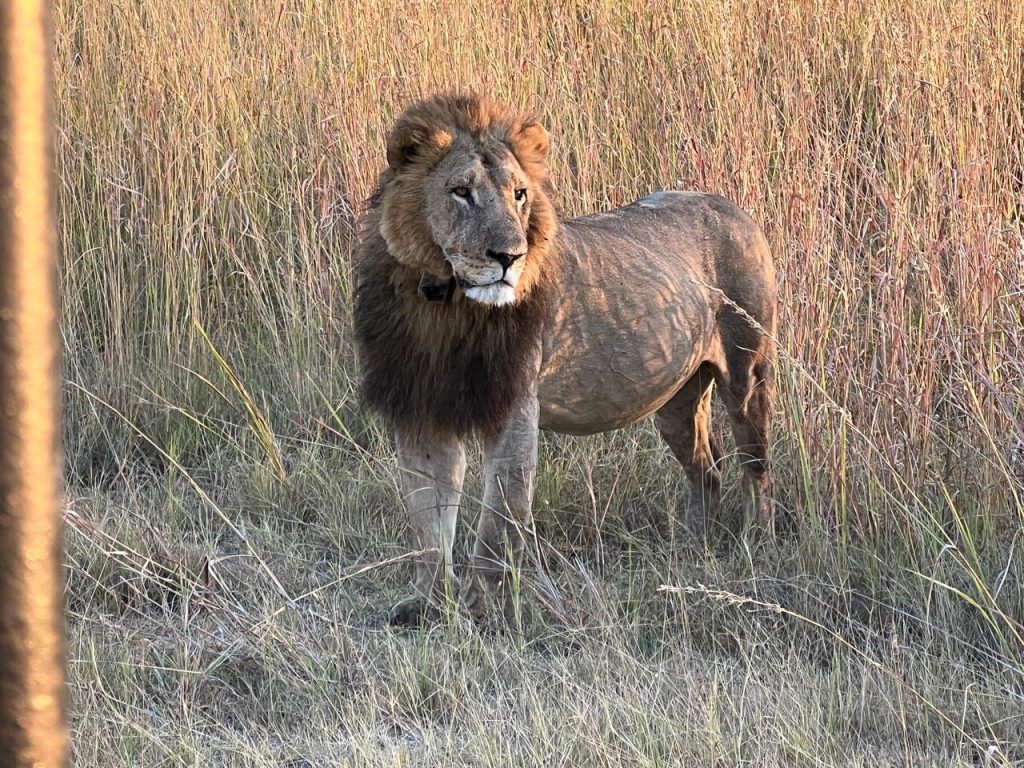
Lions in Botswana take a wider range of large prey than anywhere else in Africa, with prides that hunt buffalo in the Okavango floodwaters, others that learned to kill adult elephants at Savuti, and the black-maned lions of the Kalahari that can go months without drinking. Prides within a hundred kilometres of each other behave in completely different ways. September and October are the strongest months, when surface water disappears and prey concentrates.
Why Botswana’s Lions Are Unusual
The variation between populations here is what sets the country apart, and it comes down to habitat.
Botswana holds wetland, riverine forest, mopane woodland, open floodplain, salt pan and semi-arid desert, all within a few hundred kilometres. Lions have adapted separately to each, and the differences are visible.
Pride sizes vary enormously by region. Prides in the Central Kalahari run smaller than those in the Okavango and the northern wilderness areas, because prey is thinner and more widely spread so a large group cannot be sustained.
Home ranges vary with it. Kalahari prides cover far more ground than northern ones for the same reason.
Prey species vary most of all. Botswana’s lions have the widest range of large prey of anywhere on the continent, from buffalo and hippo through to adult elephant, with different prides specialising in different things.
There are prides within a hundred kilometres of each other in Botswana that display opposite extremes of behaviour, particularly around feeding and drinking. That variation is the real story of lions here.
The Black-Maned Lions of the Kalahari

The desert lions are the ones people travel for and they are genuinely distinct.
Kalahari lions carry dark, sometimes almost black manes, and they are leaner than northern lions with notable stamina. They are built for covering distance across open country where prey is scattered.
The adaptation that stands out is water. Lions in the drier central Kalahari can go without drinking for months at a time, taking their moisture from what they eat. That is not a small thing for an animal of that size.
Prides are smaller and territories much larger than in the north, and sightings take patience rather than arriving on schedule.
The Central Kalahari Game Reserve is the main area, with Khutse to its south and the Kgalagadi Transfrontier Park in the far southwest, which is frequently named the best place anywhere for black-maned lions.
Watching a Kalahari pride against an empty horizon is a different experience from a sighting in dense bush, and visitors describe it in almost reverent terms.
The Elephant Hunters of Savuti
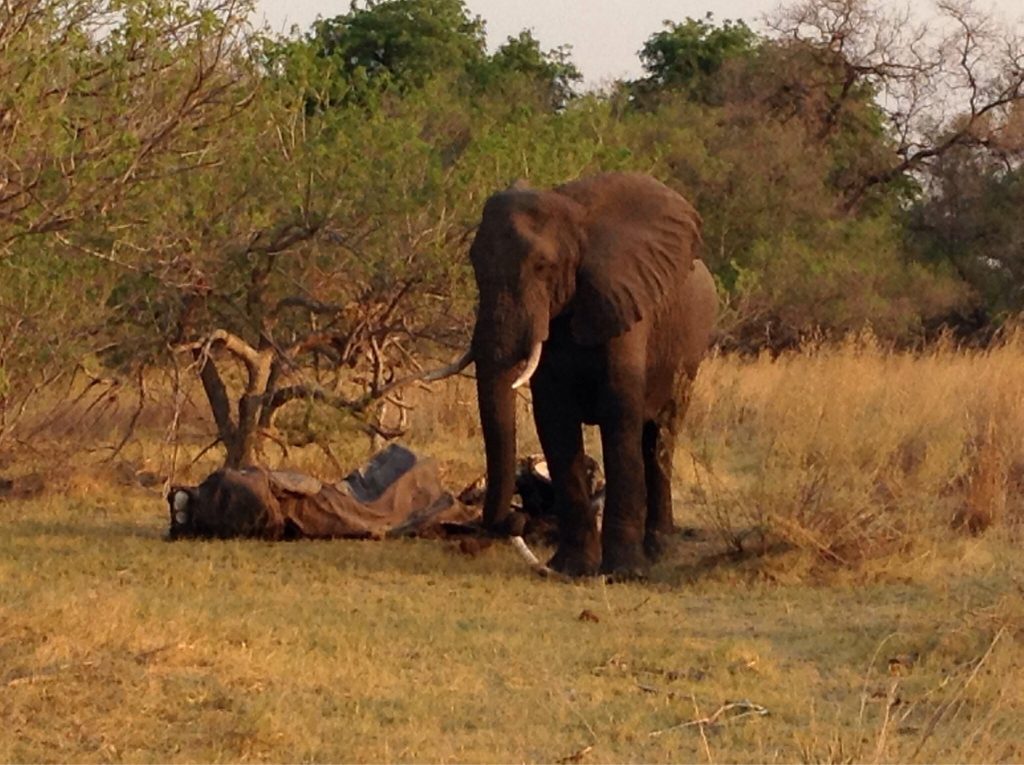
The most striking lion behaviour recorded in Botswana happened here, and it has a clear cause.
When the Savuti Channel dried in the early eighties the marsh dried with it, and ungulate numbers collapsed. A pride that grew to somewhere around thirty to thirty-two individuals faced a food supply that had largely disappeared.
What they turned to was elephant. Working as a team, the pride learned to bring down adolescent and sometimes adult elephants, and estimates suggest they killed something in the region of seventy elephants over a three-year period.
Elephants had long been considered beyond predation except as calves, so this was behaviour that changed what researchers thought lions were capable of.
When the channel began flowing again the ecosystem changed, easier prey returned, and the mega-pride broke into smaller groups. The elephant hunting has largely stopped, though it still occurs occasionally.
Savuti remains one of Botswana’s strongest predator areas, with high spotted hyena numbers alongside the lions and a long-documented rivalry between the two.
The Buffalo Prides of Duba
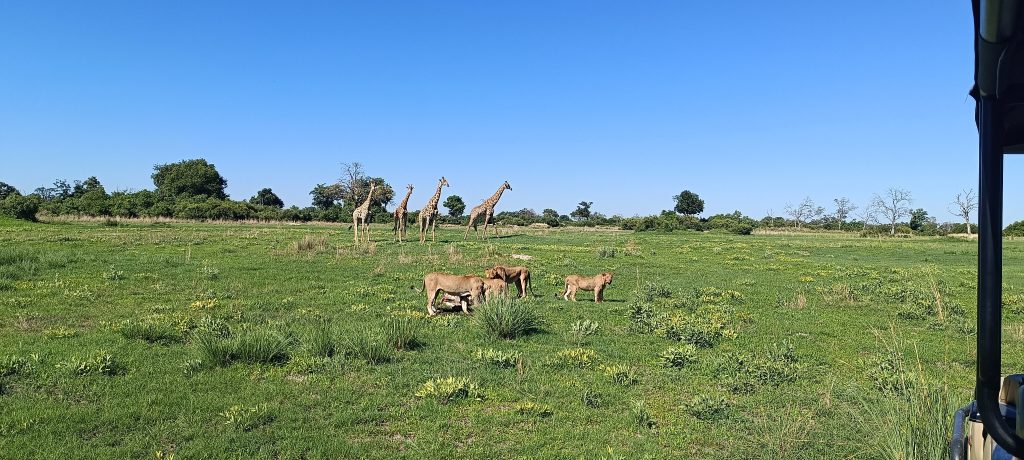
The other famous population sits in the northern Okavango and behaves differently again.
Two prides in the Duba Plains area prey almost exclusively on the large buffalo herds that share the floodplains with them, in what has been described as a continual running battle between the two.
Two adaptations follow from that. These lions hunt during the day, which is unusual since most lions hunt at night, because the buffalo herd’s movements dictate the timing rather than the sun.
And they hunt in water. Okavango lions negotiate channels and floodplains to follow prey between islands, and their front quarters are more developed than other lions as a result of that swimming and wading.
The biggest lions in Africa are sometimes said to be found on the Duba Plains, sustained by permanent water and nutritious grasses that support large buffalo herds year round.
Mombo in Moremi is the other outstanding predator area, with excellent populations of all the big predators alongside buffalo, elephant and both rhino species.
Kalahari lions. Dark manes, leaner build, smaller prides, huge territories, able to go months without drinking. Central Kalahari, Khutse and Kgalagadi. Best in the green months from December to April.
Delta lions. Large prides, water-adapted with stronger forequarters from swimming, buffalo specialists at Duba hunting by day. Moremi, Mombo and the northern concessions. Best September and October.
Savuti and Linyanti lions. Historic elephant hunters, high hyena numbers and documented rivalry between the two. Mababe prides hunt actively through the day. Best in the dry months from May to October.
Where to See Lions in Botswana
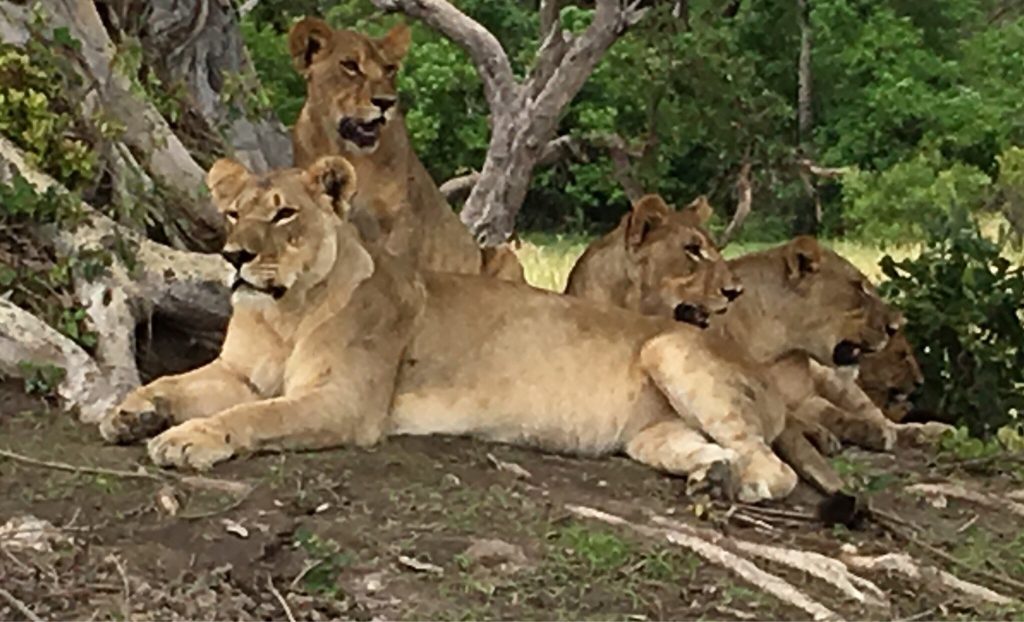
Lion viewing is strong across the country and the areas offer different things.
Moremi and Mombo deliver the most consistent big cat viewing in Botswana, with high prey density supporting large prides.
Savuti is renowned for predator sightings, with the open marsh giving excellent visibility and long viewing opportunities.
Linyanti and Kwando hold several large prides along the water courses, on concessions where off-road driving lets a guide follow them.
Khwai and the community areas beside Moremi have strong prides and permit night drives, which the reserve does not.
The Mababe Marsh is a wildlife corridor where lions are seen daily and buffalo mega-herds exceed two thousand animals in the dry season.
The Central Kalahari and Kgalagadi for the black-maned desert lions, on a completely different calendar.
When to See Lions
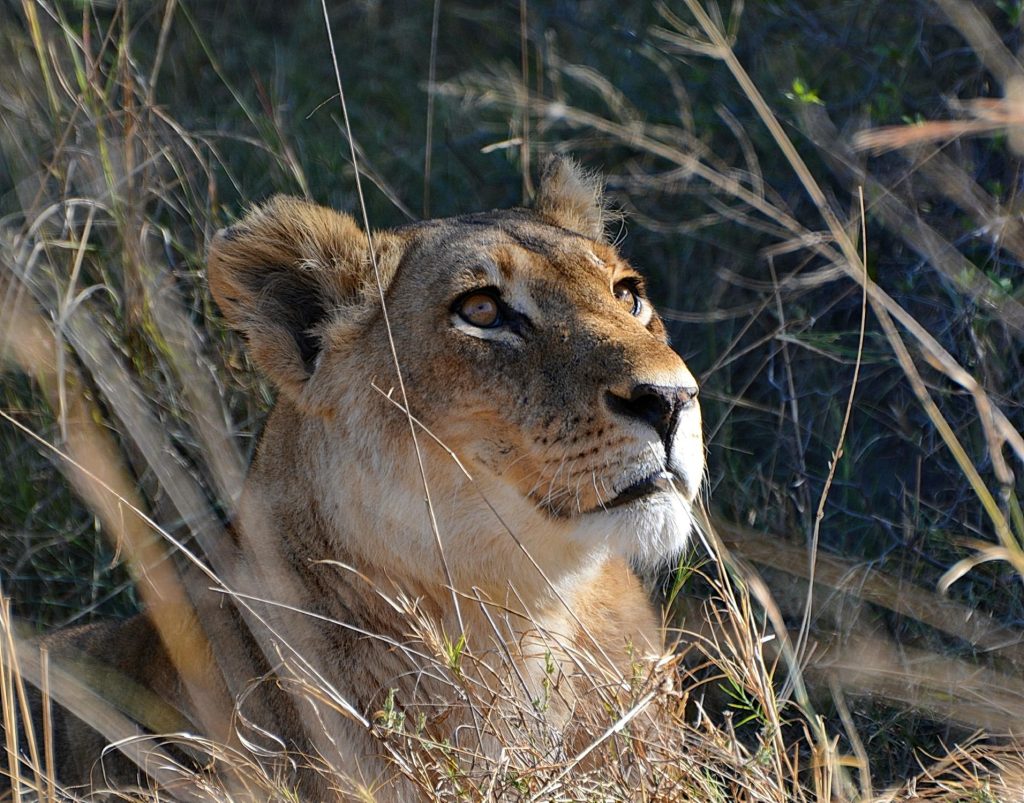
The timing splits by region, which is the recurring theme of Botswana wildlife.
In the north, September and October are the strongest months. Surface water elsewhere has gone, herbivores are pinned to the permanent rivers and channels, and the bush has thinned to the point where a lion is visible at distance rather than at close range.
The dry season from May to October is good throughout, with viewing improving as it progresses and October delivering the most concentrated game alongside serious heat.
In the Kalahari the calendar inverts. December through April is the peak, when rain greens the fossil valleys and pulls back prey that has been widely dispersed, so the predators concentrate with them.
Time of day matters as much as season. Most lions hunt at night, so early morning drives catch them still active, and night drives on concessions show them working rather than sleeping.
The Duba prides are the exception, hunting in daylight because their buffalo prey sets the schedule.
If lions are the priority, book a concession rather than a park camp. Off-road driving lets a guide follow a pride away from the track, and night drives show them hunting rather than resting, neither of which Moremi or Chobe can legally offer.
Lion Conservation in Botswana
Botswana holds one of Africa’s more secure lion populations and it is not without pressure.
The main threat is conflict with livestock owners on the edges of the protected areas, which is a persistent management problem, particularly around Khutse and the boundaries of the Kalahari reserves.
Lions that take cattle get killed in retaliation, and resolving that means compensation schemes, predator-proof enclosures and community involvement rather than fences alone.
The unfenced nature of Botswana’s protected areas cuts both ways. It allows genuine ecosystem function and free movement, and it puts lions and people in contact at the margins.
Hunting policy has shifted more than once in recent years and remains contested.
Wildlife tourism gives lions a direct economic value to the country, which is the strongest argument for their protection in a place where they cause real losses to rural livelihoods.
Frequently Asked Questions About Lions in Botswana
Where is the best place to see lions in Botswana?
Moremi and the Mombo area deliver the most consistent big cat viewing in the country, with high prey density supporting large prides. Savuti is renowned for predators, with open marsh giving excellent visibility. Linyanti and Kwando hold several large prides on concessions where off-road driving is permitted. For black-maned desert lions, the Central Kalahari, Khutse and the Kgalagadi Transfrontier Park are the areas, on an inverted calendar.
What are black-maned Kalahari lions?
Desert-adapted lions carrying dark, sometimes almost black manes, leaner than northern lions and built for covering distance across open country where prey is scattered. The striking adaptation is water: lions in the drier central Kalahari can go months without drinking, taking moisture from what they eat. Prides are smaller and territories far larger than in the north, which means sightings take patience rather than arriving on schedule.
Do lions really hunt elephants in Botswana?
They did, and occasionally still do. When the Savuti Channel dried in the early eighties, ungulate numbers collapsed and a pride that grew to around thirty individuals learned to bring down adolescent and sometimes adult elephants as a team, with estimates of roughly seventy elephants killed over three years. When the channel began flowing again, easier prey returned and the mega-pride split into smaller groups, and the elephant hunting has largely stopped.
When is the best time to see lions in Botswana?
September and October in the north, when surface water elsewhere has gone, herbivores are pinned to permanent rivers and the bush has thinned enough to see a lion at distance. The dry season from May to October is good throughout and improves as it progresses. In the Kalahari the calendar inverts, with December to April the peak as rain greens the fossil valleys and prey concentrates. Early morning drives and night drives catch lions active.
What makes Okavango Delta lions different?
Water. Delta lions negotiate channels and floodplains to follow prey between islands, and their front quarters are more developed than other lions as a result of swimming and wading. Two prides in the Duba Plains area prey almost exclusively on large buffalo herds and hunt during the day rather than at night, because the herd’s movements set the timing. The biggest lions in Africa are sometimes said to be found there.
Are lions endangered in Botswana?
Botswana holds one of Africa’s more secure lion populations, though it faces genuine pressure. The main threat is conflict with livestock owners on the edges of protected areas, particularly around Khutse and the Kalahari reserve boundaries, where lions taking cattle are killed in retaliation. Botswana’s protected areas are unfenced, which allows real ecosystem function and free movement while also putting lions and people in contact at the margins.
Booking Your Botswana Trip
The safari companies and tour operators listed on this website put trips like this together for a living and know which camps, guides and routes actually deliver. We are an independent guide to Botswana; we do not book or sell tours ourselves.
When you are ready, arrange your safari, tour or holiday with one of the recognised operators listed here. Tell them your dates and what matters most, and a real person, not a form, will handle the itinerary, park bookings and logistics for you.