Local Drinks in Botswana
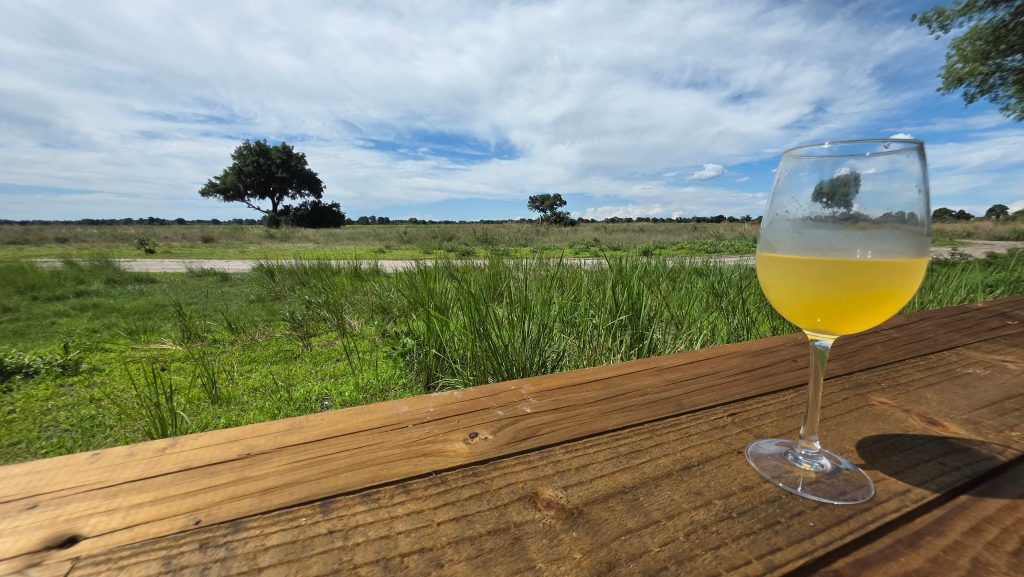
Botswana’s drinking culture runs on two tracks: commercial lagers led by St Louis, brewed in Gaborone, and traditional sorghum brews including bojalwa ja Setswana and the packaged version known as chibuku. Non-alcoholic options include gemere ginger beer and mageu, a smooth drink made from porridge. Botswana is a southern African country where safari camp rates include most drinks, so the interesting local ones are found in towns, villages and at community gatherings rather than at a camp bar.
St Louis and Commercial Beer in Botswana
St Louis Lager is the national beer and the one you will meet everywhere, brewed in Gaborone by Kgalagadi Breweries. It is light, easy drinking and suited to a hot afternoon, which is most afternoons here. St Louis Export sits alongside it as a stronger variant.
Kgalagadi Breweries dominates the sector, producing lagers, traditional beers, bottled water and soft drinks under licence, and operating sorghum breweries alongside its main plant.
South African brands are widely available too, and the familiar regional lagers turn up in most bars and bottle stores.
Botswana’s craft beer scene is minimal, which is worth knowing if you were hoping for one. The country’s brewing energy has gone into commercial lager and traditional sorghum brewing rather than small-batch experimentation.
One thing to expect: alcohol carries a substantial government levy in Botswana, introduced to reduce consumption, which makes drinking noticeably more expensive than in neighbouring countries.
Bojalwa ja Setswana and Traditional Sorghum Beer
The traditional beer of Botswana is bojalwa ja Setswana, brewed from fermented sorghum seeds. Some communities, including the Bakalanga, use millet instead, known as lebelebele.
It is a home-brewed drink rather than a commercial one, made in villages and shared at weddings, funerals, cultural ceremonies and community gatherings. Fermentation gives it a kick and a sour edge, and it is cloudy rather than clear, which is why sorghum beers across Africa are described as opaque.
Visitors will rarely meet it in a bar. Where you might is at a cultural village visit, a community event, or if you are invited into a home, and accepting a cup when offered is a courtesy worth extending.
Khadi is another traditional brew found in Botswana, made from wild fruits and roots.
These drinks carry real cultural weight, sitting at the centre of ceremonies rather than functioning simply as refreshment.
If you are offered traditional beer at a village visit, take it with both hands or with the right hand supported at the wrist, and drink a little before passing it on. Refusing outright reads as a rebuff, and a small sip is entirely acceptable.
Chibuku and Shake-Shake Beer
Chibuku is the commercial version of traditional African sorghum beer, and it is one of the more interesting things a visitor can try.
It is brewed from malted sorghum and maize, sometimes with millet, and sold in cartons that look like milk containers or in brown plastic bottles with a wide blue lid. Alcohol content runs somewhere between three and four and a half percent.
The nickname is shake-shake, because sediment settles at the bottom of the container and you shake it vigorously before drinking to mix it back in. The taste is thick, sour, slightly sweet and distinctly yeasty, with a lemony tang cutting through. It is genuinely unlike any beer most visitors will have met.
Chibuku is popular in rural areas and small towns and is cheap, which has given it a class association: it is often the choice of drinkers who cannot afford bottled lager. That said, plenty of middle-class Batswana drink it by preference for the taste.
Botswana Breweries has brewed chibuku in the country for decades, with the operation now part of Kgalagadi Breweries.
Gemere, Mageu and Non-Alcoholic Drinks
Two traditional non-alcoholic drinks are worth seeking out, and both are more interesting than the imported soft drinks that sit beside them.
Gemere is homemade ginger beer, fizzy, sweet and spicy, made from ginger powder and left to ferment for a day or two. It is served at weddings, social events and family gatherings, and on a hot afternoon it is better than anything from a bottle.
Mageu is made from leftover porridge mixed with water, producing a smooth, thick, mildly sour drink that is nutritious and easy to swallow. It is traditionally given to people who are unwell for exactly that reason, and it functions as a filling drink between meals.
Beyond these, homemade beverages are made from indigenous fruits including marula and from watermelon, which is believed to have originated in this part of Africa and grows plentifully in season.
Morula tea, made from the fruit of the marula tree, is sweet and worth trying where you find it.
Commercial. St Louis Lager and St Louis Export brewed in Gaborone, plus South African brands. Widely available, familiar, and carrying a substantial alcohol levy that pushes prices above neighbouring countries.
Traditional alcoholic. Bojalwa ja Setswana from fermented sorghum, millet versions, khadi from wild fruits and roots, and chibuku as the packaged shake-shake version. Cloudy, sour and culturally central.
Non-alcoholic. Gemere ginger beer, mageu made from porridge, marula and watermelon drinks, morula tea, and locally produced fruit juices alongside the usual international soft drinks.
Wine and Spirits in Botswana
Botswana does not produce wine, and what you drink here comes from South Africa, which is no hardship at all given how good and how affordable South African wine is.
Supermarkets and bottle stores in Gaborone, Maun and Kasane carry a decent range. Safari camps usually include house wines in the all-inclusive rate, with premium and imported bottles charged separately, so check where the line falls if wine matters to you.
Spirits follow the same pattern. Local-brand spirits are usually covered by camp rates and imported premium labels are not.
Amarula, the cream liqueur made from marula fruit, is produced in South Africa but drinks like a regional speciality and turns up on most camp bars. It is the natural thing to order at a sundowner if the beer is not appealing.
Bottle stores keep restricted trading hours under Botswana’s alcohol regulations, and buying on a Sunday can be difficult, so plan ahead if you are self-catering.
One practical note for self-drive travellers: alcohol cannot be bought inside the national parks, since there are no shops of any kind there. Whatever you want for a fire at Third Bridge or Savuti has to be bought in Maun or Kasane and carried in, along with everything else. Glass is worth avoiding in favour of cans, which pack better, survive corrugated tracks and are easier to carry out again.
Drinks on a Botswana Safari
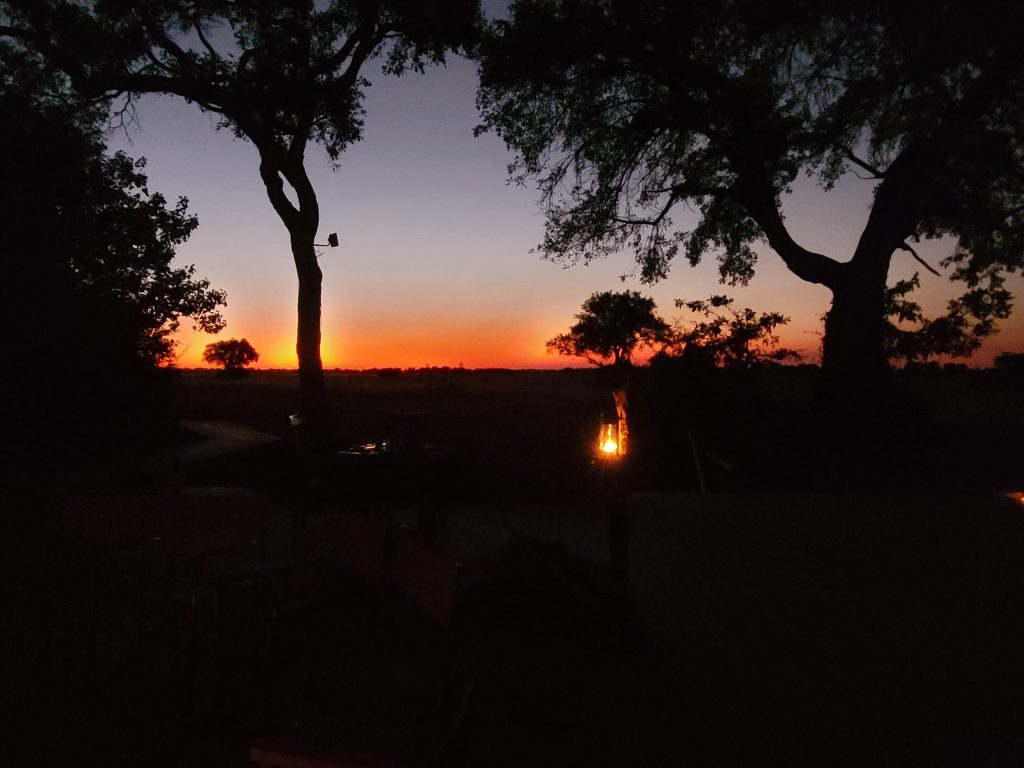
What you actually drink on safari follows the all-inclusive model rather than local tradition.
Camp rates normally cover all soft drinks, local-brand beers, house wines and local spirits, with premium imports charged extra. Water is provided throughout, filtered or bottled, and most camps now supply a refillable bottle rather than single-use plastic.
The sundowner is the fixed ritual: the vehicle stops somewhere open at the end of the afternoon drive, a table comes out of the back, and you have a drink while the light goes. Gin and tonic is the traditional choice for historical reasons involving quinine, though a cold St Louis works as well.
Hydration matters more than the drinks list. October afternoons average near 37°C in Maun with humidity between 20 and 40 percent, so fluid loss goes unnoticed. Drink far more water than thirst suggests, and treat an afternoon headache as dehydration first.
Raising a glass and saying pula at a sundowner is the local toast. It means rain, and in a country that is 70 percent Kalahari, it is the best thing anybody could wish for.
Frequently Asked Questions About Drinks in Botswana
What is the national drink of Botswana?
St Louis Lager is the national beer, brewed in Gaborone by Kgalagadi Breweries, light and widely drunk across the country. On the traditional side, bojalwa ja Setswana, brewed from fermented sorghum, is the drink with the deepest cultural roots, made in villages and shared at weddings and ceremonies. Chibuku is the commercially packaged version of that tradition, made from malted sorghum and maize at around three to four and a half percent alcohol.
What is chibuku shake-shake?
A commercial sorghum beer sold in milk-carton-style packaging or brown plastic bottles with a blue lid. The name comes from the need to shake the container vigorously before drinking, because sediment settles at the bottom. It is thick, opaque, sour and slightly sweet with a yeasty flavour and lemony tang. It is inexpensive and popular in rural areas and small towns, carrying some class association, though plenty of people drink it for the taste.
Is alcohol expensive in Botswana?
More expensive than in neighbouring countries, because the government applies a substantial alcohol levy intended to reduce consumption. Bottle stores also operate restricted trading hours under Botswana’s alcohol regulations, and buying on a Sunday can be difficult, which matters for self-catering travellers. On safari this is largely irrelevant, since camp rates typically include local beers, house wines and local spirits, with imported premium labels charged separately.
Are drinks included at Botswana safari camps?
Usually yes. Standard all-inclusive rates cover soft drinks, local-brand beers, house wines and local spirits, along with filtered or bottled water throughout, and many camps now provide a refillable bottle. Premium and imported wines and spirits are commonly charged separately, and the line varies between operators. Ask for written confirmation of what a quoted rate covers, since this is one of the areas where all-inclusive is used loosely.
What non-alcoholic drinks should I try in Botswana?
Gemere, a homemade ginger beer that is fizzy, sweet and spicy, fermented for a day or two and served at weddings and social gatherings. Mageu, made from leftover porridge and water, is smooth, thick and mildly sour, traditionally given to people who are unwell because it is nutritious and easy to consume. Morula tea from the marula fruit is sweet and worth trying, and homemade drinks are also made from watermelon, which is thought to have originated in this region.
Can I drink the tap water in Botswana?
In Gaborone, Maun, Kasane and other towns the treated municipal supply is broadly considered safe. Safari camps provide filtered or bottled drinking water as standard. Village and borehole supplies in remote areas are less predictable, so use bottled or treated water there, including for brushing teeth. Hydration matters more than most visitors expect, since dry season humidity of 20 to 40 percent means you lose fluid without noticing it as sweat.
Booking Your Botswana Trip
The safari companies and tour operators listed on this website put trips like this together for a living and know which camps, guides and routes actually deliver. We are an independent guide to Botswana; we do not book or sell tours ourselves.
When you are ready, arrange your safari, tour or holiday with one of the recognised operators listed here. Tell them your dates and what matters most, and a real person, not a form, will handle the itinerary, park bookings and logistics for you.