3-Day Botswana Safari
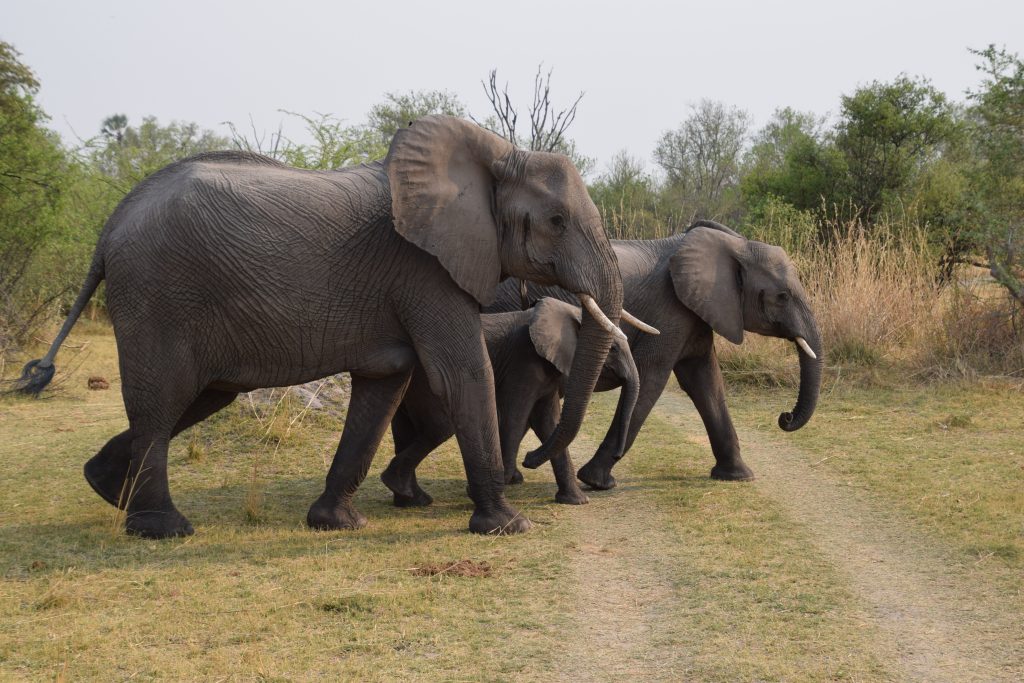
A 3-day Botswana safari works best in one area rather than two, and Chobe from Kasane is the strongest option because it needs no internal charter flight and delivers Africa’s densest elephant population within minutes of the airport. The Okavango Delta is possible in three days by light aircraft, and a mokoro trail from Maun is the budget alternative. Botswana is a southern African safari country where transfers eat time, so a short trip rewards staying put.
What Three Days in Botswana Realistically Gives You
Be clear about the arithmetic before booking, because it shapes every other decision.
A three-day trip is really one full day plus two partial ones. You arrive on day one, usually around the middle of the day, and the afternoon is your first activity. Day two is the only complete day. Day three gives you a morning activity before departure.
That means two mornings, two afternoons and one full night’s sleep before your first proper drive. It is enough for genuinely good wildlife viewing in the right place, and nowhere near enough to move between areas.
The single biggest mistake on a short Botswana trip is splitting it. Two camps at a night and a half each means half your time in transfers, waiting at airstrips and repacking. One camp for three nights gives you four activities and a guide who learns what you want by the second drive.
On a three-day safari, every internal flight costs you roughly half a day. Choose one area, stay put, and let the guide do the moving instead of you.
Chobe National Park: The Best Three-Day Safari in Botswana
For a short trip, Chobe is the answer and the reasons are practical rather than sentimental.
Kasane airport sits minutes from the Sedudu Gate, so you land and can be on a game drive the same morning with no charter flight, no soft-bag weight limit and no airstrip waiting. It is the only major Botswana safari destination reachable this way, which is why it is also the cheapest.
What you get for those three days is exceptional. Chobe carries the highest elephant density in Africa, drawn from a national population estimated near 130,000, and the riverfront is where they come to drink. Several hundred elephants along one stretch of bank in an afternoon is a normal day rather than a lucky one.
The park runs to about 11,700 square kilometres and the riverfront section also holds buffalo in large numbers, with lion following them, alongside hippo, crocodile and heavy birdlife.
Boat safaris are what set Chobe apart and they suit a short trip perfectly, since you are level with drinking elephants and surfacing hippos within twenty minutes of leaving the jetty.
Day One: Arrival at Kasane and an Afternoon on the River
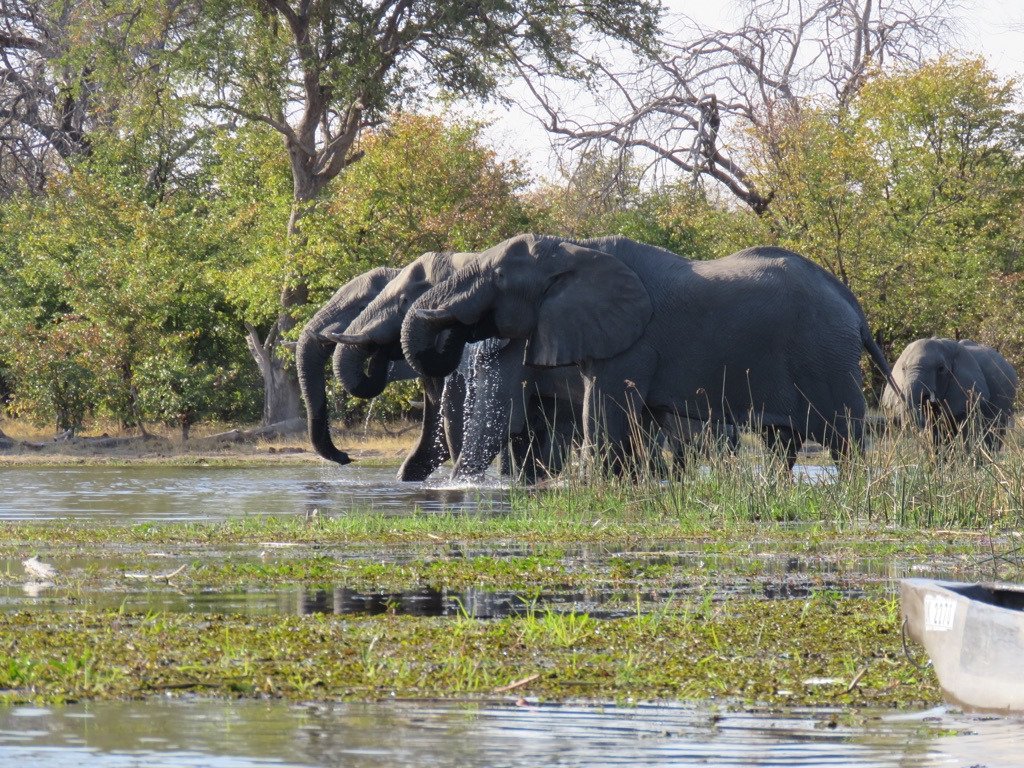
Fly into Kasane, clear immigration and pay the Tourism Development Levy, then take a short road transfer to your lodge. Riverfront properties are mostly within a 45-minute drive and many are far closer.
Take the afternoon boat safari. It is the right first activity because it needs no early start, it works in the heat, and it puts you among elephants and hippos immediately rather than searching for them.
Expect elephant herds coming down to drink and crossing to the islands, sometimes swimming, along with crocodiles hauled out on sandbanks, hippo pods surfacing a few metres away and skimmers working the shallows.
Back at the lodge for a sundowner over the river, then dinner. Get to bed early, because the morning is the good one.
Day Two: A Full Day of Chobe Game Drives
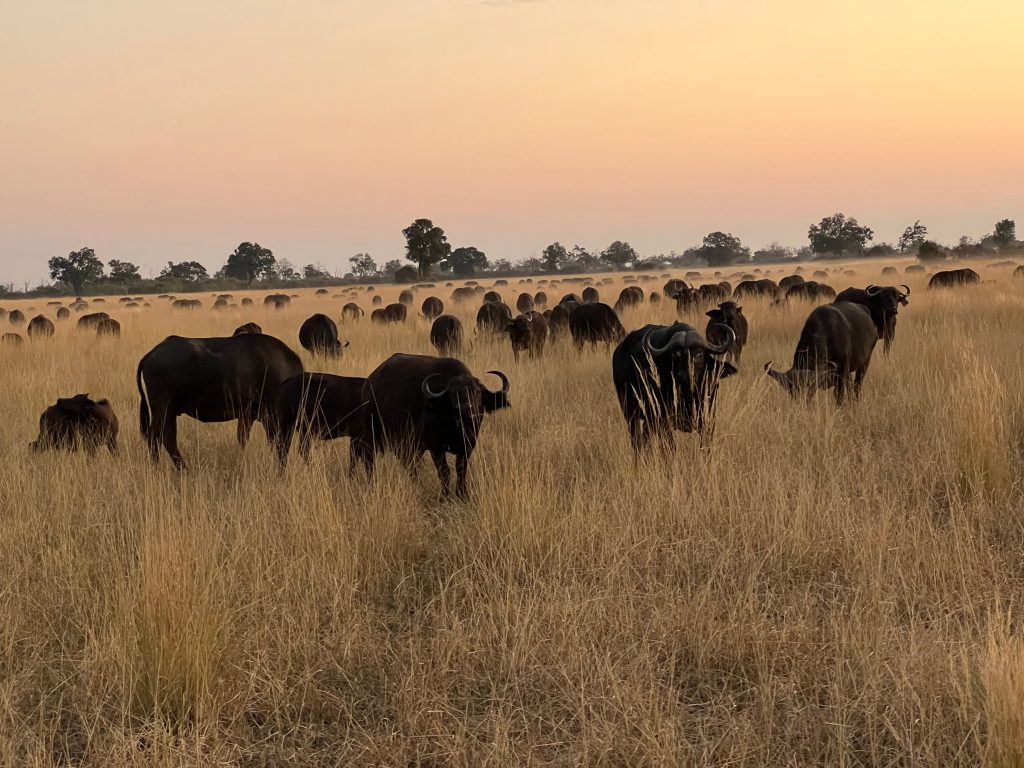
This is your only complete day and it is worth using properly.
Out at first light on a morning game drive into the park, running three to four hours along the riverfront and into the woodland behind. Mornings are when the cats are still moving, and the riverfront in the dry months puts concentrated game in open country.
Back to the lodge mid-morning for a proper breakfast, then the middle of the day is yours. Sleep through it. Everybody does, and in October everybody must.
Afternoon tea, then a second activity. Many people take a boat safari again rather than a drive, and that is a defensible choice because the water gives a different perspective on the same wildlife. Or take an afternoon drive and finish with a sundowner somewhere open.
The drier woodland behind the river holds sable and roan, which the riverfront does not, so a drive earns its place if you have already been on the water.
Day Three: Final Morning and Departure
Take the early game drive before breakfast. It is the last chance and mornings are the best viewing of the day, so resist the temptation to sleep in.
Back for breakfast, then the transfer. Kasane airport is roughly thirty minutes from most lodges, and Victoria Falls is around ninety minutes by road including the border.
Book an afternoon departure rather than a morning one. A late flight buys you the final drive, and losing it to a nine o’clock check-in wastes a third of your safari.
Chobe from Kasane. No internal flight, minutes from the park gate, boat and vehicle safaris, highest elephant density in Africa. The most wildlife per day and the lowest cost. Best choice for three days. Operators run this shape as a packaged 3 day Okavango Delta safari, which is the quickest way to see how the flights and camp nights fit together.
Okavango Delta by air. One charter flight each way from Maun. Mokoro, boat and walking activities plus strong predator viewing. More remote and more expensive, with roughly half a day lost to transfers. If you can stretch it by two nights, our 5-day Botswana itinerary is the better-balanced version.
Mokoro trail from Maun. Road transfer to a poling station, dome tents on remote islands, guided walks and campfire meals. The budget option, simple facilities, and a genuinely different experience of the Delta.
The Okavango Delta Alternative in Three Days
Three days in the Delta is possible and can be one of the better experiences of a travelling life, though the logistics take a bite.
Fly in from Maun on a light aircraft, typically a hop of fifteen to forty-five minutes, and the flight itself is a highlight with the channels and herds laid out below. Fly in early on the first day and leave as late as possible on the third to protect your time.
Stay in one camp rather than two. With one full day available, moving is indefensible.
Choose a camp on permanent inner Delta water if mokoro trips are what you came for, since seasonal camps at the eastern edge switch to game drives when channels drop. Ask directly rather than assuming.
What you gain over Chobe is water activities, wild dog and leopard, and a remoteness that Chobe cannot match. What you pay is a charter flight each way, a strict 20kg soft-bag limit and a considerably higher nightly rate.
A Three-Day Mokoro Trail From Maun
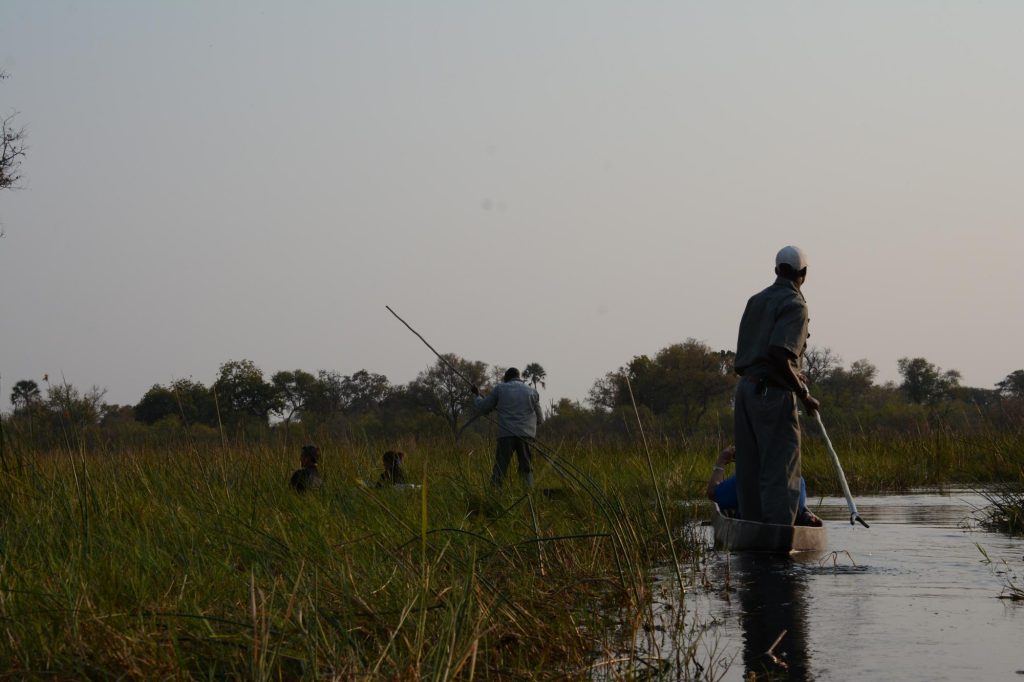
The budget route into the Delta, and a genuinely good trip if you do not mind simplicity.
A 4×4 carries you from Maun to a poling station, taking around an hour. From there local polers take you by dugout canoe through the channels to a remote island, where you camp in small dome tents with bedrolls.
Days are spent poling, walking on the islands to track wildlife on foot with a local guide, and sitting around a fire in the evening while meals are cooked over it.
Facilities are basic: shared bush toilet and shower, no electricity, no fences. Pack light and in soft bags, since hard cases do not work in a mokoro.
Tip your poler directly at the end, since polers are frequently community members rather than camp staff and may not share in any general tip pool.
Add Victoria Falls to a three-day Chobe trip and you have a strong week. Kasane sits around 80 kilometres from the Falls, and Mack Air flies the route in about twenty minutes if the Kazungula border queue looks unpromising.
Best Time for a Short Botswana Safari
With only three days, weight the odds as far in your favour as possible.
July through October is the strongest window for Chobe. Water elsewhere has gone, the herds are pinned to the river, and boat safaris peak. September and October concentrate game most tightly, at the cost of real heat, with Maun averaging a maximum near 37°C in October.
June and July bring cold mornings, around 6°C to 7°C on an open vehicle, so pack a fleece and windproof layer.
Green season from November to April is cheaper and quieter with dramatic skies and newborn game, though animals disperse and a short trip has less margin for patience. If your three days fall then, Chobe holds up better than inland areas because the river is permanent.
Frequently Asked Questions About a 3-Day Botswana Safari
How much does a 3-day Botswana safari cost?
Chobe from Kasane is the cheapest entry point, since no internal charter is needed. Mid-range lodge rates run roughly 600 to 1,100 US dollars per person per night all-inclusive, so three nights lands somewhere around 1,800 to 3,300 plus flights. Budget mobile and camping options run 350 to 550 per person per day. Delta camps start considerably higher and add charter legs at roughly 250 to 500 dollars per person per leg. Park entry is 120 Pula per person per day for non-residents.
Is 3 days enough for a Botswana safari?
Enough for one area, not for two. Three days gives you one full day plus two partial ones, which in Chobe or a single Delta camp delivers four activities and genuinely good wildlife viewing. It is not enough to combine regions, since each internal flight costs roughly half a day. If three days is what you have, pick one place and stay put rather than trying to see the Delta and Chobe in the same trip.
Where should I go on a short Botswana safari?
Chobe National Park from Kasane, for practical reasons. The airport sits minutes from the Sedudu Gate so no internal charter flight is required, which saves both time and money, and the riverfront carries the highest elephant density in Africa. Boat safaris put you level with drinking elephants and hippos within twenty minutes of leaving the jetty. The Okavango Delta is the alternative if water activities and remoteness matter more than efficiency.
Can I do a 3-day safari from Victoria Falls?
Yes, and it is a common combination. Kasane sits around 80 kilometres from Victoria Falls, with road transfers taking a couple of hours including the Kazungula border crossing, which can queue badly in peak season. Mack Air runs a scheduled flight of around twenty minutes as the alternative. Many operators sell three-day Chobe packages departing from Victoria Falls, and the reverse works equally well as an add-on to a Botswana trip.
What is a mokoro trail and is it worth doing in three days?
A budget Delta trip where you travel by 4×4 from Maun to a poling station, then by traditional dugout canoe to a remote island, camping in small dome tents with bedrolls. Days involve poling through channels, guided bush walks and meals cooked over a fire. Facilities are basic with shared bush toilet and shower and no electricity. It suits travellers who want the Delta on a small budget and do not mind simplicity, and three days works well for it.
How many game drives will I get in three days?
Typically four activities: an afternoon one on arrival day, a morning and afternoon on the full middle day, and a final morning before departure. Booking an afternoon rather than morning flight home protects that last drive, which matters because mornings deliver the best viewing. In Chobe you can substitute boat safaris for some of these, and mixing water and vehicle gives you a broader picture of the same wildlife.
Booking Your Botswana Trip
The safari companies and tour operators listed on this website put trips like this together for a living and know which camps, guides and routes actually deliver. We are an independent guide to Botswana; we do not book or sell tours ourselves.
When you are ready, arrange your safari, tour or holiday with one of the recognised operators listed here. Tell them your dates and what matters most, and a real person, not a form, will handle the itinerary, park bookings and logistics for you.