Khutse Game Reserve
Khutse Game Reserve covers around 2,500 square kilometres on the southern boundary of the Central Kalahari Game Reserve, with no fence between the two, and it is the closest true Kalahari wilderness to Gaborone at roughly 240 kilometres. It was the second game reserve in Botswana established on tribal land, after Moremi. Khutse means “where one kneels to drink”, and its sixty or so clay pans are remnants of a river system that once fed the prehistoric Lake Makgadikgadi.
Where Khutse Sits and How It Was Established
The reserve lies in central Botswana on the tribal lands of the Bakwena, roughly 200 to 240 kilometres from Gaborone depending on the route.
It was declared a protected area in the early nineteen seventies, making it the second game reserve in the country created on tribal land. Moremi in the Okavango was the first, and the two share that distinction of community-led protection rather than administration from above.
Khutse adjoins the Central Kalahari Game Reserve along its northern edge with no fence separating them, so wildlife moves freely between the two. Some of the reserve’s northern campsites actually sit inside the Central Kalahari boundary.
The drive from Gaborone runs through a string of Kalahari villages including Molepolole, sometimes called the gateway to the Kalahari, and it is part of the appeal rather than simply the way in.
Khutse is the Kalahari you can reach in a day from the capital. That accessibility is its whole character, and it is why the reserve is busy at weekends and close to empty from Sunday to Thursday.
The Pans and Fossil Riverbeds of Khutse
The reserve’s shape was set by water that stopped flowing many thousands of years ago.
Khutse forms part of an ancient river system that once ran northeast to feed Lake Makgadikgadi, and around fifteen thousand years ago it was one of the lake’s major tributaries. All that remains are dry riverbeds and pans.
Around sixty mineralised clay pans are scattered through the reserve, and they are where the wildlife concentrates, particularly after good rain. The main ones carry names worth knowing for navigation: Khutse, Motailane, Moreswe, Molose, Mahurushele, Sekhushwe, Khankhe, Galalabadimo, Sutswane and Tshilwane.
Habitat combines most Kalahari types in a small area: rolling grassland, dry riverbed, fossil dune, and both grassed and bare pans.
There is no permanent natural water anywhere in the reserve. Water is sometimes pumped to artificial waterholes at Moreswe and Molose, which improves game viewing through the year, though pumps can fail or be damaged.
Wildlife in Khutse Game Reserve
Game density is lower than the Central Kalahari immediately north, and the viewing is correspondingly patient work.
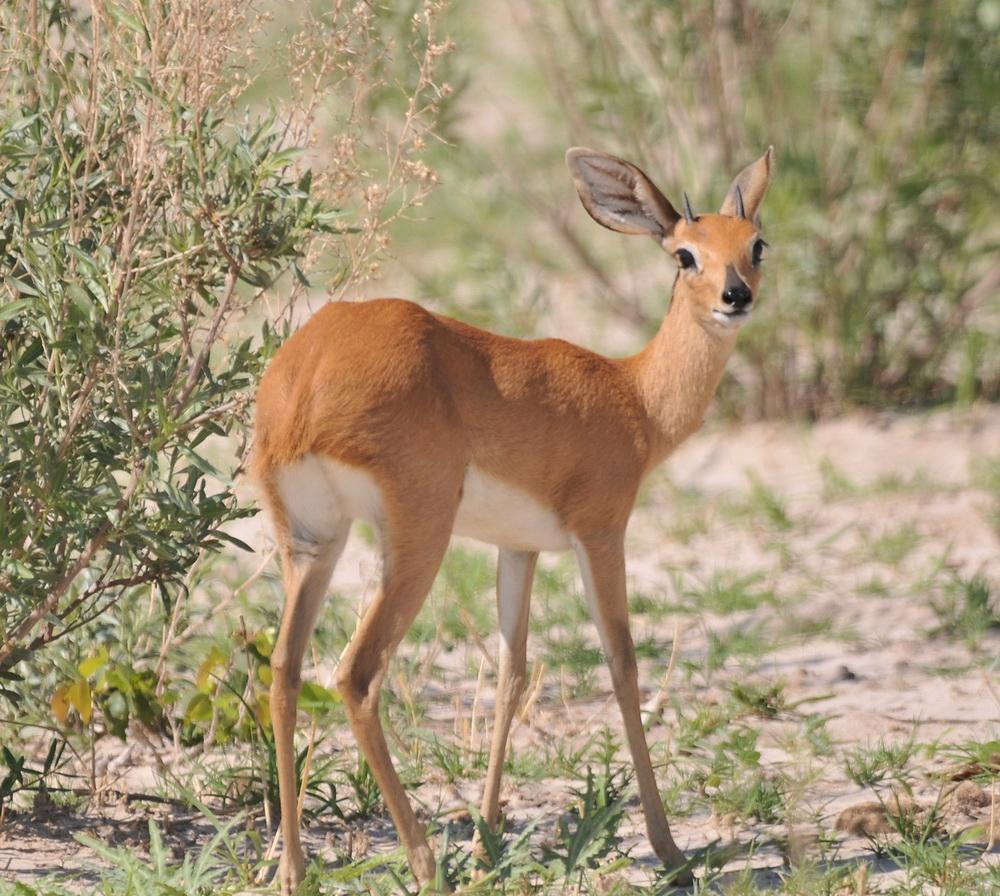
Springbok are often abundant and gemsbok are the reliable Kalahari antelope, alongside giraffe, wildebeest, red hartebeest, kudu, eland, steenbok and duiker. Ground squirrels and meerkats occur around the pans.
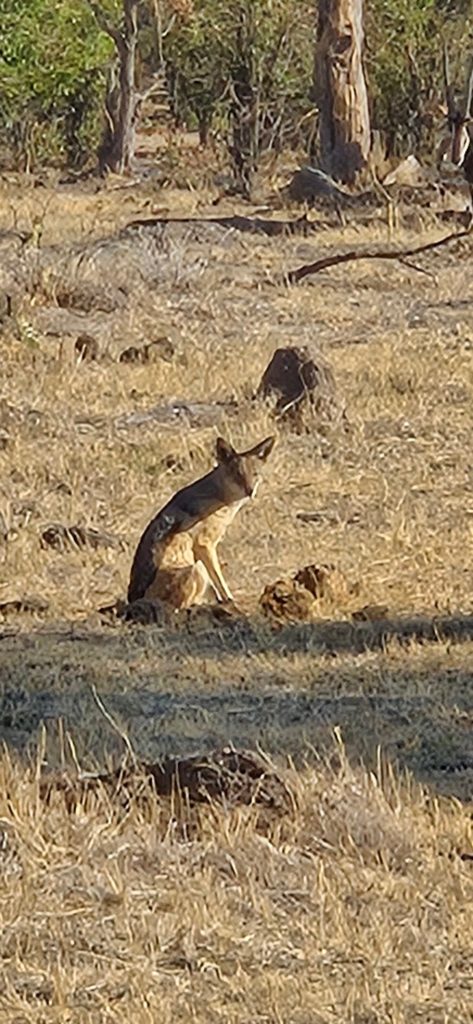
Predators are better represented than the thin prey numbers would suggest. Lion are frequently heard around the campsites at night and are the most commonly seen big cat. Leopard, cheetah and the endangered brown hyena all occur, alongside black-backed jackal, caracal, African wildcat and Cape fox.
The smaller nocturnal species are a genuine draw here: aardvark, aardwolf, pangolin, porcupine, springhare, bat-eared fox and black-footed cat.
Birdlife is plentiful, with the open country making raptors, kori bustard and secretary bird easy to pick out.
One ongoing complication worth knowing: conflict between lions and livestock owners on the reserve’s boundaries is a persistent management problem.
Driving Routes and Loop Trails in Khutse
The reserve has well-maintained tracks by Kalahari standards, and the loops give it more structure than the Central Kalahari’s vast distances allow.
A short loop of around 24 kilometres runs the northern pans of Sekhushwe and Mahurushele, which suits a half day.
To reach Moreswe, the most direct route from the entrance gate runs around 62 kilometres one way and is the least interesting. The longer northern loop, roughly 72 kilometres one way via Mahurushele Pan, takes you past a chain of pans and is considerably better for wildlife. On that northern route you pass a sign marking the Tropic of Capricorn.
A seven kilometre loop skirts the southern edge of Khutse Pan, signposted to the left before you reach the waterhole, and unusually for the Kalahari it includes some elevation that gives you a view across the pan.
Visitors concentrate around the Khutse Pan network near the entrance, so heading further north thins the traffic quickly.
Khutse Pan area. Nearest the gate, with a waterhole shortly before the campsite turn-off where leopard, giraffe and gemsbok are regularly seen. Busiest part of the reserve, and still quiet midweek.
Moreswe and Molose. Deeper southwest, with pumped waterholes that hold game through the dry months. Campsites here have good pan views and see far fewer vehicles.
Northern pans. Mahurushele, Sekhushwe and beyond, on the route toward the Central Kalahari boundary. Better wildlife than the direct tracks and the Tropic of Capricorn marker.
Camping and Facilities in Khutse
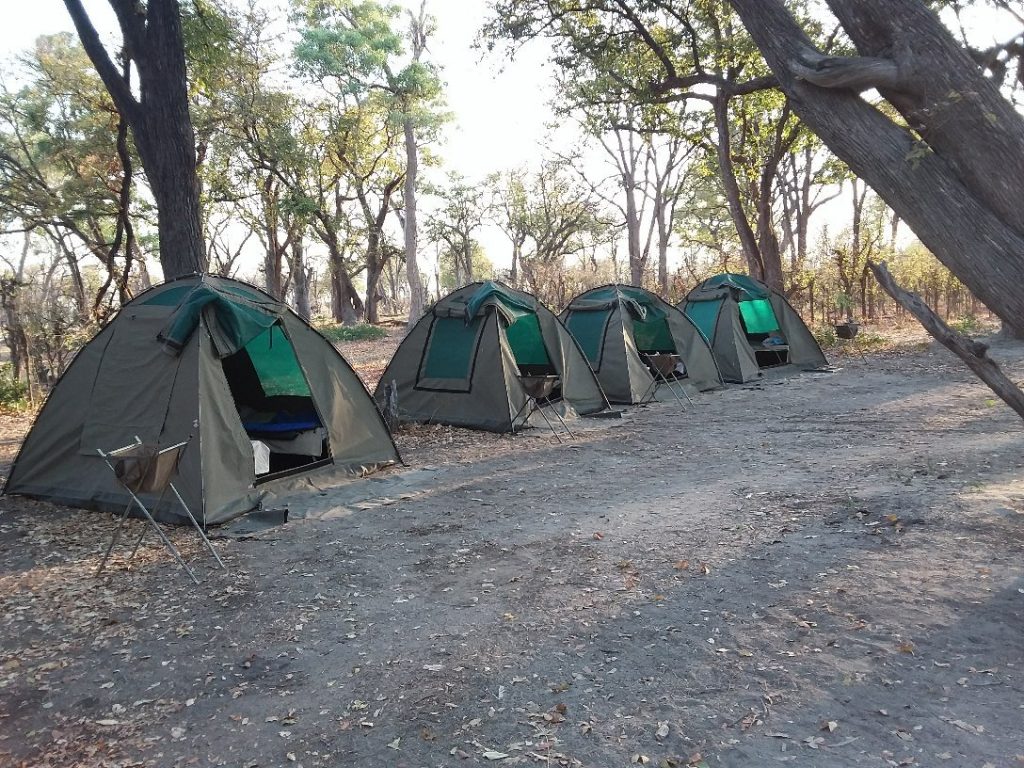
Khutse is a self-sufficiency reserve, and the phrase means exactly what it says.
Around twenty-five individual campsites are distributed across the major pans, several beautifully positioned with open views. Facilities amount to pit latrines and bush shower frames at the main pans, and shade is minimal at most sites.
Crucially, there is no water. Reports differ on whether one site has a working supply, and the safe assumption is that you carry everything you need, including water for washing.
There are no lodges inside the reserve. Accommodation options sit outside the gate, and availability there has been variable.
Bookings run through the private operators that handle most Botswana public campsites, with park fees settled separately with the Department afterwards.
Fuel is not sold in the reserve, and the last reliable fuel stop is at Letlhakeng, so fill up there and carry jerry cans.
Getting to Khutse Game Reserve
Access is easier than any other Kalahari reserve, which is much of the point.
The reserve is reachable from the south via Molepolole, from the west via Dutlwe and from the east via Lephephe, with tarmac running as far as Letlhakeng. Beyond that the tracks are deep sand and a 4×4 is required.
Sir Seretse Khama International Airport at Gaborone is around 240 kilometres away, which makes Khutse practical as a weekend trip in a way that no other desert reserve manages.
It is also possible to drive between Khutse and the Central Kalahari through the connecting tracks, though this is a long, monotonous run through deep sand and should be treated as a serious undertaking rather than a shortcut.
Roads inside the reserve form loops around the main pans, and deep sand demands proper tyre pressure management throughout.
Visit midweek. Khutse is the weekend escape for Gaborone, so Friday and Saturday nights fill the popular pans while Sunday through Thursday can leave you close to alone in a reserve the size of a small county.
Best Time to Visit Khutse Game Reserve
Rainfall averages somewhere between 250 and 400 millimetres a year, concentrated from November to April, and that pattern drives everything.
The wet months bring intense thunderstorms, daytime highs pushing into the high thirties, green grassland and pans that fill into shallow lakes. Herds of kudu and hartebeest appear on the bush savanna, and springbok, gemsbok and wildebeest work the pans. Occasional flooding makes some tracks impassable.
The dry season from May to October is cooler, with daytime temperatures in the twenties dropping to near freezing at night, accompanied by strong winds and dust.
September through December is the harshest stretch: hot, dry, dusty and often very windy, with wildlife concentrated at the pumped boreholes and numbers low and widely spread.
For game, aim for the rains and shortly after. For comfort, the winter months are easier going.
Frequently Asked Questions About Khutse Game Reserve
How far is Khutse Game Reserve from Gaborone?
Around 200 to 240 kilometres depending on the route, making it the most accessible genuine Kalahari wilderness from the capital and a popular weekend trip for Gaborone residents. The drive runs through Kalahari villages including Molepolole, sometimes called the gateway to the Kalahari. Tarmac continues as far as Letlhakeng, which is also the last reliable fuel stop, after which deep sand tracks require a 4×4.
What does Khutse mean?
It means “where one kneels to drink” in Sekwena, the local dialect of Setswana, which is a reference to the pans and the water that once collected in them. The reserve forms part of an ancient river system that flowed northeast to feed the prehistoric Lake Makgadikgadi, and around fifteen thousand years ago was one of that lake’s major tributaries. All that remains today are dry riverbeds and roughly sixty clay pans.
What wildlife can you see in Khutse?
Springbok are often abundant, with gemsbok, giraffe, wildebeest, red hartebeest, kudu, eland, steenbok and duiker also present. Predators are well represented even with low prey density: lion are frequently heard around the campsites and are the most commonly seen big cat, alongside leopard, cheetah, brown hyena, caracal and Cape fox. The smaller nocturnal species are a real draw, including aardvark, aardwolf, pangolin, porcupine and black-footed cat.
Are there lodges in Khutse Game Reserve?
No lodges operate inside the reserve. Accommodation options sit outside the entrance gate, and availability there has been unreliable, with at least one property closed following a fire. Inside, there are around twenty-five individual campsites distributed across the major pans, several with excellent open views. Facilities are limited to pit latrines and bush shower frames at the main pans, with minimal shade.
Is there water at Khutse campsites?
Assume not. Reports differ on whether any site has a working supply, and the safe position is to carry all your own water including for washing. Water is sometimes pumped to artificial waterholes at Moreswe and Molose for the wildlife, though pumps can fail or be damaged. There is no permanent natural water anywhere in the reserve and no fuel is sold inside, so fill up at Letlhakeng and carry jerry cans.
When is the best time to visit Khutse?
The wet months from November to April bring green grassland, filled pans and the best wildlife concentrations, with herds appearing on the bush savanna, at the cost of heat in the high thirties and occasional flooding that closes tracks. The dry season from May to October is cooler with near-freezing nights, but game thins and spreads out. September through December is the harshest stretch: hot, dry, dusty and windy.
Booking Your Botswana Trip
The safari companies and tour operators listed on this website put trips like this together for a living and know which camps, guides and routes actually deliver. We are an independent guide to Botswana; we do not book or sell tours ourselves.
When you are ready, arrange your safari, tour or holiday with one of the recognised operators listed here. Tell them your dates and what matters most, and a real person, not a form, will handle the itinerary, park bookings and logistics for you.