Khwai Community Concession
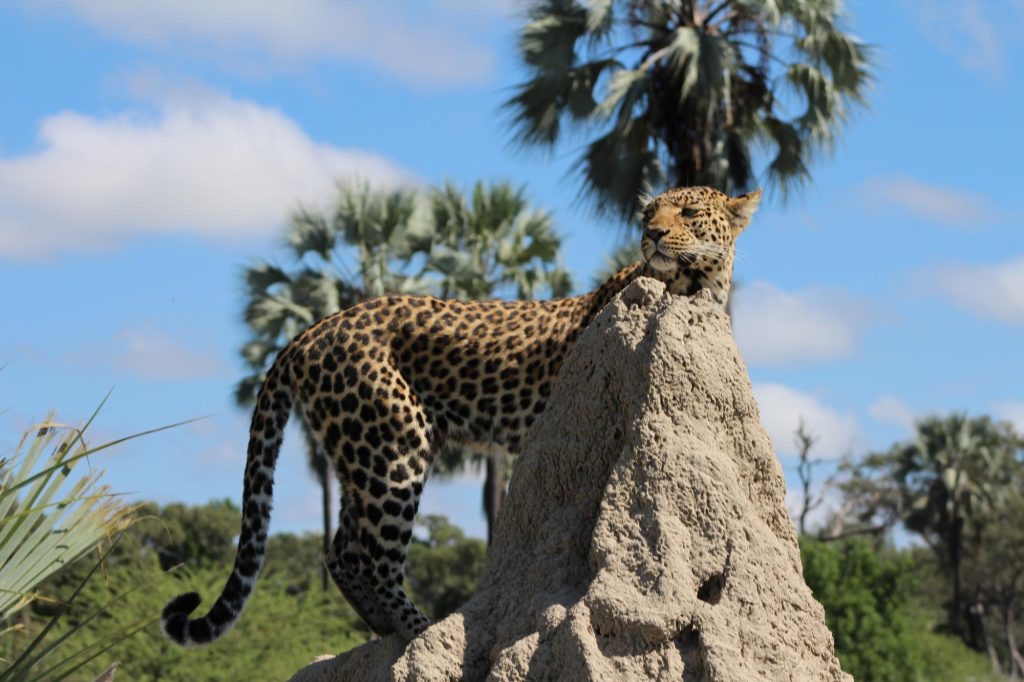
The Khwai Community Concession runs along the Khwai River between Moremi Game Reserve and Chobe National Park, and it is owned and managed by Khwai Village through a community trust, with lodge revenue flowing directly to residents. Because it sits outside the national parks, it permits night drives, off-road driving and walking safaris that Moremi cannot legally offer. Khwai is also reachable by 4×4 from Maun, which makes it one of the few areas of its quality open to self-drive travellers.
The Two Khwai Concessions and Why the Difference Matters
This is the single most useful thing to establish before booking, because the name Khwai covers two quite different areas and sources routinely conflate them.
The Khwai Private Reserve, designated NG18, covers roughly 200,000 hectares to the north and west. It holds only a handful of luxury lodges, and self-drivers, mobile safari operators and day visitors are not permitted. Game viewing there is shared with very few vehicles.
The Khwai Community Concession, designated NG19, is much smaller at around 30,000 hectares, lying to the south along the river. It is community-owned, holds considerably more lodges and camps, and permits self-drive access and mobile safaris.
Together the two cover something like 230,000 hectares of riverine forest, seasonal floodplain, mopane woodland and winding channels.
Some sources quote 180,000 hectares for the community concession, which appears to conflate the two. If having few vehicles around matters to you, confirm which of the two a camp actually sits in before booking.
Khwai is the answer to a common frustration: it delivers Moremi-quality wildlife with night drives, off-road driving and walking safaris, none of which the reserve next door is permitted to offer.
Community Ownership and the Khwai Trust
The concession’s governance is genuinely unusual and worth knowing about, not least because it is one of the better answers to the question of who benefits from safari tourism.
The area was once a hunting concession. It was established as a photographic tourism area by the Khwai villagers themselves, and today it is overseen by a community trust acting on behalf of the village.
Revenue from lodge lease fees flows directly to the community rather than to an outside operator, and the trust also runs campsites and offers mokoro and boat excursions, walking and cultural tours for self-drive visitors and mobile safari operators.
Cultural village tours can be arranged either directly with the community or through the lodges along the river, and they are a straightforward way to see how the arrangement works in practice and to talk with residents.
Some camps go further, with one property part-owned by the family whose people were the area’s original inhabitants.
Staying here is about as direct a route as exists in Botswana for tourism spending to reach the people living alongside the wildlife.
The Khwai River and Its Wildlife
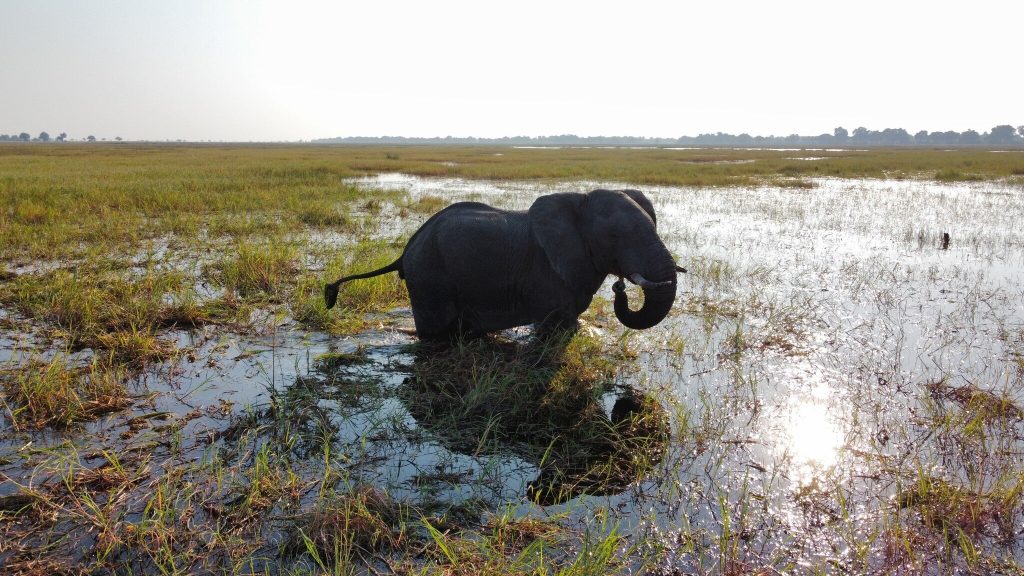
The river is the reason everything else works.
The Khwai forms the northern boundary of the Okavango Delta and very rarely runs dry, which makes it a magnet for animals moving between Moremi and Chobe. Thousands of animals forage and hunt in the mopane forests between the two parks, and the Khwai is their nearest reliable water.
Elephant sightings here are close and frequent, with herds crossing the river and moving through the campsites. Wildlife is much the same as in Moremi next door: buffalo, zebra, giraffe, eland, sable, hippo and a full antelope range including red lechwe grazing the riverbanks.
Khwai is a predator-rich area with high concentrations and a healthy wild dog population. Leopard are regularly seen, often draped in fever trees near the river. Lion, cheetah and spotted hyena all hold territory here.
Night drives reveal what the day does not: serval, pangolin, genet, civet and porcupine.
Birdlife across northern Botswana runs to around 450 species, with wattled crane, Pel’s fishing owl and western banded snake-eagle among the rarer sightings.
Activities in the Khwai Concession

The activity range is what draws people here rather than to Moremi, and it is worth being specific.
Night drives run with spotlights, permitted because the concession sits outside the national park boundary. This is the single most common reason itineraries pair a few nights in Moremi with a few at Khwai.
Off-road driving is allowed, so a guide can follow a wild dog pack on a hunt at full speed rather than losing them.
Mokoro trips run on the Khwai River with local polers, gliding through reed beds at water level.
Walking safaris put you on foot with a guide to track animals directly.
Some lodges in the private reserve to the north offer underground photographic hides at water level.
The combination is unusual. A morning mokoro through the reeds followed by an afternoon following dogs at speed is a range of experience few places in Africa manage inside a single day.
Khwai Private Reserve, NG18. Around 200,000 hectares, a handful of luxury lodges, no self-drivers or day visitors. Full activity range including photographic hides. Fewest vehicles and highest rates.
Khwai Community Concession, NG19. Around 30,000 hectares along the river, community-owned, more lodges and camps, open to self-drive and mobile safaris. Night drives, mokoro, walking and village tours.
Community campsites. Magotho, Mbudi and Khwai Safari Grounds, run by the trust and open to self-drivers. Wilderness feel with regular elephant movement through camp.
Camping and Self-Drive in Khwai
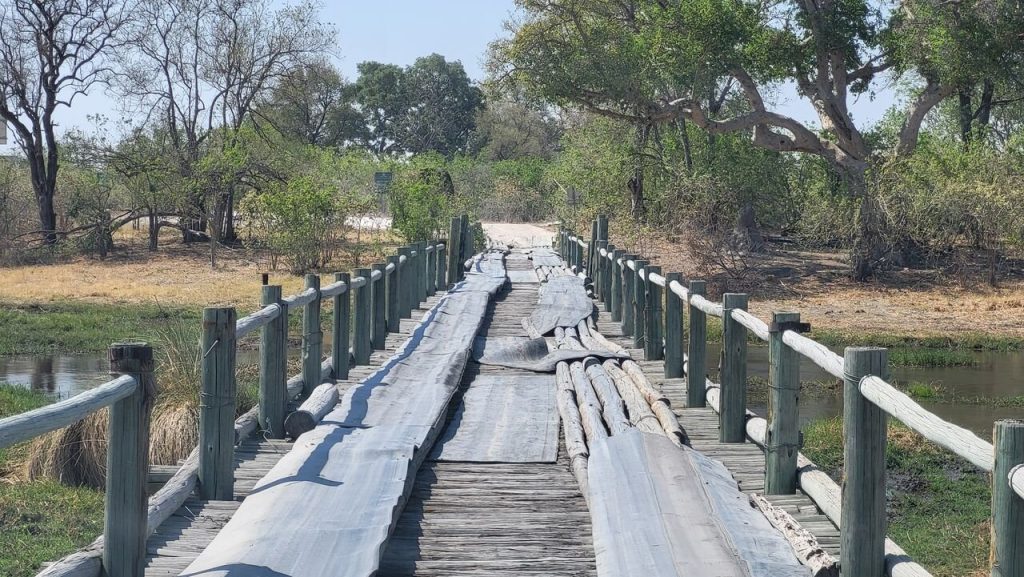
Khwai is one of the few areas of this quality genuinely open to independent travellers, which is a large part of its appeal.
Three community campsites take public bookings. Magotho, also known as Khwai Community Camp, is the longest established and largest, sitting around 20 kilometres east of Khwai Village, spread out with a proper wilderness feel and good ablutions. It is known for the elephants that wander through. Mbudi is smaller with fewer tracks immediately nearby, though game still moves through camp. Khwai Safari Grounds is newer and similar to Magotho.
Two further sites, Matswere and the Sable Alley campsite, are not open to the public and serve registered Botswana tour operators only.
At Magotho, ask for a riverside pitch rather than accepting whatever you are allocated.
Khwai Village has a small shop, though supplies amount to little more than cold drinks and snacks, so carry everything you need.
Getting to Khwai
Access is easier than most areas of comparable quality, and that is unusual in Botswana.
The region is a few hours’ drive from Maun by 4×4, negotiating thick sand and a few water crossings along the way. It sits just beyond Moremi’s North Gate, which makes it a natural stop on a self-drive circuit and an excellent staging point between Moremi and Chobe.
A small airstrip serves the lodges along the river for fly-in guests.
Mobile safari operators use Khwai heavily for exactly these reasons, and a typical mobile route from Maun runs into Moremi and then out through Khwai before continuing north to Savuti and Chobe.
Khwai has a reputation for being busy compared with the private concessions, and near the main crossings that is fair. It is also the only place delivering this standard of wildlife with night drives at a price self-drivers and mobile safaris can reach, which is a trade most people find worth making.
Best Time to Visit Khwai
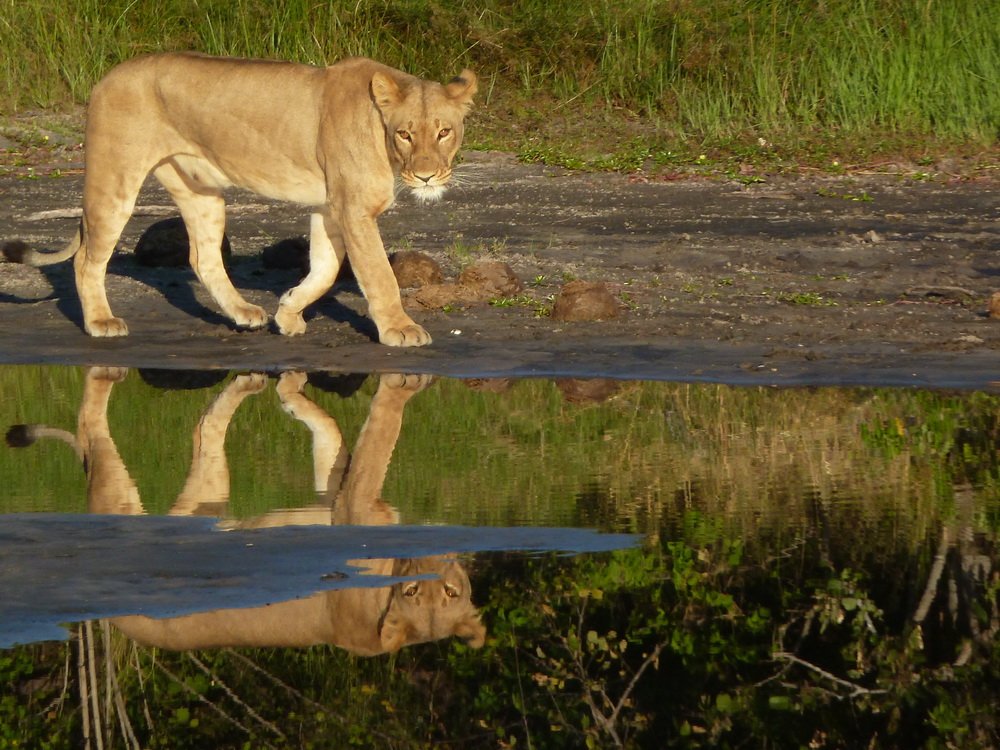
Khwai works across the year better than most of northern Botswana, because the river rarely dries.
The dry months from May to October concentrate game heavily on the river as inland water disappears, which makes this the strongest window. Elephant numbers along the Khwai build through the season, and predator viewing peaks in September and October when the bush has thinned.
Wild dog denning falls around June through August, when packs stay near one location.
Mornings in June and July are cold on an open vehicle, and October is very hot.
The green season greens the country, disperses the game and brings excellent birding, with rates falling considerably. Water crossings on the drive in from Maun become harder after heavy rain, which matters for self-drivers.
Frequently Asked Questions About Khwai Community Concession
Where is the Khwai Community Concession?
Along the Khwai River in northern Botswana, just beyond Moremi Game Reserve’s North Gate, wedged between Moremi and Chobe National Park. The community concession, designated NG19, covers around 30,000 hectares along the river. The separate Khwai Private Reserve, NG18, extends across roughly 200,000 hectares to the north and west, and the two together cover something like 230,000 hectares of riverine forest, floodplain and mopane woodland.
Can you do night drives at Khwai?
Yes, and it is the main reason people come. Because the concession sits outside the national park boundary it permits night drives with spotlights, along with off-road driving and guided walking, none of which Moremi Game Reserve or Chobe National Park allow. Night drives reveal serval, pangolin, genet, civet and porcupine alongside hunting cats. Most itineraries pair a few nights inside Moremi with a few at Khwai for exactly this reason.
Who owns the Khwai Community Concession?
The Khwai Village community, through a community trust that manages the area on their behalf. It was once a hunting concession and was established as a photographic tourism area by the villagers themselves. Revenue from lodge lease fees flows directly to the community, and the trust also operates campsites and offers mokoro and boat excursions, walking and cultural tours. Village tours can be arranged directly with the community or through lodges along the river.
Can you self-drive and camp in Khwai?
Yes, in the community concession NG19, which is one of the few areas of this quality open to independent travellers. Three community campsites take public bookings: Magotho, also called Khwai Community Camp and known for elephants wandering through, Mbudi, and Khwai Safari Grounds. Two further sites serve registered tour operators only. The private reserve NG18 to the north does not permit self-drivers, mobile safaris or day visitors at all.
How do you get to Khwai from Maun?
A few hours by 4×4, negotiating thick sand and a few water crossings, which makes a properly equipped vehicle necessary. Khwai sits just beyond Moremi’s North Gate, so it slots naturally into a self-drive circuit and works well as a staging point between Moremi and Chobe. A small airstrip serves the lodges along the river for fly-in guests. Water crossings become considerably harder after heavy rain.
Is Khwai busy?
Compared with the private concessions, yes, particularly near the main river crossings, and the community concession has considerably more camps than the private reserve to the north. Set against that, Khwai delivers Moremi-standard wildlife with night drives, off-road driving and mokoro at a price accessible to self-drivers and mobile safaris, which no private concession does. Travellers wanting solitude above all should look at Linyanti, Kwando or the NG18 private reserve.
Booking Your Botswana Trip
The safari companies and tour operators listed on this website put trips like this together for a living and know which camps, guides and routes actually deliver. We are an independent guide to Botswana; we do not book or sell tours ourselves.
When you are ready, arrange your safari, tour or holiday with one of the recognised operators listed here. Tell them your dates and what matters most, and a real person, not a form, will handle the itinerary, park bookings and logistics for you.