Mabuasehube Game Reserve
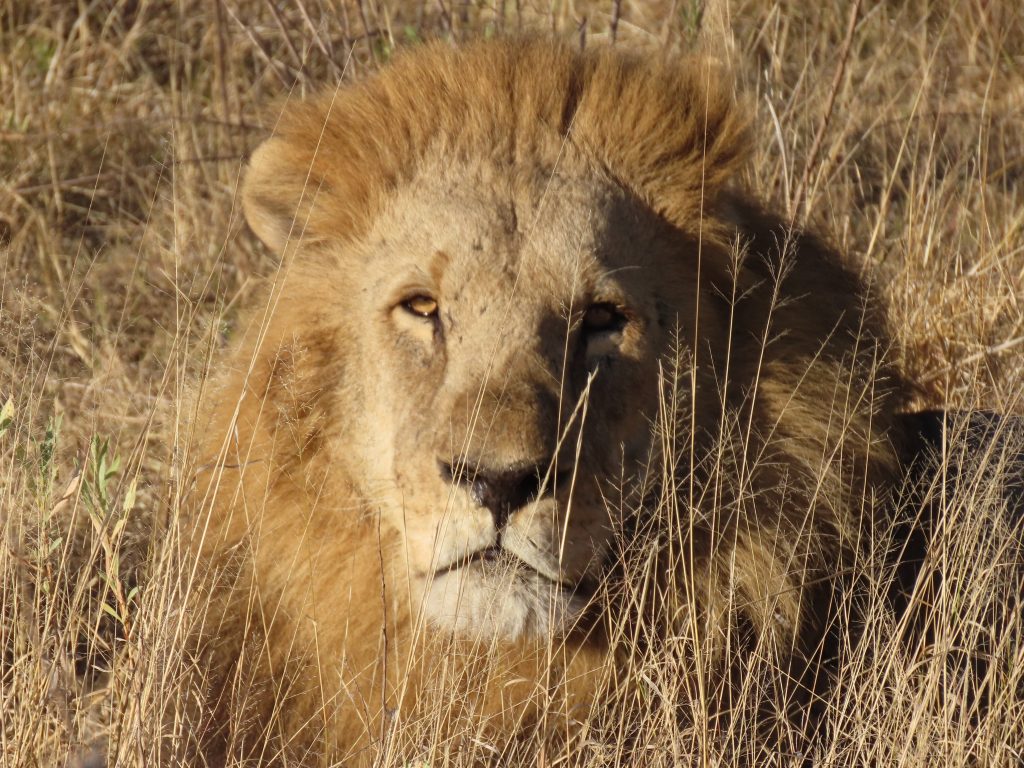
Mabuasehube covers roughly 2,000 square kilometres in the northeastern corner of the Kgalagadi Transfrontier Park, entirely inside Botswana, and it is one of the few places in Africa where lions routinely walk through occupied campsites. Its campsites sit on rises overlooking huge pans, so game viewing happens from a camp chair as much as from a vehicle. Mabuasehube was a standalone game reserve before being absorbed into the wider transfrontier park.
Mabuasehube and the Kgalagadi Transfrontier Park
The administrative history explains why the name persists when the reserve no longer exists as a separate entity.
Mabuasehube Game Reserve was proclaimed independently, then folded into Botswana’s Gemsbok National Park, and later became part of the Kgalagadi Transfrontier Park when Botswana and South Africa merged their adjoining parks under treaty.
That merger created Africa’s first transfrontier conservation area, sometimes called a peace park, combining South Africa’s Kalahari Gemsbok National Park with Botswana’s Gemsbok National Park. The result covers around 37,000 square kilometres, roughly twice the size of Kruger, and is jointly managed by both countries.
Crucially the whole park is unfenced, which allows wildlife to move along ancient routes that make survival possible in country this dry.
Mabuasehube remains the name everyone uses for the northeastern section, and it functions as a distinct destination with its own gate, its own character and its own access problems.
Mabuasehube is the section of the Kgalagadi where the campsites are the game hides. Most sit on slight rises above the pans, which means you watch from your chair rather than driving to find something.
The Pans of Mabuasehube
The reserve is built around a series of exceptionally large pans, and they are the entire focus of a visit.
Three of the largest lie along the main road: Mabuasehube, Mpayathutlwa and Bosobogolo. Others including Lesholoago and Khiding sit off the main route.
Mabuasehube and Mpayathutlwa both have permanent waterholes, which makes them the reliable places for wildlife and where most visitors base themselves. Game is limited through the dry winter months regardless.
Terrain around the pans mixes the typical Kgalagadi tree and shrub savanna with patches of wide open grass savanna, and the contrast between the pale pan floors and the red Kalahari sand is what gives the area its visual character.
Lookout points above Mabuasehube Pan give views across the whole basin, and visitors consistently rate these as the highlight, particularly when thunderstorms build over the pan in summer.
The Lions of Mabuasehube
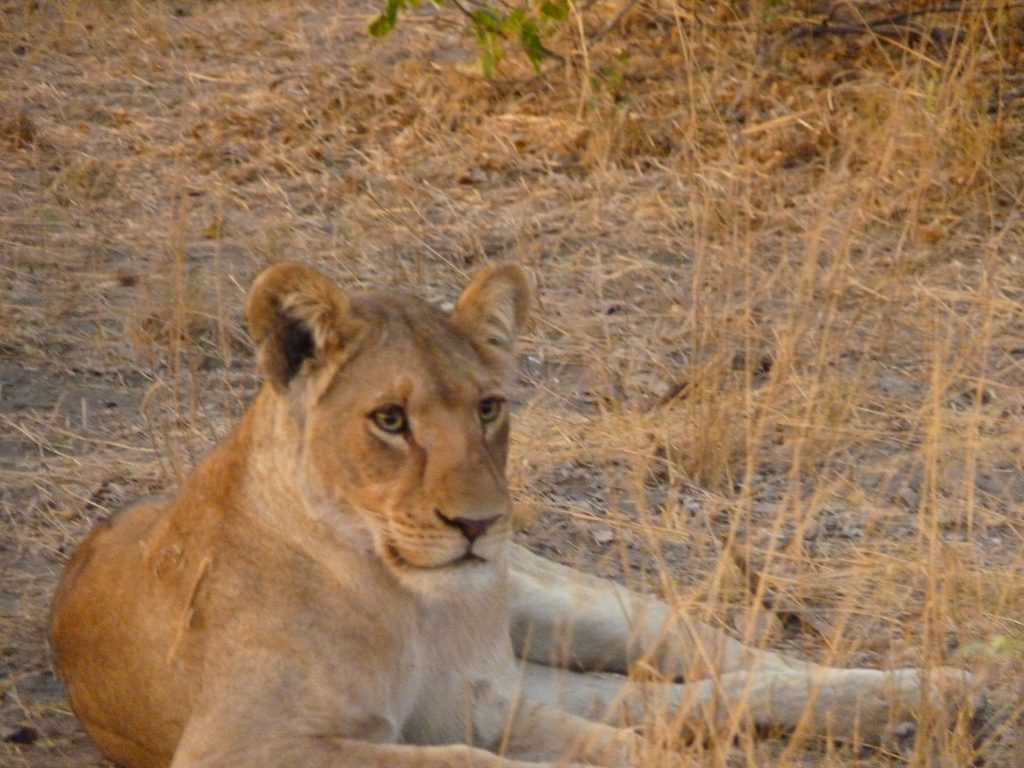
The reserve’s reputation rests on its black-maned Kalahari lions, and above all on how close they come.
Campsites here are unfenced and lion visits are routine rather than exceptional. Visitors regularly report prides walking through camp, calling through the night from close range, and in one widely repeated account a group of nine lions spending three hours in a campsite and making off with a camp bed.
This is not a story about danger so much as one about proximity. The safety record depends on the same rules that apply everywhere in Botswana: stay in the tent or vehicle at night, keep food sealed and inside the vehicle, and never step outside to look.
Leopard and brown hyena also visit camps, and spotted hyena work the pans.
Anyone uncomfortable with genuinely unfenced camping at this level should look at Khutse or the Central Kalahari instead, where the same species occur with less regular camp contact.
Wildlife and Birdlife in Mabuasehube
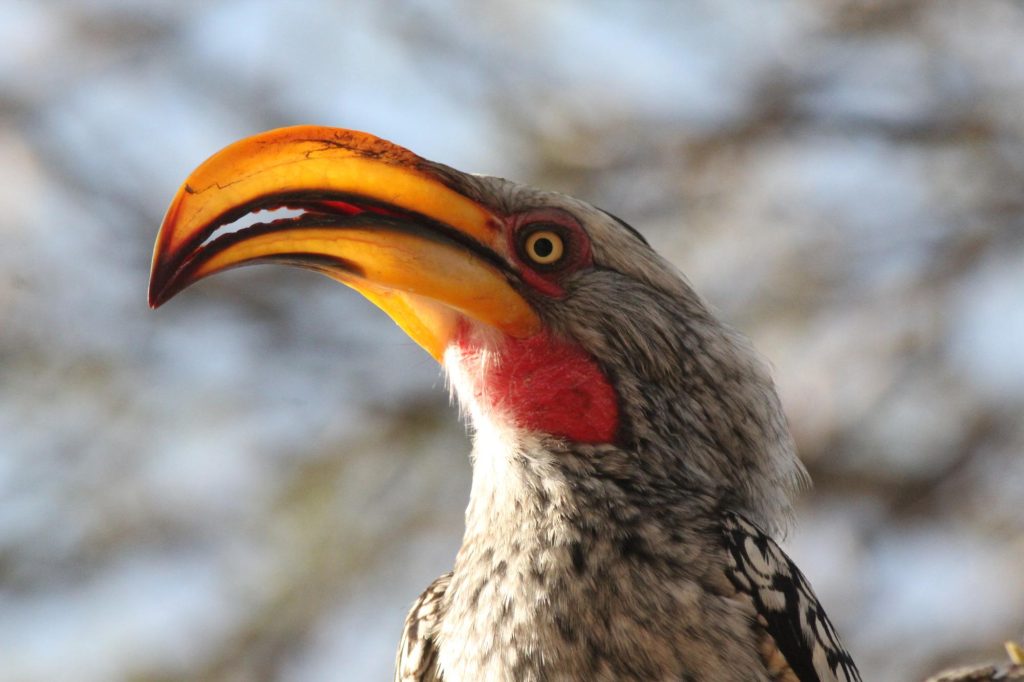
Beyond the lions, the reserve holds the full Kalahari cast, though at densities that reward patience rather than delivering volume.
Antelope include gemsbok, springbok, red hartebeest, eland and steenbok. Blue wildebeest occur on the pans.
Predators are the reason most people come: black-maned lion, cheetah, leopard, brown hyena, spotted hyena, bat-eared fox, Cape fox, caracal and aardwolf. Black-footed cat, one of the smallest and hardest to see cats in Africa, is present, and sharp-eyed visitors sometimes find them on the pans after dark.
Springhare, ground squirrel and porcupine are common at night.
Birdlife across the wider transfrontier park exceeds 170 species, and it is not unusual to record over thirty within a few kilometres of a campsite. Kori bustard, lappet-faced vulture, secretary bird, red-necked falcon and barn owl are all regularly seen.
Mabuasehube Pan. Permanent waterhole, lookout points over the basin, the most reliable game and the best camp views. The natural base for a first visit.
Mpayathutlwa Pan. The second permanent waterhole, around half an hour from Mabuasehube camp. Good game concentration and a strong alternative base.
Bosobogolo Pan. Southernmost of the three large pans on the main road, and the start of one of the 4×4 trails running through to Nossob in South Africa.
Access and the 4×4 Trails
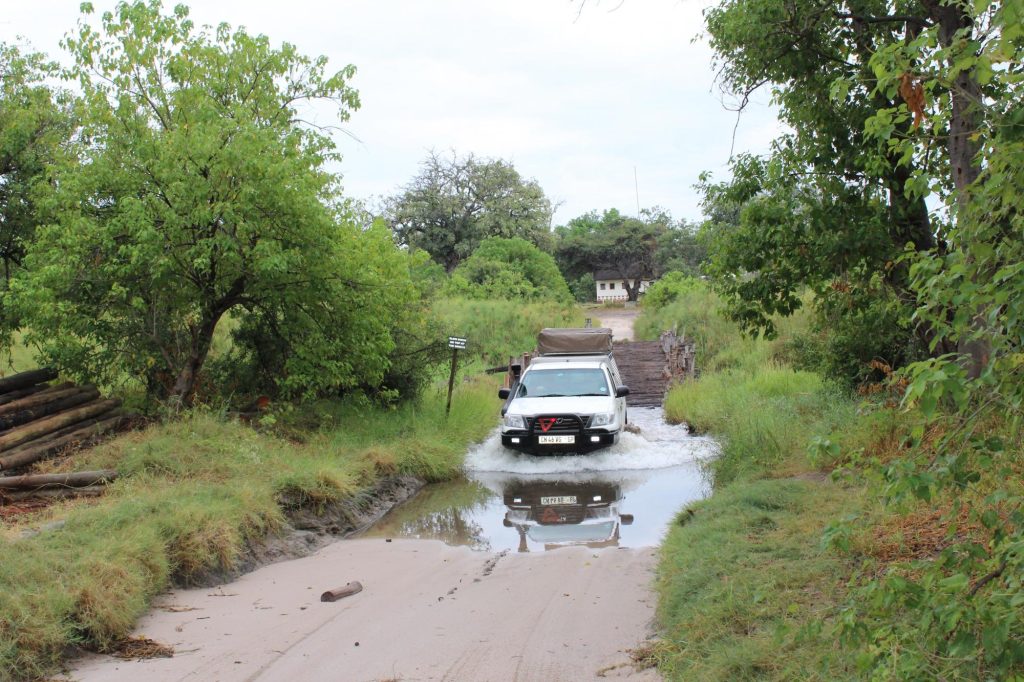
Getting in and out is the defining practical problem, and it is worth knowing about before committing.
Only four sandy tracks connect Mabuasehube to the rest of the Kgalagadi. The Mabua to Kaa track has become overgrown. Two others, the Mabuasehube and Bosobogolo 4×4 trails, run through to Nossob in South Africa. That leaves a single sandy route between Mabuasehube and Kaa, which runs outside the reserve along the northern boundary.
The trail from Bosobogolo campsite to Nossob covers around 170 kilometres and takes roughly six hours, on sand that becomes soft and deep as you near Nossob. It is 4×4 only, and Motopi campsite sits along the way for anyone breaking the run.
Entry is either through Mabuasehube Gate on the eastern boundary from the Botswana side, or via the trails from Nossob.
The last fuel is at Nossob if you are coming from the South African side, or Sekoma if entering from Botswana.
Camping in Mabuasehube
The campsites are the reason to come and they are genuinely exceptional in position and genuinely minimal in facility.
Individual sites are spread at discreet intervals around the larger pans, most on slight promontories giving almost unimpeded views. Several rate among the best-positioned campsites in southern Africa.
Facilities match those in the Central Kalahari: pit latrines and bush shower frames, with no running water and no electricity. You carry everything.
There are no park officials or staff at the camps themselves. Park staff are based at the gate on the eastern boundary, so once you are in, you are on your own.
Sites book out well ahead and must be reserved before arrival through the relevant operator, with park fees handled separately.
Entrance fees across the Kgalagadi run lower than Botswana’s flagship northern parks, though the remoteness means the real cost is fuel, time and preparation.
Book two consecutive nights at each pan rather than moving daily. The game comes to the waterhole on its own schedule, and the difference between a disappointing visit and an exceptional one is usually a second afternoon in the same chair.
Best Time to Visit Mabuasehube
The Kalahari calendar applies here as it does across the desert reserves.
The green season from December through April brings rain, fills the pans, greens the grass and draws game onto the open country. Thunderstorms building over the pans are part of what makes the lookout points memorable. Heat is considerable and tracks can become difficult.
The dry winter months from May to September concentrate whatever game remains at the two permanent waterholes, which makes viewing simpler while numbers overall are lower. Nights are properly cold, with visitors describing freezing mornings, and days are clear and mild.
Predator activity around the camps is reported year round, which is the constant that makes Mabuasehube worth the effort in any season.
Whatever the month, this is a self-sufficiency trip in a remote corner of a very large park, and the planning matters more than the timing.
Frequently Asked Questions About Mabuasehube Game Reserve
Where is Mabuasehube Game Reserve?
In the northeastern corner of the Kgalagadi Transfrontier Park, entirely within Botswana, covering roughly 2,000 square kilometres. It was originally a standalone game reserve, was absorbed into Botswana’s Gemsbok National Park, and then became part of the transfrontier park when Botswana and South Africa merged their adjoining parks under treaty. The combined park spans around 37,000 square kilometres and is completely unfenced.
Do lions really come into the campsites at Mabuasehube?
Regularly, and the reserve is known for it. Campsites are unfenced and visitors frequently report prides walking through camp and calling through the night from close range, with one widely repeated account describing nine lions spending three hours in a campsite. Leopard and brown hyena also visit. The standard rules apply without exception: stay in your tent or vehicle at night, keep all food sealed inside the vehicle and never step out to look.
How do you get to Mabuasehube?
Entry is through Mabuasehube Gate on the eastern boundary from the Botswana side, or via 4×4 trails from Nossob in South Africa. Only four sandy tracks connect the area to the rest of the Kgalagadi, one of which has become overgrown. The Bosobogolo to Nossob trail runs around 170 kilometres and takes about six hours on sand that turns soft and deep near Nossob. Last fuel is at Sekoma or Nossob.
What facilities are at Mabuasehube campsites?
Pit latrines and bush shower frames, matching Central Kalahari standards, with no running water and no electricity. You carry everything including all your water. Individual sites are spread around the larger pans, most on slight rises with almost unimpeded views, and several are considered among the best-positioned campsites in southern Africa. There are no park staff at the camps, with officials based at the eastern gate.
What wildlife lives in Mabuasehube?
Black-maned Kalahari lions are the headline species, alongside cheetah, leopard, brown hyena, spotted hyena, bat-eared fox, Cape fox, caracal, aardwolf and the elusive black-footed cat. Antelope include gemsbok, springbok, red hartebeest, eland, steenbok and blue wildebeest. Birdlife across the wider park exceeds 170 species, with kori bustard, lappet-faced vulture, secretary bird and red-necked falcon regularly recorded near campsites.
Is Mabuasehube suitable for a first Botswana safari?
Not really. It demands full self-sufficiency, genuine deep sand driving competence, advance campsite bookings and comfort with unfenced camping where lions walk through camp. Game densities are far below Chobe or Moremi. For travellers who want that combination of remoteness, predator proximity and outstanding campsites, it is unmatched, but a first-time visitor wanting reliable Big Five sightings should look north.
Booking Your Botswana Trip
The safari companies and tour operators listed on this website put trips like this together for a living and know which camps, guides and routes actually deliver. We are an independent guide to Botswana; we do not book or sell tours ourselves.
When you are ready, arrange your safari, tour or holiday with one of the recognised operators listed here. Tell them your dates and what matters most, and a real person, not a form, will handle the itinerary, park bookings and logistics for you.